The Importance of Women's Lower Back Support Belts


Intro
In today’s fast-paced world, the intersection of fashion and functionality has become more crucial than ever, especially when it comes to women’s health. Lower back pain is a common issue across numerous demographics, influencing everyday life and style choices. Women, in particular, often grapple with balancing the demands of their lifestyles—whether it be a long workday, childcare, or even just the pursuit of personal interests—with the physical toll that everyday activities can exert on their bodies.
Women's lower back support belts have emerged as not just a remedy for discomfort, but also as a stylish accessory. These belts, designed with thoughtful consideration for both health and aesthetics, are changing the game. They merge practicality with contemporary looks, ultimately giving women a chance to express themselves without sacrificing support. This article delves into their significance, from understanding the anatomy related to back pain to exploring the latest trends in sustainable practices in fashion. Let’s embark on a journey to understand the fabric and function of these essential garments.
Understanding Lower Back Pain
Lower back pain is a condition that affects millions of individuals globally. It's crucial to grasp its underlying causes and consequences, especially for women who often juggle multiple roles. Understanding the different aspects of lower back pain can provide insights into how support belts can alleviate discomfort and enhance one's lifestyle.
By dissecting the causes, one can appreciate the momentous role that lower back support belts play in both functionality and style. These belts don’t merely serve a practical purpose; they become a part of a woman’s wardrobe, encouraging comfort without sacrificing aesthetics.
Common Causes of Lower Back Pain
Muscle Strain
Muscle strain is one of the most common culprits behind lower back pain. It usually occurs when muscles or ligaments overstretch, which could result from heavy lifting, sudden movements, or even poor physical conditioning. Women, who often balance physical tasks and sitting for extended periods, may find themselves more susceptible.
The strength of muscle strain as a discussion point lies in its prevalence. Highlighting this issue not only educates readers about its causes but also points to how a lower back support belt can provide stabilization, reducing the risk of further strain. It’s not just about wearing a belt; it’s about actively preventing pain before it starts.
Key features of muscle strain include inability to stand up straight, pain when bending, or prolonged periods of discomfort. Thus, preventive measures, including support belts, can make a significant difference in daily life.
Posture Issues
Let’s not overlook posture issues, which are often the unsung heroes of back pain. Poor posture can stem from sitting incorrectly for long hours at a desk, improper footwear, or lifting heavy objects incorrectly. This struggle resonates particularly with women, who may often feel the pressure to appear polished while contending with discomfort from their bodies being in less-than-ideal positions.
The importance of addressing posture issues in this context can't be understated. A lower back support belt offers correction support, encouraging users to maintain an upright position. Good posture not only alleviates pain but also enhances overall confidence.
Unique aspects include the long-term damage poor posture can cause. Resulting inconveniences can include decreased mobility and persistent pain, requiring a critical view on how we interact with our environments.
Injuries
Injuries can arise from sports, accidents, or daily activities that may seem minor but lead to significant discomfort. A sprain incurred while playing a game or a sudden twist during a workout can create lingering issues that disrupt daily life. For many women, navigating children, work obligations, and personal activities can exacerbate these injuries.
The discussion around injuries shines a light on the importance of preventive care. Support belts can provide not only pain relief during recovery but may also enable continued participation in daily routines. They foster a balance between confronting immediate pain and avoiding prolonged setbacks.
Key characteristics include immediate discomfort and longer recovery times, underscoring the critical need for protective measures and the seamless integration of functionality into daily fashion.
The Impact on Daily Life
Physical Limitations
Living with lower back pain imposes physical limitations that persistently shadow daily activities. Simple tasks, like bending down or lifting groceries, can transform from mundane to laborious challenges. This can restrict mobility and create a cycle of discomfort leading to inactivity.
Understanding the ramifications of these physical limitations sheds light on why choosing the right support is essential. Women often face the dual challenge of maintaining their everyday roles while dealing with pain, making support belts an invaluable asset. They offer the freedom to engage without fear of exacerbation.
Key elements involve decreased activity levels and altered routines, prompting the necessity for supportive structures in one’s wardrobe.
Mental Health Effects
The mental health effects of living with chronic pain should not be overlooked. The toll it takes can lead to feelings of frustration, depression, or anxiety. For women, additional pressures from family, work, and social obligations can compound these feelings, making it vital to consider holistic support methods.
A belt that serves both a therapeutic and an aesthetic purpose can provide a boost in mood, presenting a sense of control over one’s body and surroundings.
Understanding this underlying connection can reshape the perspective on lower back support belts - they become not just a necessity but an integrated part of self-care.
Work Productivity
Finally, lower back pain directly affects work productivity. Pain can distract, reduce focus, and ultimately hamper performance. For many women, who often juggle multiple occupations, being sidelined by back pain is a significant concern.
Support belts not only alleviate discomfort but also foster increased efficiency at work. By mitigating pain, a support belt can empower women to approach their tasks with renewed vigor, promoting a more productive environment.
Unique attributes such as improved focus and lesser downtime reinforce the belt’s dual function as a tool for pain relief and a fashion statement.
Understanding lower back pain allows for a critical lens on how support belts can intersect with women’s lives, providing both style and substantial benefits.
What is a Lower Back Support Belt?
Understanding what a lower back support belt is can shed light on its significance in the lives of those who face discomfort in their back. These belts are specifically designed to provide stability to the lower back area, helping to alleviate pain and improve posture. In a world where many women juggle work, family, and personal health, these belts are much more than a simple accessory; they serve a critical role.
Design Features
Materials Used
Materials are at the heart of lower back support belts. Typically, these belts are crafted from stretchy, durable fabrics that offer both support and comfort. Common materials include neoprene and elastic, which provide the right mix of flexibility and firmness. This thoughtful composition allows for ease of movement while simultaneously compressing the abdominal and lower back areas, which can be a real game-changer for many. One standout characteristic is the moisture-wicking feature many materials have. This comes in handy during long periods of wear, particularly in active situations where sweat can become uncomfortable. Still, one must consider that some materials may not be skin-friendly for everyone, particularly those with sensitivities.
Adjustment Mechanisms
A key aspect of support belts is their adjustment mechanisms. Whether it be Velcro straps or metal clasps, these features are designed to ensure a snug yet comfortable fit. The ability to adjust the belt to one's specific desire is paramount, particularly for women whose body shapes can vary significantly. Proper adjustments can enhance the belt's overall effectiveness in relieving pain and providing support. However, finding the right fit can sometimes be tricky, and a poorly adjusted belt can lead to reduced effectiveness or even discomfort while wearing it.
Breathability and Comfort
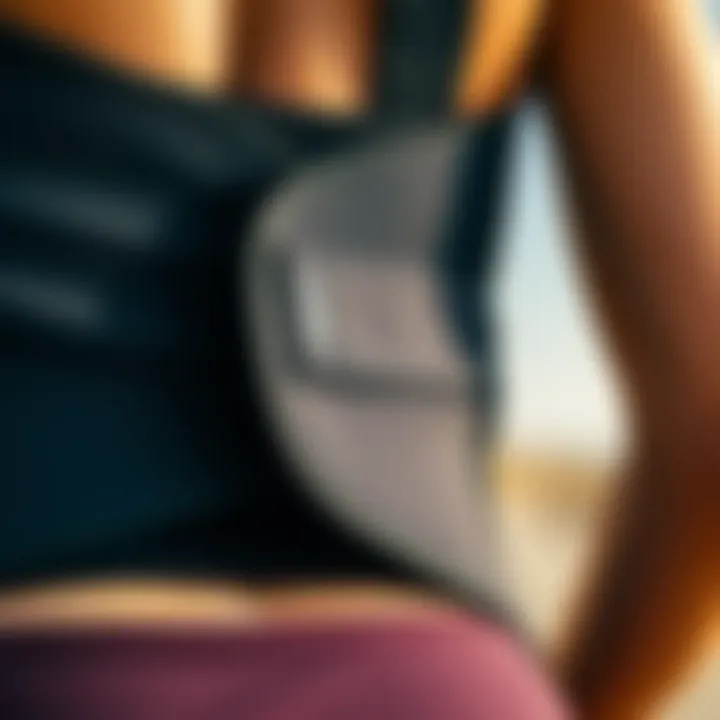
In discussing the breathability and comfort of support belts, one cannot stress enough how essential these qualities are. Many modern belts are designed with ventilated materials that promote airflow, preventing heat buildup and discomfort during extended wear. This makes them suitable for both daily activities and more strenuous physical tasks. The comfortable padding around the belted section is another noteworthy feature, ensuring that even after long hours, users can feel at ease. On the downside, thicker materials can sometimes restrict movement, a critical factor to keep in mind when choosing the right belt.
Purpose and Functionality
Pain Relief
Pain relief is often the primary reason women opt for lower back support belts. By providing compression to the affected area, these belts help to alleviate tension in muscles and support the spine. This characteristic is particularly vital for women with chronic pain conditions. It’s common to see individuals experiencing significant relief after wearing a belt for a short period. Still, it’s worth noting that while belts can aid in relief, they should not be viewed as a permanent solution. Long-term reliance may lead to muscle weakening, which can create an even greater issue in the long run.
Postural Support
Good posture can be a lot like that final ingredient in a well-cooked dish; it might not seem essential, but it makes a world of difference. Lower back support belts often include features designed to encourage proper alignment of the spine. This can be especially beneficial for women engaged in desk jobs or those who spend hours on their feet. A properly fitted belt not only supports the lower back but also serves as a reminder to maintain good posture during daily activities, drastically reducing the risk of injury. However, it’s important to be mindful—overreliance on such a tool can sometimes inhibit the body's natural posture correction mechanisms.
Prevention of Injuries
Injuries, especially in the lower back region, can have devastating effects on one’s quality of life. Lower back support belts play a dual role by not only providing immediate support but also helping in the prevention of further injuries. Women who frequently lift heavy objects—be it in a personal or professional scenario—can benefit greatly from the added layer of support that these belts provide. By stabilizing the lower back and supporting proper lifting techniques, the chances of a painful slip or sprain are significantly diminished. Yet, despite these benefits, one must remember that a belt is only part of the equation; proper lifting techniques and aware body mechanics remain crucial to preventing injuries.
The Intersection of Fashion and Function
The convergence of fashion and function plays a pivotal role in the design and adoption of women's lower back support belts. At the heart of this discussion lies the recognition that these belts are not merely health aids but can also serve as stylish accessories. This is crucial, especially when considering that many women are seeking solutions that do not compromise their personal style while addressing health needs.
Emphasizing the harmony between aesthetics and practicality enhances the appeal of back support belts. When a product successfully marries comfort with a chic appearance, it naturally attracts more users. As such, understanding the powerful narrative behind their design is of utmost importance.
Trendy Designs
Current Fashion Trends
Recent years have seen an evolution in the style of support belts, which now often feature elements aligned with contemporary fashion trends. This means that today's belts come in a variety of styles that echo what's on the runway. For instance, designers are integrating vibrant colors, innovative materials, and sophisticated patterns that align well with seasonal trends.
This shift ensures that support belts don't just disappear under clothing; instead, they are becoming statement pieces that can enhance an outfit. They may leverage fabrics that are not only functional but also breathable, ensuring comfort while maintaining style. A defining characteristic of current trends is their emphasis on versatility, allowing them to effortlessly transition from casual settings to formal occasions, making them a smart investment.
Color and Pattern Options
The range of color and pattern options available in lower back support belts adds another layer to their appeal. From muted earth tones that blend with a minimalist wardrobe to bold prints that make a statement, the choices are vast. This variety allows women to select a belt that complements their personal style, ensuring that the belt itself doesn’t clash with their outfit choices.
Moreover, these options can also reflect personal moods and trends, with floral designs for spring or darker shades for winter. Ultimately, the ability to choose colors and patterns contributes significantly to the overall acceptance of these belts in everyday fashion.
Integration with Everyday Wear
The seamless integration of support belts into everyday wear is a factor that greatly enhances their desirability. Modern support belts can often be worn under clothing without being noticeable, yet designed in such a way that they can also be showcased as part of an outfit. This has created an opportunity for women to incorporate functionality into their daily wardrobes without sacrificing style.
For instance, some belts can be paired with activewear during workouts but can equally look stylish when layered under a tailored jacket. This flexibility of use broadens their overall utility, transforming the perception of support belts into practical fashion choices rather than purely medical aids.
Celebrity Influence on Acceptance
Public Figures Embracing Support Wear
The influence of public figures, particularly celebrities, in highlighting the utility and fashion of support belts cannot be underestimated. High-profile endorsements can significantly alter public perception, shifting it from a niche health accessory to a celebrated fashion choice. When a notable star is seen wearing a stylish back support belt, it signals to fans that such products can be incorporated into their daily lives without fear of social stigma.
This visibility plays a huge role in normalizing the idea of wearing support belts not just for health reasons but as a fashionable choice as well.
Social Media Impact
The power of social media in shaping public acceptance of fashion items cannot be overstated. Influencers showcasing their outfits on platforms like Instagram or TikTok can lead to viral trends, placing the spotlight on lower back support belts. As these figures post styling tips or before-and-after wear demonstrations, followers begin to view support belts as more than just a functional item, but rather as a style accessory.
This increased visibility opens the door for discussions around comfort and health while tying it into fashion lifestyle, ultimately bridging the gap between appearance and practicality for wider audiences.
Shifting Perceptions of Support Belts
Over time, the perception of support belts has undergone a significant transformation. No longer are they seen solely as necessary tools for physical relief; they are now recognized as multifaceted fashion items. This shift highlights a broader societal tendency to embrace products that combine utility with aesthetics. When women find an accessory that serves a dual purpose—supporting their health while also looking sharp—they are far more likely to adopt it into their everyday routine.
As popular culture continues to evolve, so too will the fashions surrounding lower back support belts, marking a transition from a past of stigma to a future where health and style walk hand in hand.
Debunking the Myths
When it comes to lower back support belts, a cloud of misconceptions often hovers above the realities of their use. Understanding these myths is crucial. The narratives surrounding support belts can significantly deter potential users from experiencing the true benefits of these garments. In this section, we set the record straight on commonly held beliefs, aiming to dispel fears and misconceptions that often dissuade women from utilizing these practical and supportive tools. By shedding light on these notions, we can help more people embrace the blend of functionality and fashion without any undue apprehensions.
Myth One: They Make You Dependent
One of the most persistent myths is that wearing a lower back support belt can create a dependency on it, leading to weakened back muscles over time. This belief stems from the notion that reliance on external support will prevent the body from developing its strength and reinforcing its natural support systems. However, this perspective is not entirely accurate.
Lower back support belts are designed to provide temporary relief and stability, especially during physically demanding activities. The reality is that when used correctly, they can aid in the healing process and enhance posture without promoting long-term dependency. In fact, many healthcare professionals advocate using them alongside strengthening exercises, advising users to gradually build their core muscles while benefiting from the support during the recovery phase.
"Using a support belt helps in pain management while you work on strength training. It’s a partnership, not a crutch."
Notably, it’s vital to strike a balance. Over-relying on support belts, as with any supportive tool, might influence habits negatively. But this isn't the belt's fault; it's how an individual chooses to incorporate the device into their lifestyle. Finding a healthy relationship with the support they provide can empower women, allowing them to tackle daily tasks with greater ease.
Myth Two: Only for Pregnant Women
Another common misconception is that lower back support belts are exclusively meant for pregnant women. While prenatal support belts do cater specifically to the unique physical challenges many expectant mothers face, this is not the full picture. Women of all walks of life can experience lower back pain, which can stem from a variety of factors—ranging from poor posture, to lifting heavy objects at work, to the demands of a busy lifestyle.
Support belts can be broadly beneficial, addressing issues related to figure whether engaged in physical labor, maintaining household chores, or simply dealing with the stresses of everyday life. They help provide extra stability and lessen the strain on already tender areas of the back, making them valuable for numerous women, not just those carrying a child.
Incorporating support into one’s routine can be easy and stylish. With advancements in design, belts are available in various styles and colors, making it possible to blend functionality with fashion effortlessly. This broader application of support belts enhances not just health but also the aesthetic experience of the wearer, providing access to supportive wear without compromising on style.


To summarize, understanding the truths behind these myths allows women to make informed decisions about their health and comfort. By addressing concerns regarding dependency and exclusivity, we open the floor for a broader conversation about the positive aspects of incorporating lower back support belts into various lifestyles.
Types of Lower Back Support Belts
Understanding the different types of lower back support belts is crucial for anyone seeking to blend health benefits with style. Each type has its own unique features tailored for various needs and lifestyles. here, we explore two main categories: elastic support belts and posture correcting belts. Knowing how these belts function and their best applications can significantly contribute to a woman’s daily life, providing both relief and a touch of flair.
Elastic Support Belts
Key Features
Elastic support belts are all about flexibility. These belts typically feature a combination of stretchy band material that allows for breathability and comfort. A key characteristic that sets these belts apart is their adjustable straps, enabling users to customize the fit for their body shape. What's more, many elastic support belts come with additional layers of cushioning, offering just the right amount of support without feeling restrictive. This makes them an appealing choice for many women due to their balance of comfort and efficacy in pain relief.
One unique feature of elastic support belts is their lightweight nature. In fashion, lighter options tend to be easier to wear throughout the day, matching nicely with various outfits. However, depending on the quality, some cheaper options may wear out faster than expected, dimming their long-term effectiveness.
Best Use Cases
Elastic support belts shine in a variety of scenarios. They are often favored by individuals needing extra support during intermittent activities like gardening or even clerical work. The stability they provide is not just helpful during physical labor but extends to long hours of sitting at a desk. The light-weight design ensures they can be worn discreetly under regular clothing without fuss.
However, there are some considerations to keep in mind. They might not be the preferred choice for extremely heavy lifting or rigorous workouts. As such, they are ideal for those looking for some support without the need for something overly structured.
Posture Correcting Belts
Benefits
Posture correcting belts are designed specifically to tackle slouching and other alignment issues. One of the main benefits is that they promote better spinal alignment, which not only alleviates back pain but also improves overall confidence in one's demeanor. This characteristic is especially beneficial for women who spend long hours at desks or engage in activities leading to poor posture.
Another unique aspect to consider is the motivational edge these belts provide. Wearing one can serve as a constant reminder to maintain proper posture, which can gradually reinforce healthier habits both at work and at home. A major advantage here is the dual benefit of physical support while also encouraging behavioral change.
Target Audience
The target audience for posture correcting belts spans a diverse range. Many university students and professionals in sedentary jobs find these belts indispensable due to long hours spent hunched over laptops or books. Furthermore, older adults looking to maintain mobility and younger women aiming for early intervention in posture are also key users.
However, caution should be taken. Wearing these belts for extended periods can lead to dependency or irritation, making it essential for users to find a balance between usage and allowing natural movement. Moreover, choosing the right size and style is critical to maximize the benefits without compromising comfort.
In summary, both elastic support belts and posture correcting belts offer distinct advantages, tailored for different audiences and needs. Understanding the nuances of these types enriches one’s ability to select a belt that not only aids functionality but also gracefully fits into the tapestry of everyday fashion.
Selecting the Right Support Belt
Finding the right lower back support belt is not just a matter of grabbing the first product off the shelf. It's an essential step in ensuring effective support while also keeping style in mind. A good support belt can make all the difference in managing pain or discomfort, offering you both form and function. In this section, we will delve into the importance of sizing, the role of professionals in selecting the correct belt, and common pitfalls that many encounter in this journey.
Sizing and Fit
Measuring for the Perfect Fit
When it comes to lower back support belts, measuring for the perfect fit is like trying on a new pair of shoes—if it doesn’t fit right, it won’t feel good. Getting the correct measurements not only helps ensure comfort but also maximizes the belt’s effectiveness. Most belts come with sizing charts, but it is still advisable to take personal measurements. A tape measure snugged around the waist (not too tight, not too loose) will help you find your specific size.
In addition, ensure that the measurement aligns with the belt's size range. This attention to detail is critical because an ill-fitting belt can do more harm than good. If it's too tight, it might restrict movement or worsen discomfort. Conversely, a loose belt won’t provide adequate support. This process is a beneficial choice because it sets you up for a more positive experience, both in pain management and fashion aesthetics.
Common Sizing Mistakes
Despite the clarity of guidelines, many make common sizing mistakes such as assuming a size based solely on pant sizes or even neglecting to account for body shape variations. For instance, if you're curvier, a standard size may not accommodate your figure comfortably. This oversight can lead to discomfort and ineffective support, which defeats the purpose of wearing a support belt in the first place.
Another common blunder involves not checking the belt’s adjustability. Some belts have features like velcro straps for customizable fit, while others are non-adjustable. Failing to consider this aspect could mean that the only option is to return or replace the belt, thereby wasting time and money. By being aware of these potential pitfalls, you can make a decision that blends comfort, support, and style seamlessly.
Consulting a Professional
Physical Therapists
Seeking advice from physical therapists can be a game changer when it comes to selecting the right support belt. Therapists understand the mechanics of the body and can provide tailored advice that factors in your unique circumstances. They have a solid grasp of muscle groups that need support and how different belts may affect your posture and mobility. Getting professional input helps to narrow down options to those most likely to relieve your specific challenges.
The value of this expertise cannot be overstated, especially since therapists often consider additional factors such as your activity level, existing injuries, and lifestyle needs. While consultations may seem like an extra step, they are beneficial as they drastically increase the likelihood of choosing a belt that aligns with both your functional needs and overall well-being.
Chiropractors
Chiropractors can also play an important role in your search for the perfect support belt. Their focus on spinal alignment makes them well-equipped to recommend belts that not only support your lower back but can also help maintain a healthy posture. They might suggest specific brands or models based on their experiences with clients, which could save you trial-and-error time.
The expertise of chiropractors lies in understanding how your posture influences the overall function of your body. They can point out features of a belt that you might overlook, such as lumbar support zones or the impact of materials on your skin. A consultation might seem redundant to some, but considering it could lead to an impressive improvement in comfort and effectiveness as you navigate the often tricky world of lower back support solutions.
"Selecting the right back support belt is not just about relief; it's about style, comfort, and empowerment in facing daily challenges."
In summary, selecting the right support belt incorporates a thoughtful process, ensuring that you're making an informed choice. Understanding the nuances of sizing, drawing on professional expertise, and avoiding common pitfalls can provide not just a functional solution but also an expression of your personal style.
Sustainability in Lower Back Support Belts
As consumers grow more conscious about the impact of their purchases, sustainability has emerged as a pivotal topic in various industries, including the design and manufacturing of lower back support belts for women. The key elements of sustainability—environmental responsibility, ethical considerations, and durability—create a framework for understanding how these support belts can have a positive effect on both health and the planet.
Eco-Friendly Materials
Biodegradable Fabrics
Biodegradable fabrics represent a significant shift towards more responsible manufacturing practices in the production of lower back support belts. These materials break down naturally over time, thereby minimizing their impact on landfill waste. A key characteristic of biodegradable fabrics is their composition from natural fibers such as cotton, hemp, or bamboo, which not only support sustainability but also provide comfort and breathability to users.
With a growing demand for eco-conscious products, the use of biodegradable fabrics in support belts is becoming a preferred option. One unique feature of these materials is that they decompose without releasing harmful toxins into the environment, making them an ideal choice for women who value health both personally and environmentally. However, it’s worth mentioning that while biodegradable options offer several advantages, their availability can sometimes be limited, which might affect the accessibility for some consumers.
Recycled Components
The use of recycled components in lower back support belts further bolsters the movement towards sustainability. By incorporating materials that have been repurposed, manufacturers lower the demand for new resources, thus conserving energy and reducing waste. A significant characteristic of recycled components is that they often utilize plastics or fabrics discarded from previous production cycles, transforming wasted material into something functional.
Recycled components provide not only a way to reduce environmental impact but also open new design avenues for fashion-forward women. The unique aspect here is that these components can maintain high levels of durability and support, proving that sustainability does not compromise quality. Nonetheless, some consumers may be skeptical about the durability of recycled materials, making it crucial for manufacturers to ensure quality alongside sustainability in their offerings.


Ethical Manufacturing Practices
Fair Trade Standards
Adherence to Fair Trade Standards is vital for enhancing the sustainability of lower back support belts. These standards ensure that the workers involved in the production process receive fair wages and work under decent conditions. A distinguishing characteristic of Fair Trade-certified products is their commitment to social responsibility, which helps foster better communities.
For consumers, this becomes a beneficial aspect as it assures them their support belts are made ethically, hence nurturing local economies. The unique benefit of choosing Fair Trade products is that it directly combats exploitation in fashion manufacturing. A potential drawback is the often higher price point associated with these products, which calls on consumers to weigh the value of sustainable and ethical sourcing against affordability.
Labor Practices
Labor practices can significantly influence the overall sustainability of lower back support belts. Favoring companies that prioritize good labor practices means supporting healthy and safe working environments for employees. Key characteristics of ethical labor practices include regular oversight, transparency in supply chains, and fair treatment of workers.
This focus on humane working conditions serves as a beneficial choice for consumers who are increasingly aware of where their products come from. One unique feature of solid labor practices is the impact they can have on the morale and productivity of workers, which in turn can lead to higher quality products. Nevertheless, just like with Fair Trade standards, there may be higher costs involved, raising questions regarding the balance between ethical production and consumer affordability.
Supporting sustainability in lower back support belts not only enhances health and comfort but also contributes to a larger goal of environmental and social responsibility.
Sustainability, as a whole, aligns perfectly with the growing trend of conscious consumerism, where buyers are not only looking for function but are also increasingly valuing the story behind the products they choose.
Care and Maintenance of Support Belts
Proper care and maintenance of lower back support belts is essential for ensuring that they continue to function effectively while retaining their appearance over time. Like many fashion accessories, these belts require diligence to maintain their original efficacy, and a little attention goes a long way in preventing wear and tear. Let's delve into the specific practices involved in keeping these supportive garments in top-notch condition, thus maximizing both their functionality and longevity.
Washing Instructions
Machine Washing vs. Hand Washing
When it comes to cleaning lower back support belts, the method of washing can greatly impact their lifespan and effectiveness. In general, machine washing is often seen as the quicker option—just toss it in, set the program, and be done; it's beneficial for those with busy schedules. However, while machine washing may be efficient, it can be a bit harsh on delicate fabrics. This method often leads to fraying edges or loss of elasticity over time due to the vigorous movement in the drum.
Drying Techniques
The way a lower back support belt is dried after washing is another pivotal aspect of maintenance. Air drying is generally recommended as it helps prevent damage caused by heat from dryers, which can warp the fabric and reduce elasticity. Hanging the belt on a rack or laying it flat allows it to dry naturally. Specifically, avoiding direct sunlight is critical, as harsh UV rays can fade colors and weaken fibers over time. In contrast, using a tumble dryer might seem like a time-saving option, but it is often a risky choice. It’s fast but typically detrimental to the fabric’s integrity. The unique feature of this method is its ability to dry quickly, but it's a tightrope walk between convenience and potential damage. Hence, embracing air drying is often the best path for maintaining the belt's health over time.
Storage Recommendations
Avoiding Damage
Storing a lower back support belt properly is equally as important as washing it. Tossing it into a crowded drawer or hanging it haphazardly can lead to creases and deformities. The key characteristic of effective storage is that it reduces the risk of damage while maintaining its supportive structure. Rolling the belt instead of folding it can prevent sharp creases, which could compromise its effectiveness when worn. Moreover, storing it in a cool, dry space helps to avoid mold or mildew that can develop in humid environments. This thoughtful approach to storage prevents premature degradation, ensuring that the belt remains as reliable as the day it was purchased.
Prolonging Lifespan
To truly maximize the lifespan of a lower back support belt, it's important to take the time to focus on regular checks for wear and tear. The old adage, "a stitch in time saves nine," rings true. Identifying minor issues such as loose threads or minor fraying can allow for quick repairs before they become a larger problem. Using a soft cloth to dust the belt regularly can keep it looking fresh. Some belts come equipped with removable parts; these can be replaced as needed to extend the overall life of the belt. The unique feature here is the proactive approach to maintenance, which not only saves money in the long run but also ensures that one always has reliable support when needed.
In the end, a commitment to care and maintenance doesn't just enhance the belt's lifespan; it also fosters peace of mind for the wearer, knowing that they’re equipped with a dependable and durable accessory when it counts.
To learn more about fabric care, consider looking at resources from Good Housekeeping or Mayo Clinic for comprehensive tips on garment care.
Practical Scenarios for Usage
Understanding the practical scenarios where women's lower back support belts shine is essential for anyone considering their usage. These belts can provide vital support and relief, particularly in situations where the lower back is susceptible to strain. Their relevance stretches across multiple contexts, from significant life phases like pregnancy to routine workplace environments. Having a clear grasp of when and how to utilize these belts can significantly enhance one's quality of life while also adding an element of style to daily wear.
During Pregnancy
Pregnancy can be a beautiful journey, but it often comes with the baggage of physical discomfort, especially in the lower back region. As the body adapts to accommodate a growing baby, weight distribution shifts, frequently leading to strain. Support belts designed for pregnant women serve multiple purposes: they offer stability, reduce strain, and promote proper posture.
A lower back support belt can be a game changer in this phase. With a properly fitted belt, women are likely to experience a notable decrease in discomfort, enabling them to engage more fully in their daily activities without feeling weighed down by discomfort. Some benefits of wearing a lower back support belt during pregnancy include:
- Enhanced Posture: These belts can encourage better spine alignment, reducing the chances of posture-related pains.
- Pain Relief: Many women report noticeable relief from lower back pain when using support belts, making it easier to navigate through the changes their bodies are undergoing.
- Increased Mobility: As a woman’s belly grows, movement can become cumbersome. A good support belt can help ease mobility issues, allowing for more fluid movement.
"The journey of pregnancy is as much about comfort as it is about creating life. The right support can make all the difference."
In the Workplace
Workplace comfort plays an unstoppable role in productivity, yet many jobs entail long hours of sitting or standing, leading to back pain. Support belts can bridge the gap between functionality and fashion within professional settings. A discreet, sleek design can integrate seamlessly into work attire, ensuring that functionality doesn't come at the expense of style.
Incorporating a lower back support belt while at work can offer:
- Durability for Long Hours: For those who find themselves sitting for extended periods or lifting heavy objects, these belts provide that much-needed cushion.
- Discreet Coverage: Many support belts are created with a low profile, making it easier to wear under clothing without drawing attention, thus reaffirming the balance between fashion and function.
- Support and Confidence: Knowing that your back is well-supported can foster confidence, allowing individuals to focus more on their tasks rather than discomfort.
Women’s lower back support belts are, therefore, not only practical solutions to real physical concerns but also emerging fashion statements that can enhance any wardrobe. Whether you're balancing a burgeoning pregnancy or grinding away at the office, the strategic use of these belts can lead to immense benefits, encouraging women to stride through their day with ease and elegance.
As society continuously evolves, recognizing how these belts can coexist within the realm of health and style only strengthens their value.
Closure
As we draw this exploration to a close, the role of women's lower back support belts emerges as a significant blend of fashion and functionality. They not only address a common health issue—lower back pain—but also adapt to the evolving landscape of style and personal expression. The discussion highlights their value in fostering postural integrity, offering much-needed relief, and preventing injuries while keeping up with trendy designs.
In a world where comfort often collides with style, these support belts provide a rare solution that caters to both realms. Women from all walks of life can benefit from their use, whether they are fashion enthusiasts seeking a versatile accessory or individuals requiring practical solutions for physical discomfort. Considerations around sizing, materials, and environmental impact further underscore the importance of making informed choices in this category.
"Fashion is about dressing according to what’s fashionable. Style is more about being yourself." - Oscar de la Renta
This article serves as a reminder that while it’s crucial to address physical issues like back pain, it’s equally important to do so in a manner that aligns with one's personal style. Choosing a lower back support belt thus becomes not just a health decision but a reflection of individuality and self-care. As public perceptions shift and more women embrace these supports, potential wearers are encouraged to regard these belts as an essential component of their wardrobe, merging health needs with fashion aspirations.
Summary of Key Points
- Lower back support belts are vital for managing lower back pain and support overall posture.
- They come in various designs, ensuring alignment with current fashion trends and personal style preferences.
- Understanding the distinctions among different types of belts can help in selecting the most suitable option for individual needs.
- Myth-busting reveals that these belts are not solely for specific groups, such as pregnant women, but for anyone needing support.
- Sustainability is a growing concern, with eco-friendly options increasingly available in the market.
Final Thoughts on Lower Back Support Belts
Embracing the use of lower back support belts should be seen as a conscious decision towards health and fashion. Rather than perceiving them as merely utilitarian, they can be integrated into one’s daily attire, harmonizing comfort with style. It’s a step towards not just alleviating discomfort but also making a statement in how one approaches both fashion and daily activities.
As the stigma around support wear dissipates with the influence of public figures and changing industry norms, we encourage consumers to explore beyond typical trends and embrace products that enhance well-being. The journey of finding the right balance between health and style begins with informed choices and a willingness to invest in oneself.