Exploring the Art of Tie Dye Photo Backdrops
Intro
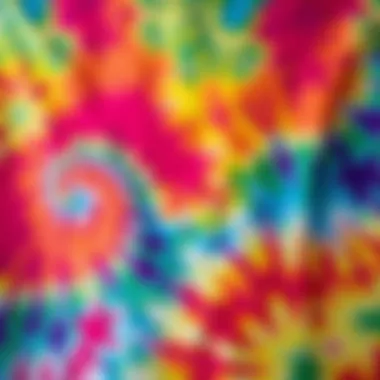
In the vibrant world of photography, the backdrop can make or break a shot. Among the various styles, tie dye photo backdrops have emerged as a favorite, breathing life and personality into still images. The appeal lies not just in their kaleidoscopic patterns but also in the deeper narratives each swirl of color can convey. Whether it's a whimsical personal photo shoot or a professional branding campaign, a tie dye backdrop can transform the mundane into the extraordinary.
As we explore the significance of these artistic backgrounds, we'll delve into their aesthetic values, practical uses, and the techniques that allow enthusiasts and professionals alike to create captivating atmospheres. Not to mention, the growing trend toward personalized photography setups speaks volumes about how we connect to artistry in our visual culture today.
Understanding this art form is not just for photographers; it holds value for fashion aficionados and designers who seek to enhance their artistic expression through unique visuals. In this piece, we will uncover how tie dye motifs serve not only as a reflection of individual style but also as a fascinating visual narrative that resonates with a wide audience.
Now let's delve into the latest fashion trends that are shaping this vibrant art form.
Intro to Tie Dye Photo Backdrops
The Significance of Visual Aesthetics
Visual aesthetics are crucial in conveying emotions and themes. Tie dye provides an organic blend of color and texture that can transform any ordinary photo into a piece of art. By having a vivid, attention-grabbing backdrop, photographers can evoke a sense of spontaneity and joy. It's like adding that cherry on top of an already delicious sundae.
When capturing images, the backdrop should resonate with the subject. A vibrant tie dye backdrop can elevate a simple portrait into a celebration of color and personality. These patterns can complement any photographer's themes, whether that be bohemian, modern, or even retro. Moreover, since no two tie dye pieces are alike, each backdrop carries its own unique flair.
Key Benefits of tie dye backdrops include:
- Versatility: Suitable for a variety of themes and events.
- Customization: Tailored to individual tastes, making them perfect for personalized shoots.
- Unique Patterns: Each creation stands out, offering one-of-a-kind visuals.
Cultural Context of Tie Dye
The cultural significance of tie dye traces back to various traditions across the globe, where this art form has been used not just for decoration but as a means of community identity and expression. From the ancient techniques of Asia, which inform the Japanese Shibori, to African tribal patterns, tie dye has storied roots. It hasn't merely survived the tide of fashion; it has adapted and absorbed influences from different cultures. Understanding this backdrop not only gives depth to the art form but also helps photographers appreciate the layers of meaning tied to their visual choices.
It readily springs to mind that tie dye's resurgence in contemporary contexts—a move to reclaim creativity in a world often dictated by uniformity—speaks volumes about cultural resilience. Thoughtfully designed tie dye techniques can bridge connections between different communities and foster dialogue through art. This philopsophy often inspires photographers to delve deeper into their own narratives and evoke a richer storytelling experience.
"Art is not what you see, but what you make others see." – Edgar Degas
In summary, tie dye photo backdrops not only serve as a visual treat but also enrich the photographer’s toolkit with cultural depth, making capturing moments more meaningful. These backdrops contribute to personal storytelling, while their vast historical significance adds layers of complexity to any shoot.
Fundamentals of Tie Dye Techniques
Understanding the Fundamentals of Tie Dye Techniques is pivotal for anyone delving into the captivating world of tie dye photo backdrops. Tie dyeing isn’t just a method of dye application; it’s a rich canvas of expression that integrates artistry with fabric. By mastering these techniques, photographers and artists can elevate their backdrops from mere backgrounds to compelling slices of art that enhance the storytelling in their visuals. The joy of creating unique patterns that can’t be replicated makes this approach incredibly appealing.
Basic Methods of Tie Dye
Spiral Technique
The Spiral Technique is one of the most recognized methods in tie dyeing. This technique involves twisting the fabric at its center and securing it with rubber bands. The spiraled design, often leading to a vibrant circular pattern, appeals to many due to its dynamic and captivating look. Its prominence in the tie dye community can be attributed to its straightforward application, making it accessible for beginners and still enjoyable for seasoned pros.
A standout feature of the Spiral Technique is the variety in color combination it offers. With strategic dye placement, artists can create mesmerizing whirlpools of color that draw the viewer's eye. However, one downside to consider is that the technique requires a bit of practice to master the tension while binding, as uneven pulling can lead to unwanted results. It’s a fine balance, but when done right, it pays off.
Batik Method
The Batik Method stands apart for its incorporation of wax resist dyeing. Artists apply melted wax to certain areas of the fabric prior to dyeing, forming intricate designs that maintain their original color even after the dye bath. This ancient technique resonates with those seeking to create elaborate and symbolic works, often drawing from traditions seen in Southeast Asia and Africa.
This method's complexity can be both its charm and its challenge. While it can produce stunning visual outcomes, the process is more intensive than simpler styles, requiring patience and precision. Crafting a batik piece often results in a rich narrative woven into the fabric, allowing for a deeper connection in photography. The wax application may sometimes limit the vibrant saturation achievable, but the unique aesthetic it offers is worth the effort.
Crinkle Technique
An intriguing alternative is the Crinkle Technique, which involves crumpling the fabric before applying dye. This creates a textured, almost organic feel that adds dimension to any backdrop. The unpredictability of the pattern makes every crinkle-ized piece one of a kind — what's not to love?
The beauty of this method lies in its carefree nature. There are no precise lines or patterns to adhere to, inviting spontaneity in the creation process. On the flip side, the irregularity can also be a challenge for those who prefer clear, structured designs. Color placement becomes essential, as some parts may absorb more dye depending on how tightly issues are crumpled. The result is often an ethereal backdrop bursting with color.
Advanced Tie Dye Techniques
Shibori
Shibori, a time-honored Japanese technique, extends the possibilities of tie dye into artful realms. This method involves various binding, twisting, and folding techniques, resulting in intricate and layered designs that signify grandeur. Each piece can tell different stories based purely on the folding method used.

The beauty of Shibori is its versatility. It can range from subtle ombre fades to bold contrasts, allowing creative flexibility that draws many artists' interests. However, mastering this requires a keen eye for detail and a lot of practice, as small differences can lead to dramatically different results. It's a technique that challenges artistry while rewarding the practitioner with captivating outcomes.
Ombre Effect
The Ombre Effect captures the visual transition of color from light to dark in a seamless blend. This contemporary look has garnered popularity for photography backdrops because of its elegant gradient effect, adding depth without overwhelming other visual elements in a composition. The gradual shift in color can evoke emotions and set the overall mood beautifully.
While the ombre technique shines in aesthetics, it may present challenges with dye selection and application timing. Achieving a smooth gradient requires experience with dye absorption rates. Yet, it remains a well-loved choice for its subtle yet impactful appearance in photography.
Tie and Fold Patterns
Lastly, the Tie and Fold Patterns method employs various folding and tying techniques to create more intricate designs. This method can range from simple knots to elaborate folds, transforming basic fabric into a masterpiece of geometry and color.
The richness of this technique lies in its potential for personalization. Photographers can play with shapes and patterns, each carrying a unique flair. However, due to the intricate nature, it can be time-consuming and requires careful execution to avoid unsatisfactory results. But for those willing to invest the effort, the outcomes can be stunning and richly textured.
"The art of tie dye is not just about color; it's about storytelling through fabric. Choosing the right technique can turn a simple backdrop into a vivid narrative."
Mastering these techniques, whether simple or advanced, opens up a treasure trove of possibilities for tie dye backdrops. Knowing the strengths and challenges of each method will equip anyone looking to enhance their photography with striking visual elements.
Choosing the Right Materials
Choosing the right materials for tie dye photo backdrops is crucial. This decision impacts not only the appearance and durability of the backdrop but also the ease of use and effectiveness in photography. Material selection plays a pivotal role in determining the overall aesthetic, handling of dyes, and the final representation in photographs. Equipping oneself with knowledge about fabric types and dye materials is fundamental to achieving the desired results while dodging potential mishaps in design.
Fabric Selection for Backdrops
Cotton vs. Synthetic Fibers
When it comes to fabric choice for tie dye, cotton often reigns supreme. Its natural fibers are forgiving; they absorb dyes like a sponge soaking up water. This results in vivid colors that pop in photographs. Additionally, cotton drapes beautifully and is relatively easy to work with, making it a favorite for both beginners and seasoned designers.
On the other hand, synthetic fibers like polyester might seem convenient due to their durability. However, they present a bit of a learning curve with dyes, as they don’t absorb colors in the same way that cotton does. These can result in faded or washed-out designs. When faced with the choice of Cotton or Synthetic, the characteristics can influence whether your design will flourish or fall flat.
Weight Considerations
Weight matters when choosing fabric for backdrops. Heavier fabrics can create a more luxurious look, providing a sense of depth in photography. But let's not forget the practical side; heavier materials can be cumbersome to work with. They may require more effort to hang and may take longer to dry after dyeing.
Lighter fabrics, like muslin, allow for easier handling and unique draping effects. The trade-off is that they can be more prone to wrinkling and may not provide as rich of a color saturation as heavier materials. Knowing the weight characteristic can let photographers decide what suits their shooting environment best.
Colorfastness
Colorfastness is critical when you want your vibrant designs to maintain their shine over time. This term refers to the fabric’s ability to hold onto dye without fading or bleeding. Fabrics with good colorfastness ensure that your backdrop stays as colorful as it was after the dyeing process, even after multiple washes.
Choosing fabrics with high colorfastness can save headaches later. A backdrop that bleeds colors can ruin a perfectly captured moment, so it’s worth investigating the dye-resistant features of your fabric selection.
Dyes and Chemical Choices
Natural Dyes
Natural dyes appeal for their eco-friendliness and unique hues. These dyes are made from plant, animal, or mineral sources, offering a range of shades unavailable in synthetic options. Natural dyes can encourage a softer look, giving a slight vintage feel that many photographers adore. However, the color range may not be as wide as synthetic dyes, and consistency can be an issue. If you are aiming for stand-out colors that are vibrant and uniform, natural may make that a challenge. While it certainly seems to represent a more ethical choice, they might just not deliver the punch you are looking for.
Reactive Dyes
Reactive dyes have gained popularity because of their strong bonding properties with fabric fibers. This means the colors are less likely to fade away or wash out compared to other dyes. They provide bright, intense colors ideal for dramatic and standout photography backdrops. However, they can require careful handling and additional chemicals to fix the dye, which could intimidate beginners.
Choosing reactive dyes often results in brilliant outcomes if one is ready for a more involved approach in their creation process.
Safety Considerations
Safety can’t be overlooked in the realm of dyeing fabrics. Certain chemicals can pose health risks if not handled properly. When selecting materials and dyes, it's important to consider the safety aspect. This means checking the presence of any harmful substances and ensuring that all dyeing methods are performed in well-ventilated spaces. Moreover, using non-toxic dyes can keep your workspace safe and ensure peace of mind while creating.
In short, considering the safety aspect is not just about compliance; it’s about fostering a healthy and sustainable creative environment.
Designing Your Tie Dye Backdrop
Creating a tie dye backdrop is not merely about splashing colors on fabric; it is an art form that requires thought and intention. The design serves as a canvas for expression and a stage for photography, influencing the way the subject is perceived in the final image. This section delves into the core attributes of designing your own tie dye backdrop, focusing on color combinations and the scale of patterns, offering essential insights to anyone looking to elevate their visual storytelling.
Color Combinations
The essence of any visually striking backdrop lies in its color combinations. Different palettes evoke distinct feelings and reactions, making it an essential factor to ponder when crafting a tie dye backdrop.
Complementary Colors
Complementary colors are those that sit opposite each other on the color wheel, like blue and orange or purple and yellow. This arrangement creates a vibrant contrast that catches the eye and holds attention. In this article, utilizing complementary colors adds visual tension and excitement to your backdrop, drawing the viewer’s focus to the subject matter.
A unique feature of complementary colors is their ability to balance one another; the vividness of one color can make the other pop even more. However, while they are popular choices, over-saturation or too strong a contrast can sometimes lead to a chaotic effect. A well-thought-out ratio and subtle blending can mitigate this issue, achieving harmony while still maintaining vibrancy.
Contrasting Palettes
Contrasting palettes consist of colors that differ in intensity or brightness, regardless of their position on the color wheel. These palettes can encompass shades from various colors, creating depth and interest without overwhelming the viewer. The beauty of contrasting palettes is in their versatility; they can evoke a range of emotions based on the specific shades used.
One distinct advantage of using contrasting hues in a tie dye backdrop is their ability to guide the eye through the photograph, enhancing the storytelling element. Nevertheless, contrast can be tricky, as poorly chosen colors might blend too much or clash aggressively. It is key to test combinations beforehand, ensuring they support the intended narrative.
Monochromatic Themes
Monochromatic themes consist of variations in lightness and saturation of a singular color. This type of backdrop can bring a sense of unity and tranquility to images, often appealing to those seeking a more subtle or sophisticated aesthetic. Monochromatic designs can help focus attention on the subject without the distraction of multiple colors.
The unique feature of monochromatic themes is their simplicity. A range of tints and shades allows for an intricate pattern without overwhelming the viewer. However, the main drawback is that they can sometimes appear a bit dull unless skillfully executed. A well-considered use of texture and pattern within the same color family can elevate a monochromatic backdrop, providing enough interest without sacrificing coherence.
Scale and Proportion
The scale of design elements plays a crucial role in how the backdrop interacts with the subject. Whether opting for large explosive patterns or smaller delicate designs, understanding scale can determine the overall impact of a photograph.
Large vs. Small Patterns
Large patterns can make a bold statement, exhibiting confidence and energy. They often dominate frame, ensuring the backdrop is the primary focus alongside the subject. This approach may be suitable for vibrant, dynamic photo styles and can fill considerable spaces effectively. Nonetheless, it is essential to be cautious; large patterns can overwhelm smaller subjects, making them seem insignificant. On the flip side, smaller designs allow for more nuanced photography where the subject’s features come into play more readily, assuming a balanced presence.
Impact of Scale on Visual Storytelling
The impact of scale in visual storytelling cannot be overstated. The size of patterns can convey various narratives; expansive designs can signify freedom and playfulness, while tighter, smaller patterns can evoke intimacy or detail orientation. Moreover, scaling can impact the viewer's emotional experience, guiding their attention and emphasizing particular aspects of the scene.
However, the challenge often lies in achieving a cohesive visual layout. A backdrop that feels too disjointed or mismatched may detract from the intended message, leading to confusion. Careful consideration of the relationship between scale, viewer perception, and overall narrative must be part of the design process.
Utilizing Tie Dye Backdrops in Photography
Photography is more than just capturing moments; it’s about creating a visual experience. Tie dye backdrops offer a unique flair for photographers aiming to stand out. These vibrant and dynamic backgrounds can be a game-changer, providing layers of color and texture that effortlessly enhance any shot. Utilizing tie dye backdrops allows for greater artistic expression and personal branding in compositions.
The fusion of color can convey moods, narratives, and themes effectively, connecting instantly with viewers. Whether it’s for portraits, fashion shoots, or event photography, the whimsy of tie dye can bring fresh energy to a space, creating conditions ripe for creativity. You can really make a statement with these colorful backgrounds!
Setting the Scene
Lighting Considerations
Lighting is a key component when integrating tie dye backdrops into photography. The right light can transform the tie dye from a simple pattern to an artwork that tells a story. Natural light tends to work wonders, enhancing the colors and giving them a vivid quality that flashes brilliantly on camera. For instance, using diffused sunlight can create soft shadows, adding depth without losing the intricate details of the dye patterns.
On the flip side, harsh artificial light may wash out those vibrant hues, dulling the overall effect. So, understanding your light source is essential. Often, photographers find themselves experimenting with light modifiers, like softboxes or reflectors, to capture the best essence of tie dye backdrops.
Placement and Orientation
Placement and orientation of the backdrop fundamentally impact the overall composition. Centering a tie dye backdrop strikes a harmonious balance, emphasizing the design’s beauty while maintaining a focus on the subject. However, placing it asymmetrically can create a dynamic tension, introducing an offbeat charm.
Photographers have to consider the distance between the background and the subject too, as this can significantly aid in creating depth of field. Closer backgrounds can blur dramatically, allowing for a subtle hint of color that complements the subject without overwhelming them.
Photo Composition Techniques
Framing the Subject
A well-framed subject ensures the viewer’s attention is directed where it's intended. Utilizing tie dye backdrops demands a thoughtful approach to framing. The bold patterns can either highlight the subject or distract from it, depending on execution. A common practice is to leave enough negative space around the subject so the viewer can absorb the backdrop’s vibrancy without losing focus.
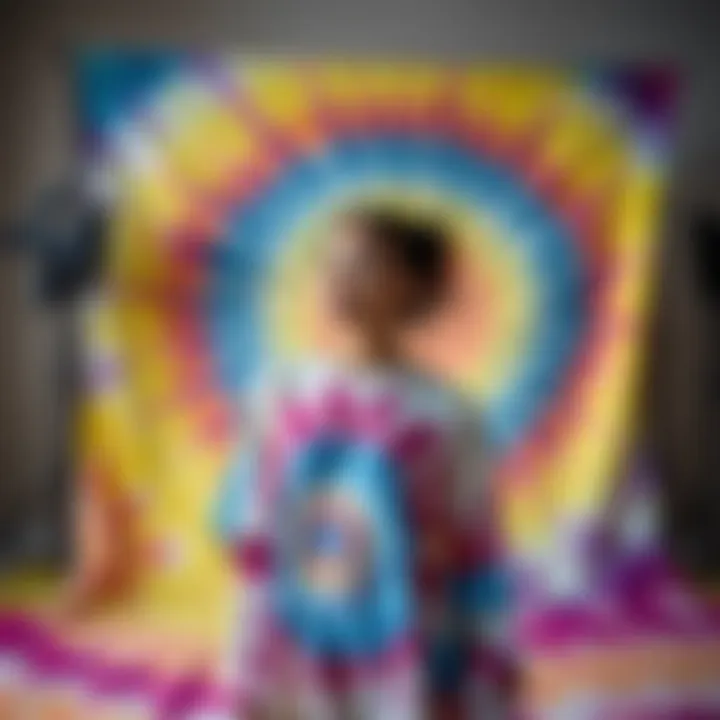
Sometimes, framing a subject with symmetry can highlight that kaleidoscopic backdrop beautifully, while other times, an off-center framing could lead to a more compelling arrangement, generating interest and allowing the colors to dance around the scene.
Background and Foreground Balance
Achieving a balance between background and foreground is essential to craft an engaging photograph. The tie dye backdrop should play its role without overtaking the foreground elements. Visually, it’s about finding that sweet spot where the backdrop enhances the overall piece but does not compete with the main subject.
Using layers within the scene can elevate the imagery. For instance, creating depth by incorporating some foreground elements that connect with the backdrop colors can lead to stirring and immersive photographs. This technique lends an artistic narrative to your work, showcasing the backdrop’s versatility while maintaining a strong focus on the subject.
In photography, the secret is in the details; tie dye backdrops offer endless possibilities for visual storytelling in every shot.
Maintenance and Care of Tie Dye Backdrops
Understanding how to maintain and care for tie dye backdrops is crucial for any photographer or designer aiming to preserve the vibrant, artistic quality of their work. The colorful patterns can fade or wear over time, but with proper care, these unique creations can remain in top condition for years to come. In this section, we’ll discuss effective strategies for washing, storing, and handling these artistic pieces to ensure they continue to inspire.
Washing and Storage Advice
Preventing Fading
Keeping those colors bright boils down to a few key practices. One of the main approaches to preventing fading is to wash your tie dye backdrops in cold water with a mild detergent. The use of cold water instead of hot helps to keep the dyes intact, as hot water can often set the fading in motion. It’s wise to wash these items separately from other fabrics to avoid dye bleeding.
Another effective strategy is to store your tie dye creations away from direct sunlight. Light exposure is a sneaky culprit when it comes to fading, so keeping your backdrop in a dark or shaded area can prolong its vibrancy. Also, consider using fabric protectants specifically designed for dyed materials. This not only aids in maintaining color but also adds a layer of protection against potential stains or dust.
"Routine care isn’t just about keeping things clean; it’s about preserving the essence of your art."
Dealing with Stains
Stains can be the nemesis of any backdrop. The key characteristic of dealing with stains is acting quickly and wisely. For most marks, a simple mix of mild detergent and cold water is enough to lift the stain without disrupting the dye. Gently dabbing the stained area with a soft cloth can work wonders, preventing the stain from setting in.
If the stain persists, do not reach for harsh chemicals. Instead, test a small area first with a gentle stain remover to ensure it does not affect the backdrop's design. It’s essential to remember that different fabrics react differently, so always check the label and follow the manufacturer's instructions.
Longevity Tips
Proper Handling Techniques
When it comes to handling your tie dye backdrops, gentleness is the name of the game. It’s advisable to always hold them by the edges to prevent any unwanted stretching or pulling on the dyed fabric. Be mindful of sharp objects or surfaces that could snag the fabric, as this can create unnecessary wear.
Additionally, if you're folding or rolling up your backdrops, do it carefully. Creating creases can lead to uneven wear over time. Instead, roll rather than fold to help maintain its form. The unique feature of proper handling techniques is that it not only protects the fabric but also contributes to the lifeline of your artistic investment.
Long-term Storage Options
When your tie dye backdrops are not in use, the way you store them can make a world of difference. Keeping them in breathable fabric bags rather than plastic can help prevent moisture buildup, which can lead to mold or mildew growth. If you're storing them for an extended period, lightly roll them up to avoid extensive creasing.
Additionally, consider keeping an inventory of your backdrops. Labeling storage areas or bins helps you organize and allows for quick access when inspiration strikes. The advantages of proper long-term storage are numerous; it keeps your materials in pristine condition and extends their usability.
In summary, proper care and maintenance of tie dye backdrops aren't just chores; they are essential for preserving the vibrant artistry behind each piece. Whether you're washing, storing, or handling, each action contributes to a greater outcome, ensuring your creations remain as stunning as the day they were dyed.
The End and Future Directions
As we draw the curtains on our exploration of tie dye photo backdrops, it’s essential to reflect on how this art form has evolved and its promising future. Tie dye isn’t merely a trend; it’s a visual language that requires an understanding of aesthetics and personal creativity. The evolution of tie dye in contemporary design is not just about vibrant colors and patterns but also about its ability to convey personal expression.
In recent years, the tie dye phenomenon has made its way into high fashion, becoming a staple seen on runways and social media alike. Designers are experimenting with traditional techniques, employing unique color palettes and innovative methods to create pieces that resonate with a modern audience. This intersection of DIY culture with high fashion offers a treasure trove of opportunities for both enthusiasts and professionals in the field. However, embracing this evolution requires a sensitivity to the cultural roots of tie dye, ensuring that the craft remains respectful to its history.
The Evolving Landscape of Tie Dye in Modern Fashion
Tie dye's resurgence can be traced back to growing movements toward individuality and sustainability in fashion. Fashion enthusiasts increasingly seek out unique garments that reflect personal narratives. Today, designers are blending old techniques with new technologies, such as digital printing, to create groundbreaking accessories and clothing that keep this traditional art alive while appealing to modern tastes.
With brands like Anthropologie and Free People leading the charge, tie dye has found its footing in casual wear, actively breaking into formal settings as well. The versatility of this design method now even allows for customizations that cater to diverse aesthetic philosophies, making each piece distinct.
"The tie dye trend empowers individuals to wear their stories as art. Each piece is a canvas of its own."
Potential for Innovations in Backdrop Design
The future of tie dye isn’t limited to fashion; it also holds tremendous potential in backdrop designs for photography and events. As more people seek personalized experiences for their shoots, the demand for unique backdrops that are not only visually striking but also reflect deeper meanings and stories is on the rise. Innovations can include:
- Integration of Technology: Using augmented reality to create immersive tie dye experiences for photo shoots, where backgrounds can shift and change dynamically.
- Sustainable Practices: Incorporating eco-friendly dyes and sustainable fabrics, appealing to the increasingly eco-conscious consumer.
- Customizable Options: Providing clientele the ability to design their own backdrops or mix and match styles for tailored photo opportunities.
As designers and photographers connect through platforms like Instagram and Pinterest, the possibilities are endless. Through collaboration, the artistic community is reshaping how tie dye can be utilized, ensuring that this vibrant medium remains relevant in an ever-changing landscape.
In sum, as we move forward, the art of tie dye remains a fluid concept, full of potential for those looking to engage with art, fashion, and self-expression. Embracing both its past and future will only serve to enrich the tapestry of creativity in our visual environments.