The Refined Ensemble: Styling a Suit with Vest and Bowtie
Intro
In the realm of fashion, few ensembles evoke a sense of sophistication quite like the combination of a suit, vest, and bowtie. This classic trio not only encapsulates timeless elegance, but also provides an avenue for personal expression. In recent years, interest in this refined attire has surged, driven by shifts in fashion paradigms and a renewed focus on individuality.
This guide aims to explore the complexities of styling this triumvirate, from understanding its historical underpinnings to navigating contemporary styling choices. The fusion of past and present styles creates a dynamic backdrop for anyone looking to elevate their wardrobe.
Fashion Trends
Current Seasonal Trends
The ever-changing tides of fashion reveal a subtle yet impactful evolution in how we perceive the suit, vest, and bowtie. Seasonal trends play a monumental role in this. For instance, warmer months see lighter fabrics like linen or cotton becoming favorable, as they breathe well and embrace the brighter hues associated with summer. Earthy tones and pastel colors are often the hallmark during spring, while autumn and winter herald deeper shades like burgundy and navy.
Moreover, current trends lean heavily towards mixing textures. Sporting a wool suit with a silk vest, or a tweed bowtie, creates an inviting contrast that's both engaging and stylish. Accessories further embellish this look, be it a stylish pocket square or a unique lapel pin, giving one a distinctive edge.
Influential Style Icons
Influencers and style icons play a significant role in shaping these trends. Figures like David Beckham and Idris Elba have often been seen donning the vest and bowtie combo, influencing not just mainstream fashion but also the sartorial choices of many. Social media platforms, especially Instagram, showcase various interpretations of the classic ensemble, encouraging individuals to experiment with their looks.
"Fashion is not about the clothes you wear, but the statement you make while wearing them."
Sustainable Practices
Eco-friendly Fabrics
As our awareness of environmental issues rises, so does the need for sustainable fashion practices. In the context of suits and vests, opting for eco-friendly fabrics such as organic cotton, hemp, or even recycled fibers can make a world of difference. Many brands are now offering suits tailored from biodegradable materials, marrying style with responsibility.
Ethical Fashion Brands
Exploring ethical fashion brands, like Eileen Fisher or Reformation, can provide options that are in line with both personal style and environmental consciousness. These brands focus on creating high-quality garments while ensuring fair labor practices. Choosing sustainable and ethical options not only enhances one’s wardrobe but also supports a movement towards responsible consumerism.
In this guide, we will dissect each component of the refined ensemble, ensuring that individuals not only look sharp but also feel empowered by their fashion choices.
Prelude to the Suit, Vest, and Bowtie Combination
Diving into the realm of menswear, the combination of a suit, vest, and bowtie holds a distinct place. This trio, when styled thoughtfully, speaks volumes about refinement and attention to detail.
At its core, this ensemble is not merely about clothing; it reflects personal identity and societal standing. Wearing a suit with a vest and a bowtie isn’t just about looking sharp; it’s also about wrapping yourself in a narrative of tradition, elegance, and modernity.
Historical Significance
The roots of this ensemble stretch deep into fashion history. For centuries, vests were essential components of men's formal attire, seen as a mark of sophistication and class. Originating from the 17th century, vests were initially worn under coats in contrasting colors. They served more than aesthetic appeal; they were the norm before today’s tailored suits came to the forefront.
Bowties also boast a storied past. Emerging from the cravats of the 17th century, they were initially the neckwear of the upper class. Over time, they migrated into the mainstream, embodying the spirit of rebellion and nonconformity during the 20th century. The history embedded in this combination illustrates a rich tapestry where each stitch tells a story—stories of elegance, rebellion, and the evolution of societal norms.
Modern Interpretations
In today’s fashion landscape, the suit, vest, and bowtie combination has taken on new dimensions. No longer solely reserved for formal occasions, it is now a canvas for personal expression. Modern designers have breathed new life into this ensemble, introducing a variety of styles, fabrics, and colors.
Today, the fit can lean toward the slim, the structured, or even the relaxed, accommodating a range of body types and personal tastes. Trends such as mixing textures, bold patterns, and vibrant colors allow individuals to escape the dull and predictable. Adopting a more casual approach, styles featuring bowties in playful prints or vests with unique fabrics have made the ensemble relevant in both casual gatherings and professional settings.
*
In essence, as we dissect the anatomy of this classic combination in the following sections, know that it’s more than just an outfit choice. It embodies a way of thinking about style—one that balances tradition and creativity, respect and audacity. For those keen on making a statement, understanding this ensemble offers a means not just to dress well, but to express one’s very essence.***
"Fashion may fade, style is eternal."
Through this guide, readers will glean insights not only about choosing the right pieces but also about cultivating a look that resonates deeply and speaks volumes without a word.
To explore more about the historical context of vests and bowties, visit Britannica. For further discussions on modern styling, check resources on Reddit.
The Anatomy of the Suit
Understanding the anatomy of a suit is pivotal for anyone looking to don a refined ensemble involving a vest and bowtie. The suit is not just a piece of clothing; it is a statement, a reflection of one’s personality, and a canvas that can showcase style and sophistication. The various components of a suit—jacket, trousers, vest—come together to create a harmonious look. Each part plays a crucial role not just in aesthetics, but also in comfort and versatility, allowing for myriad interpretations.
When selecting a suit, one must consider its construction and how each element contributes to the overall silhouette. A well-fitted suit enhances your stature, brings out your best features, and ensures you exude confidence in any setting.
Choosing the Right Fit
The fit of your suit cannot be overstated. A suit that hangs poorly or pinches in uncomfortable areas can mar an otherwise elegant look. The most common fits include slim, tailored, and classic styles.
- Slim fit: This is snug and modern, appropriate for leaner body types. It emphasizes a streamlined look that complements younger styles.
- Tailored fit: This type offers a balanced silhouette, suitable for most body shapes, marrying comfort with elegance.
- Classic fit: This is looser and more traditional, ideal for those who prioritize comfort and room for movement.
When trying on a suit, pay special attention to key areas:
- Shoulders should fit seamlessly without any bulging or misalignment.
- The chest area should allow for comfortable breathing, without excessive tightness.
- Sleeves should show a bit of shirt cuff.
- Pants ought to fall naturally, ending just above the heel.
Fabric Types and Their Properties
Choosing the right fabric is not merely about aesthetics; it also involves practical considerations. Different fabrics come with unique characteristics—understanding these can greatly influence not just the look but the feel of your suit as well.
- Wool: A classic choice, known for its durability and insulation. Wool suits are versatile for various occasions, allowing you to stay comfortable across seasons.
- Cotton: Typically lighter and more breathable than wool, cotton suits are excellent for warmer weather. However, they may wrinkle more easily, which is a factor to keep in mind.
- Linen: Known for its laid-back charm, linen is perfect for summer gatherings. It provides that effortless elegance but tends to lose shape faster.
- Synthetic blends: These can offer attributes like stretch and moisture-wicking, blending comfort with modern style. While less traditional, they can provide unique benefits for active wearers.
"When it comes to picking fabric, always touch it and envision how it will feel against your skin throughout the day. Comfort is as vital as style."
By understanding the intricate details of the suit—its fit and fabric types—you set the stage for a polished ensemble that highlights your taste while ensuring you feel at ease in any circumstance.
Selecting the Vest
The vest is not just a fashion statement; it is a crucial component that contributes to the overall elegance of a suit ensemble. Its role goes beyond mere aesthetics. A well-chosen vest can create a harmonious balance within the outfit and enhance the wearer's silhouette. When selecting a vest, it is vital to consider its style, fabric, and proportion. Each choice made in this stage sets the tone for how polished or relaxed the overall look will be. Thus, understanding the various facets of vests is key to a successful outfit.
Styles of Vests
Single-breasted vs Double-breasted
Choosing between single-breasted and double-breasted vests often boils down to personal style, but there are notable differences that can impact your outfit.
The single-breasted vest typically features a single row of buttons, creating a sleek and streamlined appearance. This style is less formal compared to its counterpart, making it a versatile option that can seamlessly transition from business settings to more relaxed occasions. The clean line of a single-breasted vest allows it to fit snugly under a suit jacket, aiding in a flattering silhouette.
In contrast, the double-breasted vest comes with two rows of buttons, giving it a more sophisticated and structured look. It tends to cover more of the shirt, providing added warmth and a touch of formality. This style often works wonders at events where one wishes to make a strong impression.
However, fitting can be tricky with double-breasted vests. If it is too tight, the buttons may strain under the stress, giving an unkempt appearance. So, ventilation and comfort are crucial here.
Textured vs Plain Fabric
The choice between textured and plain fabric vests also plays a vital role in defining the overall look. A plain fabric vest provides simplicity, allowing for versatile pairing with various suit styles. It is often made of solid colors and can complement busy patterns without clashing. However, a subtle texture, such as a fine weave or a herringbone pattern, can add a layer of sophistication while still retaining the simplicity of a plain fabric. It’s all about maintaining balance in your attire.
Conversely, a textured vest brings a different dimension to an outfit. Fabrics such as tweed or corduroy introduce depth and visual interest, making the wearer stand out. This option is especially advantageous in more casual settings, where a hint of personality is welcomed. However, caution is warranted when pairing textured vests with patterns elsewhere in the ensemble. A careful mix can work, but too many competing designs could lead to a disjointed look.
Length and Proportion
When it comes to length and proportion, take care to ensure that your vest fits well within the context of your overall attire. An appropriate vest should hug your torso without being overly tight or baggy. Ideally, the bottom of the vest will end just above the waistband of your trousers, creating a clean line between the set of garments.
Getting the length right is crucial, especially when layering with a suit jacket. A vest that is abruptly short can make the outfit seem disconnected, while one that is too long might risk appearing outdated. Furthermore, vests can vary in style, from cropped to longer cuts, each presenting its own set of aesthetic advantages. It’s all about finding the right proportion that suits your body type and personal style.
In summary, the selection of a vest is an art and a science, combining personal preferences with an understanding of fabric, design, fitting, and proportion. Each decision contributes significantly to achieving that polished, refined look that the combination of a suit, vest, and bowtie embodies.
The Bowtie: A Timeless Accessory
Bowties have long been a staple in men's fashion, standing out as a sophisticated complement to the suit-vest combination. Their unique shape and styling differentiate them from regular neckties, transforming what's essentially a formal garment into a statement piece. The bowtie isn’t just an accessory; it embodies personality, creativity, and taste. When properly chosen and paired, a bowtie can elevate an outfit from standard to remarkable. Let's delve into the choices available and how they can enhance overall attire.
Types of Bowties
Self-tie vs Pre-tied
When it comes to bowties, the first decision often revolves around the type: self-tie or pre-tied. Self-tie bowties, often referred to as the "real deal," demand a bit of skill. They come untied and require the wearer to skillfully tie them around their collar. This type gives an air of authenticity; it shows the wearer has taken the time to craft their look. A self-tie bowtie is a symbol of sophistication, suggesting the individual appreciates details and isn't afraid to showcase a bit of effort.
On the flip side, pre-tied bowties are just that—pre-tied, which means they come in a ready-to-wear form. While they may feel less personal, they offer convenience without compromising style. This is particularly useful for those who might find the art of tying a bowtie a bit daunting. The key characteristic of pre-tied bowties is their simplicity; they often come in an adjustable format, ensuring a comfortable fit. However, the convenience can sometimes sacrifice the uniqueness that comes with self-tied options.
"Making a choice between self-tie and pre-tied bowties ultimately hinges on whether you value the performance of tying your own knot or seek hassle-free elegance."
- Self-tie Bowtie
- Pre-tied Bowtie
- Unique Feature: Crafted by the wearer, allowing for personality and adaptation.
- Advantages: Demonstrates style awareness, often well-regarded in formal circles.
- Disadvantages: Requires practice and may take time to master.
- Unique Feature: Ready to wear, often adjustable for different collar sizes.
- Advantages: Effortless and quick to style and generally more accessible for the novice.
- Disadvantages: May lack personal touch, seen as less formal by purists.
Material Choices
Material choice can greatly influence the overall aesthetic of a bowtie. Common materials include silk, cotton, velvet, and even wool. Silk bowties are often considered the gold standard, renowned for their luxurious shine and soft touch. A silk bowtie can elevate the feel of an ensemble, adding an element of elegance that is hard to replicate. A common practice is to match the material with the occasion—silk for formal events and cotton for more casual settings.
Cotton options offer versatility, coming in various patterns and colors, making them popular among those looking to express creativity. Velvet bowties provide a unique texture and richness, making them ideal for evening events or winter occasions. However, they require careful selection in terms of colors and patterns to maintain harmony with the rest of the outfit.
Some also opt for wool bowties, especially in colder seasons, for their warmth and slightly casual charm. The unique feature here is the bowtie’s ability to set a specific tone; a silk option might suggest formality, whereas a wool piece can hint at relaxed sophistication.
- Silk Bowtie
- Cotton Bowtie


- Characteristic: Seamless shine, associated with elegance.
- Advantages: Perceived luxury, excellent for night events or formal attire.
- Disadvantages: Prone to stains, requires careful maintenance.
- Characteristic: Variety, often more playful and accessible.
- Advantages: Easy to clean and excellent for casual or summery events.
- Disadvantages: May lack the same level of formality seen in silk options.
Color and Pattern Coordination
The color and pattern of a bowtie can greatly influence the entirety of an ensemble. When matching colors, consider the overall palette of your outfit. If you're sporting a classic navy suit and grey vest, a patterned bowtie can provide an eye-catching contrast while still being cohesive.
Consider complementary colors—these are shades that sit opposite each other on the color wheel, such as blue and orange or purple and yellow. A bowtie in a complementary shade can act as a vibrant focal point. On the other hand, choose colors that are adjacent for a more subtle look. Patterns like polka dots, stripes, or paisleys can also inject personality into an outfit. Just be cautious not to mix too many competing patterns; sometimes, less is more.
Ultimately, the bowtie shines as a versatile accessory that can match the formality of any occasion, when chosen thoughtfully. Your bowtie speaks volumes about your style sense and attention to detail, making it a crucial element of the refined ensemble.
Color Theory in Attire
Color theory plays a pivotal role in fashion, especially when it comes to coordinating a suit, vest, and bowtie. Each choice in color can drastically change the overall vibe of an outfit, not just in terms of aesthetics but also in how it affects the wearer’s confidence and the impression they leave on others. Understanding color theory allows one to make informed decisions that enhance their overall appearance and project the right emotions or messages for various situations.
By grasping the fundamentals of color interaction, individuals can navigate the often complex world of sartorial choices with greater ease. This knowledge translates to the ability to refine one’s wardrobe and ensure that each ensemble resonates with sophistication and taste.
Understanding Color Palettes
Color palettes can serve as the backbone of any outfit selection. They are typically divided into three main categories: monochromatic, analogous, and complementary. Each has its unique flavor, and knowing which to apply can elevate a suit and vest combination.
- Monochromatic: Using different shades of a single color can create a soft, cohesive look. For instance, various shades of blue—navy, sky, and cobalt—might blend seamlessly, tying a completed outfit together while maintaining a polished and single-tone essence.
- Analogous: This scheme involves colors that sit next to each other on the color wheel. A palette featuring greens and blues, for example, might evoke a fresh, calming visual effect, suitable for semi-formal gatherings.
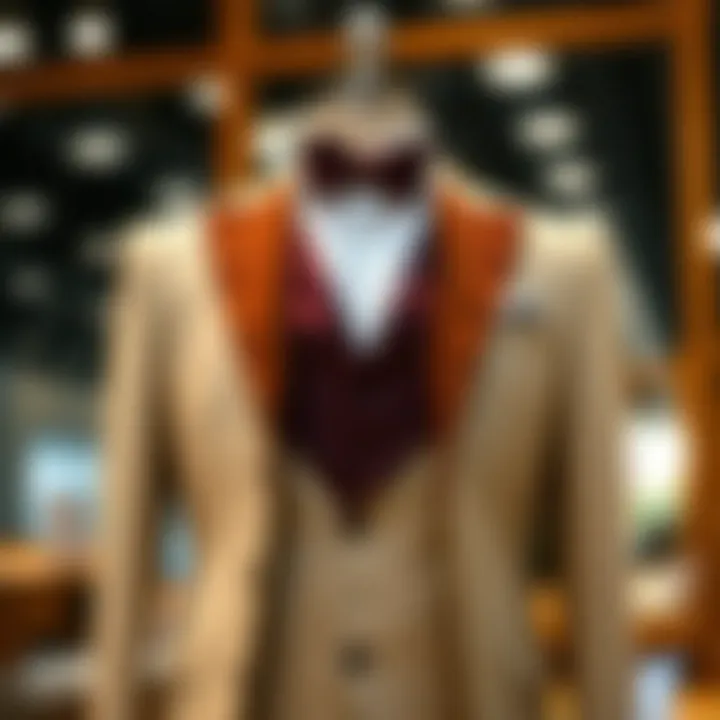
- Complementary: Combining colors from opposite sides of the color wheel can produce striking contrast. Think of a charcoal gray suit paired with a rich burgundy vest. This juxtaposition creates visual interest, ensuring one stands out while keeping the overall appearance classy.
Taking these palettes into account allows individuals not just to choose colors but to craft a visual story that portrays their personality and mood.
Complementary and Contrasting Colors
Diving deeper into complementary and contrasting colors can be particularly fruitful when aiming for visual impact in formal attire. When two colors play off each other, they can enhance vibrancy and define bold statements that aspire to reflect elegance or creativity.
- Complementary Colors: These are colors that, when paired, create a high contrast and capture attention. For example, a navy suit can look remarkably sharp with a vivid orange bowtie. This color clash doesn't yell but instead whispers sophistication through its dynamic pairing, ideal for those who want to maintain an edge without overstepping the bounds of good taste.
- Contrasting Colors: This approach can be riskier but yields fascinating results. A light beige suit with a deep forest green vest can portray a sense of playfulness while remaining grounded. It's a visual conversation starter—something for the observer to ponder, providing a layer of depth to the outfit.
When contemplating the colors for any outfit, remember that these choices have meaning and can elicit various emotions.
"Color is the keyboard, the eyes are the harmonies, the soul is the piano with many strings." – Wassily Kandinsky
Ultimately, employing color theory in attire not only refines how one presents themselves but also enhances their self-image, allowing for a nuanced expression of identity. Achieving a harmonious balance in color can elevate even the most straightforward ensemble to something noteworthy.
Incorporating Patterns and Textures
When it comes to elevating the sophistication of a suit, vest, and bowtie ensemble, the elements of patterns and textures cannot be overlooked. These components play a crucial role in creating visual interest and depth, turning a standard outfit into something extraordinary. By thoughtfully mixing and matching patterns along with varying textures, an individual can convey not only style but also a certain personal flair.
Patterns can range from subtle pinstripes to bold plaids, while textures can include smooth wools, crisp cottons, or luxurious silks. Each has its purposes and can transform the dynamic of an entire ensemble. For example, a finely woven houndstooth vest paired with a solid, textured suit allows both pieces to stand out while maintaining a cohesive appearance. Understanding the balance of these elements will elevate your sartorial game to new heights.
Mixing Patterns Responsibly
Mixing patterns is an art form in itself—the kind that, when done wrong, can lead you down a fashion faux pas. It's essential to approach pattern mixing with caution. Firstly, there's an unspoken rule of thumb: try to ensure that the scale of the patterns varies. Pairing a bold plaid with smaller polka dots, for instance, strikes that perfect balance. This way, one pattern complements the other while ensuring that chaos doesn't ensue.
A few practical considerations include:
- Color Coordination: Ensure that both patterns share complementary colors. This can help anchor the look and keep it from feeling disjointed.
- Common Theme: Look for patterns with a common theme or design element even if they differ in scale. For instance, geometric shapes can work well when paired, regardless of their individual sizes.
- Breaking It Up: Use solid colors in between patterned pieces to break up the visual noise. This can mean adding a solid-colored tie or a pocket square that harmonizes without competing.
By adhering to these principles, you can create remarkable and sophisticated outfits that show off your style without stepping over the line into confusion.
The Role of Texture in Depth
While patterns draw the eye, textures evoke a sense of sensation and feel. The importance of texture lies in its ability to add dimension to a look, breathing life into fabrics and helping determine how they interact with light—this is vital when crafting an unforgettable outfit.
Textures can invite touch and create a sense of luxury. A rougher fabric like tweed on a vest paired with a smooth silk bowtie creates contrast that not only attracts the eye but also allows for a richer experience regardless of how the outfit is perceived at a glance.
Consider these points when emphasizing texture:
- Layering Textures: A well-thought-out layering of textures can create a multi-dimensional look. Think of a matte wool suit juxtaposed against a shiny satin vest.
- Seasonal Considerations: Depending on the season, heavier, coarser textures work best in cooler weather, while lighter, more breathable fabrics suit warmer months.
- Detailing and Construction: Pay close attention to fabric construction. A finely crafted fabric, like a herringbone or a lightly brushed fleece, can elevate an outfit by introducing nuances that catch the eye.
"Textures hold the power to change mood and elevate your outfit from ordinary to exceptional."
In summary, incorporating patterns and textures into your suit, vest, and bowtie ensemble is vital for achieving a polished and distinguished look. By mixing patterns responsibly and bringing textures into play, you'll encapsulate what it means to refine your style.
Accessorizing the Ensemble
Accessorizing is not merely a final touch to any outfit; it's arguably the cherry on top that can enhance even the simplest of suits. When it comes to a refined ensemble of a suit with a vest and bowtie, the accessories carry the weight of elevating your overall look while expressing personal style. Each accessory chosen reverberates through the attire, weaving together the threads of elegance and panache.


The key to effective accessorizing lies in balance and purpose. Every piece you add should complement rather than compete with the ensemble. For example, selecting a striking pocket square should harmonize with the vest or tie instead of clashing flamboyantly. It’s the subtle art of coordination that separates the well-dressed from the merely dressed.
Benefits of Accessorizing:
- It Complements the Outfit: Thoughtful accessories can tie the whole look together. A pocket square can echo a hint of color from the bowtie, pulling two crucial elements together.
- Reflects Personal Style: Accessories allow individuals to express their unique personalities. From bold cufflinks to understated tie clips, these items whisper your style preferences.
- Adds Dimension: Layers of style are achieved through accessories. A wristwatch can add a touch of sophistication, while shoes can create an eloquent statement about the occasion.
Choosing Appropriate Footwear
Footwear, often an underestimated element of style, bears an incredible influence on the overall impression. When donning a suit with a vest and bowtie, the choice of shoes can reinforce sophistication. Opting for classic leather shoes like oxfords or brogues tends to steer the ensemble toward a refined elegance, making them a popular choice.
Moreover, the color of the shoes must align with the suit. Darker suits typically favor black shoes, whereas lighter fabrics may open the door for browns or even shades of tan.
- Oxfords: Timeless and versatile, perfect for weddings or formal gatherings.
- Brogues: A touch of character with perforated designs, great for semi-formal events.
- Loafers: More relaxed yet stylish, ideal for social gatherings where you want to feel comfortable yet polished.
Remember, comfort is paramount. A polished look means nothing if you're hobbling in discomfort.
The Importance of a Pocket Square
The pocket square, oh that small but mighty piece of fabric! This accessory does wonders to enhance the visual narrative of your attire. A well-chosen pocket square adds a dash of personality, bringing life to a monochrome or patterned vest. Unlike the bowtie, which typically holds formality, the pocket square invites a playful side to your ensemble.
Incorporating a pocket square can be just as strategic as what tie you choose. There’s the option of classic folds or something more contemporary like a puff. Aim for the pocket square to either match the vest or introduce a new color that resonates with your overall palette.
- White Linen Square: A quintessential staple that suits nearly all occasions, communicating simplicity and elegance.
- Colorful Patterns: These can introduce a refreshing twist, especially if they harmonize with the rest of the outfit.
"The details are not the details. They make the design." — Charles Eames
Accessorizing your suit, vest, and bowtie ensemble is about more than mere aesthetics; it's about crafting a cohesive identity through your outfit. Rather than haphazard choices, strive for intentional selections that echo your personality while maintaining harmonious integration with the overall attire. Each piece is a thread in the rich tapestry of your refined ensemble.
Occasions and Suit Styles
When it comes to donning a suit paired with a vest and a bowtie, understanding the suitable occasions for such an ensemble is crucial. The overall look conveys an air of sophistication, making it vital to align your outfit not just with your personal style but also the relevance of the event. Suiting up is more than just a fashion statement; it’s about showing respect for the occasion and the people at it. Here’s how you can navigate through the various situations that call for this refined sartorial choice.
Formal Events
Formal events are the perfect backdrop for a well-tailored suit ensemble featuring a vest and a dapper bowtie. Whether it's a wedding, gala, or black-tie dinner, this combination not only exudes elegance but also channels a sense of tradition and commitment to style. Here are some vital tips to consider when preparing for formal gatherings:
- Suit Material: Go for high-quality fabrics like wool or silk which give off a more polished look.
- Fit: Ensure your suit fits impeccably—loose or tight suits can bring the whole look down. A well-fitted suit frames the entire outfit beautifully.
- Accessories: Consider complementing your vest and bowtie with subtle cufflinks and a refined wristwatch to add that extra touch of sophistication.
- Color Selection: Classic colors such as black, navy, or charcoal always work well. Don’t shy away from deeper tones or patterns like houndstooth if you feel adventurous.
Attending a formal event is an opportunity to not just participate, but to turn heads. It's a chance to express yourself through classic and timeless choices that resonate with the occasion's gravity.
Casual Gatherings
When it comes to more laid-back occasions, like a friend’s birthday party or an art gallery opening, a suit with a vest and bowtie still holds its own. It strikes a fine balance between looking sharp and fitting comfortably in a casual environment. Here are a few considerations for deploying this refined ensemble at casual gatherings:
- Fabric Choice: Lighter materials such as linen or cotton can be more fitting. Not only are they breathable, but they also lend a relaxed vibe.
- Pairing Colors and Patterns: This is your moment to play with color. A brighter bowtie or a vest with a fun pattern can make the outfit feel approachable while still being stylish.
- Footwear: Casual events can afford a bit of leeway with footwear. Try pairing your suit with loafers or even clean sneakers, depending on the vibe you wish to achieve.
- Layering: Consider layering with a nice turtleneck under the vest instead of a formal shirt to make it more relaxed.
In casual settings, you can showcase your personality while staying within the realms of style that a suit, vest, and bowtie offer.
Remember, the essence of wearing a suit ensemble lies in your comfort and confidence. Whether it's a formal gala or a casual meet-up, the right choices reflect not just your fashion sensibilities but also your appreciation for the occasion.
Sustainability in Formal Wear
In recent years, sustainability has bubbled up to the surface of discussions surrounding fashion. When one thinks of formal attire, it often conjures an image painted in hues of extravagance, with little room for environmental considerations. However, integrating sustainability into the domain of formalwear—specifically the sophisticated combination of a suit, vest, and bowtie—presents not only a chance to refresh our wardrobes but also to embrace ethical values in style choices.
The essence of sustainability in formal wear is multifaceted. Firstly, the impact of manufacturing processes on the environment cannot be overstated. Many fabrics utilized in suits and vests are produced under conditions that are not eco-friendly. By choosing sustainable options, not only do we contribute to the reduction of carbon footprints, but we also influence the industry toward better practices. It's a win-win; one enhances their appearance while also fostering a healthier planet.
Furthermore, sustainable fashion embodies quality over quantity. Instead of racing to buy the latest trends, we are encouraged to invest in pieces that last. Therefore, a well-tailored suit or a thoughtfully selected bowtie can transcend seasons and trends, becoming staples in the wardrobe that serve various occasions without the common pitfalls of fast fashion.
"Making conscious clothing choices is essentially a statement, it says you care about the world you live in and the future you want to shape."
Another aspect to consider is consumer awareness and ethical transparency. A suit purchased from a brand that discloses its sourcing practices not only builds trust but also inspires customers to be more discerning in their selections. This shift in buying behavior creates a ripple effect, pushing brands to prioritize ethical considerations.
Sourcing Ethical Fabrics
When delving into the world of ethical fabrics, various elements come into play. Organic cotton, linen, and Tencel are some of the natural fibers which offer sustainable alternatives to conventional materials. These fabrics are cultivated without harmful chemicals, making them kinder to the environment. Besides that, they tend to be more breathable and comfortable, enhancing the overall wearing experience.
Additionally, certain companies specialize in producing recycled fabrics. For example, Repreve, a brand that makes recycled polyester out of plastic bottles, has established itself as a standard bearer for sustainable fabric production. As a consumer, opting for garments made from these materials promotes a closed-loop system, thereby reducing waste.
Thinking about the dyeing processes is also crucial. Conventional dyeing often involves toxic chemicals that can pollute water sources and harm ecosystems. On the other hand, many designers are now turning to non-toxic, plant-based dyes that reflect a commitment to sustainability. By sourcing garments that use these eco-friendly methods, we take a step toward fostering a greener fashion landscape.
Second-Hand and Vintage Options
Sometimes the best sustainability lies in the past. Second-hand clothing is not just eco-friendly; it often provides unique pieces that tell their own story. Vintage suits and bowties have a charm that new items simply can’t replicate. Additionally, shopping for pre-owned formal wear often means lower prices—for quality craftsmanship that might come from renowned designers.
Embracing second-hand options doesn’t mean compromising on style; it’s quite the opposite. With careful selection, vintage outfits can be tailored to fit our individual aesthetics while ensuring we remain stylishly conscious in our choices. Online platforms, like eBay or Poshmark, have made it easier than ever to unearth hidden gems that resonate with sustainable living principles.
Moreover, thrift shops and charity outlets play an essential role in this movement. By donating or purchasing from these establishments, consumers contribute to a circular economy where clothing can enter a new life, rather than heading directly into landfills. This way, looking sharp in a suit with a vest and bowtie can also mean twirling the spotlight on environmental responsibility.
Choosing sustainability in formal wear is not just a trend—it's a progression towards a more mindful way of living. As fashion enthusiasts, we have the power to shape not only our personal style but also the world around us. Through sourcing ethical fabrics and embracing second-hand options, we can redefine what it means to be fashionable in today's society.