Stylish Plus-Size Skirt and Top Combinations Guide


Intro
In today’s fast-paced fashion world, the conversation around plus-size clothing has shifted significantly, ushering in an age where style meets inclusivity. For those who fall into the plus-size category, the options are abundant but can often seem overwhelming. When it comes to skirt and top combinations, there’s more to it than simply throwing together a few items. It’s about balancing style, fit, and fabric choices. This article sets out to untangle this complex web by providing a thorough understanding of pairing these clothing items, all while keeping in mind the latest trends and the rise of sustainable fashion.
Exploring plus-size skirt and top combinations invites fashion enthusiasts to consider not only what looks good but also what feels good. This approach extends beyond mere aesthetics, touching on the significance of fabric choices that accommodate various body types and personal style preferences. Today’s readers are not just consumers—they’re informed individuals who wish to curate a wardrobe that reflects their values and lifestyle.
As we embark on this sartorial journey, we’ll break down essential considerations that every plus-size fashionista should keep at the forefront of their choices. From current trends that are making waves across social media to insights into how sustainable materials are becoming the norm, this guide will equip you with the knowledge to create perfectly styled outfits for any occasion.
Understanding Plus-Size Fashion
Understanding plus-size fashion is more than just knowing the numbers on a tag; it’s about recognizing the broader narrative of body positivity and individual expression. In today's world, where fashion is often synonymous with thinness, exploring plus-size style brings forth new avenues for creativity and self-acceptance. The importance of this discussion lies in how it intersects with personal identity, social perception, and empowerment.
When we talk about plus-size clothing, we are dealing with a fashion sector that has historically faced neglect. The availability of stylish, well-fitting garments in larger sizes has often been limited, forcing many to compromise on comfort or aesthetics. Therefore, tackling the nuances of plus-size fashion not only highlights the need for inclusivity but also encourages designers and retailers to broaden their horizons, offering options that cater to a variety of body shapes and sizes.
“Fashion should be an experience, not a headache.”
In understanding plus-size fashion, one should consider the myriad benefits it brings:
- Diversity: It allows for a wide array of styles, catering to unique tastes. What one person finds flattering may resonate with another. It’s about embracing variety.
- Confidence: Well-fitting clothes that suit one's body type can boost self-esteem. Fashion can empower; it allows individuals to express themselves freely.
- Awareness: Discussing plus-size fashion raises awareness of societal issues concerning body image. It challenges conventional beauty standards, promoting greater acceptance across the board.
The journey toward understanding plus-size clothing also requires a look at historical context, illustrating how perceptions of bodies and fashion have evolved over the years. This history is essential for appreciating current trends and understanding why they matter. Moreover, discussing plus-size fashion opens a dialogue on how the industry can be more inclusive and innovative. It encourages not just consumers, but also designers and brands, to step up and create garments that make every body feel fabulous.
As we explore the intricacies of plus-size skirts and tops, it’s essential to dive into definitions of what plus-size clothing is today and how the history has shaped the present. A deeper understanding will allow for a more informed approach to selecting outfits that are not just size-appropriate but beautiful and expressive.
Defining Plus-Size Clothing
Defining plus-size clothing starts with recognizing that size ranges can vary widely between brands and cultures. In general, plus-size fashion often refers to clothing sizes above what the fashion industry typically labels as
Current Trends in Plus-Size Skirts and Tops
The realm of plus-size fashion has a pulse of its own, commanding attention year after year. Current trends in plus-size skirts and tops are not only about style; they reflect a significant shift towards inclusivity and self-expression in the fashion industry. This section dives into why these trends are so vital and how they empower consumers to embrace their bodies with confidence.
Today, curvy individuals find a variety of options that were not previously available. The fashion landscape is evolving, with more designers stepping up to create collections that focus on the aesthetics and comfort that plus-size wearers desire. With many people ready to break the mold, it becomes essential to understand popular silhouettes, cuts, color palettes, and patterns that dominate the scene.
Popular Silhouettes and Cuts
When it comes to selecting skirts and tops, the silhouette can make all the difference in the world. Popular cuts now include A-line, wrap, and high-waisted styles, which have gained traction recently.
- A-line skirts: These are flattering for many body types, creating a soft drape and offering a balance to wider hips.
- Wrap tops: They can adjust to different sizes while accentuating the waist, incredibly versatile for various occasions.
- High-waisted pieces: Often paired with crop tops, they can elongate the legs, drawing attention upwards.
Utilizing these silhouettes can enhance an individual's figure while offering comfort.
"Fashion should be fun and empowering at any size!"
Color Palettes and Patterns
When it comes to color, the current trends are bold and diverse. Deep jewel tones, pastel shades, and classic neutrals are all making their presence felt. Taking cues from runway shows and street style, designers now recognize the need for colors that resonate and uplift. Including a blend of patterns is equally essential.
- Bold prints: Florals and geometric designs can add personality and flair to an outfit.
- Strategically placed patterns: These can serve to create an illusion of shape, playing with visual perspectives to enhance curves.
The current trends emphasize that it’s not merely about wearing any cloth; it’s about choosing what sings to the soul. With skirts and tops that reflect the individual’s personality, the right choice of color and pattern can enhance style tremendously.
In short, the world of modern plus-size fashion offers a melting pot of styles, cuts, colors, and patterns that not only meet the needs of the body but also cater to the desire for self-expression and individuality. By embracing these trends, individuals can curate outfits that aren't just practical but are also resonant with their personal style.
The Importance of Fit
Fit is paramount when it comes to selecting plus-size skirts and tops. Achieving the right fit is not only about aesthetics, but it’s also about comfort and self-expression. Clothes that fit well can enhance the body’s proportions, providing a polished appearance while allowing freedom of movement.
Imagine wearing a top that gapes at the bust or a skirt that clings in all the wrong places. Such misfits can lead to discomfort and an overall sense of self-consciousness. In contrast, properly fitting garments don’t just complement your figure; they boost confidence and encourage creativity in styling.
In this article, we will explore how understanding fit can transform your wardrobe choices. From knowing your measurements to utilizing size charts, and discussing tailoring options, we aim to equip every fashion enthusiast with the knowledge needed to embrace their style.
How to Measure for the Right Fit
Essential Measurements


Understanding essential measurements is the bedrock of finding clothing that truly fits. When we talk about essential measurements, we typically refer to the bust, waist, and hip measurements. These three dimensions open the door to a range of possibilities in plus-size fashion.
- Bust Measurement: Measured around the fullest part of the bust, this measurement helps determine how a top will fit in the chest area. It's crucial for ensuring no gaping occurs.
- Waist Measurement: This is taken at your natural waistline. A well-fitted waist can create a beautiful hourglass shape, adding elegance to any ensemble.
- Hip Measurement: Taken around the widest part of your hips, it ensures that skirts and dresses have enough room, providing comfort and style.
The key characteristic of these measurements is their simplicity and effectiveness. Knowing your dimensions allows you to make informed choices when shopping both online and in-person. Each measurement has its unique advantage, allowing for a customized fit that enhances your silhouette.
Understanding Size Charts
Navigating size charts can feel like deciphering a secret code, but they are indispensable tools in making sure your clothing fits well. Size charts offer a standardized way to understand how brands size their products, giving you a framework to compare against your own measurements.
Different brands may vary significantly in sizing; what might be a size 16 in one label could be a size 20 in another. Always refer to a specific brand's size chart when making a purchase; this practice saves time and frustration. Size charts typically include not only conventional sizes but also measurements for their corresponding sizes.
The unique feature of size charts is their compatibility with the variations in brand sizing. However, they do have disadvantages; for instance, one brand’s size may not align perfectly with another’s size even when the measurements match. Invariably, a degree of trial and error may be necessary.
Tailoring Options for Plus-Size Garments
Tailoring provides a wonderful opportunity to maximize the potential of off-the-rack plus-size clothing. Investing in a good tailor can mean the difference between a merely acceptable fit and a garment that feels like it was made just for you.
Tailoring options range widely; you can adjust hemlines, take in or let out seams, and even modify sleeves for better articulation. Whether it’s securing just the right length in a skirt or creating a custom silhouette on a blouse, having your clothing tailored means you can express your unique aesthetic while ensuring a flattering fit.
By focusing on fit, you're not just dressing well; you're also expressing who you are through fashion—one perfectly fitted garment at a time.
"In fashion, a good fit is your best friend."
- Anonymous
With proper understanding and application of fit, the world of plus-size fashion opens up significantly, empowering individuals to mix, match, and flaunt their styles with ease.
Choosing the Right Fabrics
When it comes to assembling the perfect plus-size skirt and top combination, the choice of fabric holds substantial weight. It informs not only the overall aesthetic of the outfit but also significantly impacts comfort and wearability. Selecting the right fabric is a delicate dance between functionality and fashion, where each material brings its own set of qualities to the table. The right fabrics can enhance the fit, drape beautifully, and even influence how a garment moves with the body. Hence, understanding the different types of fabrics available is paramount for those seeking to curate a stylish yet comfortable wardrobe.
Lightweight vs. Heavyweight Fabrics
The distinction between lightweight and heavyweight fabrics is crucial in determining the feel and intended use of an outfit. Lightweight fabrics like chiffon, georgette, and cotton blends tend to be more breathable and are ideal for warmer climates or spring and summer outings. They elegantly flow with movement, providing a flattering silhouette that enhances curves without feeling restrictive.
On the other hand, heavyweight fabrics such as denim, wool, or canvas offer more structure and durability. These are particularly beneficial during the fall and winter months, providing warmth and a comforting heft. However, one should consider that not every heavy fabric is forgiving of movement. For instance, stiffer materials might hinder mobility if not tailored properly. It's wise to strike a balance, incorporating both lightweight and heavyweight fabrics to achieve versatility in your wardrobe—
"Choosing the right fabric is like laying the foundation of a sturdy house; get it wrong and everything else may just crumble."
Natural vs. Synthetic Fibers
Next in line is the ongoing debate of natural versus synthetic fibers, both of which have their unique pros and cons. Natural fibers, like cotton, linen, and silk, are often known for their breathability and softer touch. They tend to be less irritating to the skin, allowing for all-day wear with maximum comfort, especially for those with sensitivities. Additionally, natural fibers have wonderful moisture-wicking properties, making them perfect for warmer days.
Conversely, synthetic fibers such as polyester, nylon, and spandex have garnered attention for their durability and versatility. They’re generally more resistant to wear and tear, and they tend to hold color better than natural options. Plus, synthetic blends often provide stretch, ensuring a snug yet comfortable fit—great for body-hugging silhouettes.
While the choice boils down to personal preferences and occasions, understanding the specific use of each type of fiber helps in making an informed decision.
Sustainable Fabric Choices
Sustainability is becoming increasingly essential in today's fashion industry, and this appeal rings particularly true within plus-size fashion as well. Opting for sustainable fabric choices reflects a consciousness not just towards personal style but also towards the broader implications of clothing production. Fabrics made from organic cotton, Tencel, or recycled polyester are excellent alternatives that reduce environmental impact without sacrificing quality or style.
Utilizing these fabrics not only minimizes the carbon footprint but can also promote ethical practices in the fashion sector. Supporting brands that prioritize sustainability fosters a sense of community and encourages the industry to pivot towards more responsible production methods.
Incorporating sustainable fabrics means consumers can wear their values, aligning fashion choice with social responsibility. Some brands even provide transparency about their sourcing methods, allowing you to choose fabrics that align with your ethical beliefs.
Styling Plus-Size Skirts and Tops
Styling plus-size skirts and tops is more than just matching colors and patterns; it’s about creating an ensemble that reflects individual personality while also embracing body confidence. This section addresses key elements of styling that go beyond aesthetics, delving into the benefits of well-thought-out combinations and the considerations necessary for achieving the perfect look.
When it comes to fashion, particularly in plus-size clothing, the right styles can transform not just how an outfit looks but how it makes someone feel. Proper styling allows one to enhance body shape, divert attention from areas of concern, and ultimately embody a radiant presence. A labor of love where instinct meets intellect, styling is a crucial piece of the fashion puzzle.
It's essential to remember that styling plus-size skirts and tops also encourages inclusivity and body positivity. It fosters an environment where individuals of all sizes can feel empowered to make bold clothing choices that speak to their sense of self. Whether dressing for a casual day out, a professional setting, or a dazzling evening event, the right combination can elevate the experience.
Balancing Proportions


One of the linchpins in styling is balancing proportions. For plus-size figures, the aim is to create an outfit where the top and bottom pieces work in harmony. Balancing proportions allows for a visually appealing silhouette which does wonders for comfort and style alike.
- Identify your body shape: Knowing whether one has an hourglass, apple, pear, or rectangular body shape lays the groundwork for choosing the right silhouettes. For instance, a fitted top paired with a flowing A-line skirt often looks well-balanced on a pear shape.
- Experiment with lengths: Vertical lines are your best friends. A longer top can help elongate the torso, while a shorter top can be great for showcasing the waist when paired with high-waisted skirts.
- Play with volume: If a top is voluminous, opt for a more fitted skirt, and vice versa. Mixing textures can add interest while keeping proportion in check.
Balancing proportions isn’t merely a matter of looks; it enhances comfort and wearability, making one feel more at ease and self-assured.
"Fashion is about more than just clothing—it's about identity. Finding the right balance allows one to shine without compromising comfort."
Layering Techniques
Layering techniques play a significant role in styling plus-size skirts and tops, enabling flexibility suitable for varying temperatures and occasions. Skillful layering doesn’t just add warmth; it introduces depth, texture, and dimension to an outfit, improving the overall aesthetic while providing practical benefits.
- Start simple: A well-fitted top is your base. Adding a lightweight kimono or an open-front cardigan can turn a basic outfit into something fresh and stylish without overwhelming the figure.
- Utilize open jackets: An unstructured blazer or duster can create a flattering vertical line. Plus, they draw attention away from the midsection, which some might prefer.
- Accessorize wisely: Scarves and necklaces can break up blocks of color and add visual interest. Use them to highlight certain areas when layering, drawing the eye where you want it.
Successful layering also allows for transitions throughout the day. It can be the difference between navigating a chilly office and heading out for an evening gathering without a complete outfit change. In essence, mastering these techniques contributes notably to a versatile and stylish wardrobe.
In summary, both balancing proportions and employing layering techniques are indispensable tools in the modern plus-size fashion toolkit. Embracing these principles cultivates not only stylish outfits, but also lifelong styling habits that encourage confident self-expression.
Accessorizing Plus-Size Outfits
Accessorizing can make or break an outfit. When it comes to plus-size fashion, the right accessories can elevate a basic ensemble into something spectacular. It’s not just about adding flair; it’s about balancing proportions and creating a harmonious look that reflects personal style. Plus-size outfits, especially skirt and top combinations, increasingly embrace various accessories that provide versatility and individuality. By choosing the right footwear, bags, and other accouterments, one can not only enhance comfort but also emphasize beauty and confidence.
Choosing the Right Footwear
Footwear plays a crucial role in deciding the entire vibe of an outfit. When selecting shoes, plus-size individuals should consider both style and comfort. For instance, chunky heels can provide height without compromising on stability, while stylish ankle boots can define the ankle and elongate the leg line. Comfortable flats or loafers can also be quite chic if they are paired with the right skirt length.
Here are a few pointers to keep in mind:
- Consider the Occasion: Is it a casual brunch or a professional meeting? Your footwear should align with the day's events.
- Focus on Fit: Shoes that are too tight or too loose can harm your posture and cause discomfort. Look for brands that offer wide sizes.
- Choose Versatile Colors: Neutral tones like black, beige, or navy can complement most outfits, while a pop of color can add fun and diversity.
In summary, the right shoes are integral to not just completing the outfit, but also in providing comfort and supporting confidence throughout the day.
Bags and Belts to Complement
Bags and belts are often the unsung heroes of fashion. A well-chosen bag can enhance an outfit while also being functional. Similarly, the right belt can cinch the waist, creating a flattering silhouette. When accessorizing plus-size outfits, keep these factors in mind:
Bags
- Size Matters: A bag that is too small might look out of place, whereas a large tote can bring balance to a more fitted top.
- Material and Construction: Choose bags made from quality materials that hold their shape. Structured bags can add sophistication, while slouchy styles can convey a more laid-back vibe.
Belts
- Placement: A belt worn at the natural waist can define curves, providing a feminine touch. Experiment with width; wider belts often create more definition.
- Pattern and Texture: When choosing a belt, think about unique textures or patterns that can add interest. A woven leather belt or a patterned fabric belt can be a nice tangential detail that unifies the look.
"Accessories are like vitamins to fashion – as such, you should use them liberally!"
By focusing on these accessory choices, one can enhance their confidence and expressiveness through their fashion choices.
Occasion-Based Styling
When it comes to dressing, occasion can make or break an outfit. Plus-size fashion is no exception; the way you style your skirt and top combinations can significantly steer the tone of your look. Whether it's a casual outing, a business meeting, or a fancy evening event, understanding occasion-based styling is vital for your wardrobe.
Choosing the right outfit for the right setting helps you feel comfortable and confident. Plus-size individuals often face challenges when it comes to fitting styles that work for specific occasions. Knowing how to navigate these waters ensures that you can achieve a balanced look that reflects your personality while adhering to the expectations of the environment.
Casual Outfits
A casual outfit is all about comfort without sacrificing style. Think weekend brunch or a trip to the farmer's market—these are perfect occasions for mixing and matching. Opt for flowy tops paired with A-line skirts, which are flattering for many body types. Although you might lean towards cotton or jersey fabrics, don't shy away from vibrant patterns or playful prints.
Consider the following tips:
- Top Choices: T-shirts, tank tops, or casual blouses work well. Look for options that provide some stretch without clinging too tightly.
- Skirt Styles: Look for midi or maxi lengths that allow for movement. Wrap skirts can be forgiving and provide versatility.
- Footwear: Sneakers or cute flats can round off the look neatly, adding a relaxed touch.
"Dressing up doesn't always mean dressing down comfort. You can have both when done right."
Business and Semi-Formal Looks
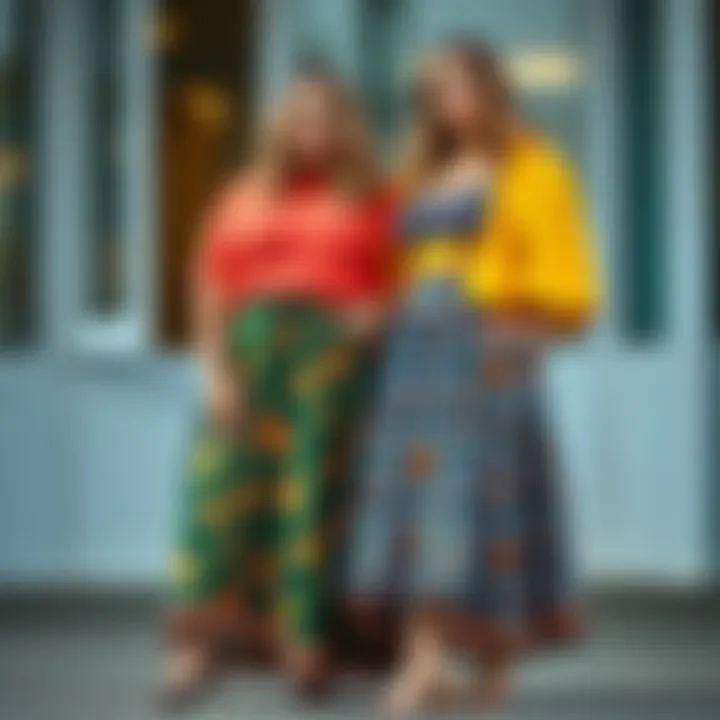
Transitioning to business and semi-formal settings requires a shift in mindset. Here, you'll want to portray professionalism while feeling good in your skin. Choose structured tops like button-down shirts or fitted blouses paired with knee-length pencil skirts or sheath dresses.
Some key points to consider include:
- Fit Matters: Ensure your attire fits well. Avoid overly baggy options, as they can make you appear unkempt. Tailored pieces that hug your curves can create a polished appearance.
- Color Choices: Stick to muted tones or subtle patterns to uphold a professional yet approachable aura. Navy, black, and earth tones are standard choices in a business environment.
- Accessories: A smart pair of heels can elevate an outfit. A structured handbag not only completes the look but is also practical for the office.
Evening Wear and Special Occasions
Evening events, like weddings or galas, allow you to experiment with fabrics and styles. Think about adding some glamour to your outfit. For instance, wear a silky off-shoulder top with a flared or elegant maxi skirt.
Consider the following:
- Dressy Fabrics: Incorporate materials like chiffon, satin, or lace, which provide sophistication. These fabrics often drape beautifully on curves.
- Silhouette: A-line or empire waist skirts can provide comfort while highlighting your shape. A well-fitted bodice paired with a flowing bottom often strikes the right balance.
- Jewelry and Footwear: Choose statement jewelry to draw attention upwards; a pair of strappy heels or embellished flats will complete your look seamlessly.
In summary, occasion-based styling is an essential aspect that guides what you wear, how you feel, and how others perceive you. Knowing how to pair skirts and tops for casual outings, business tasks, and formal events empowers anyone, especially those in plus sizes, to express themselves thoughtfully.
Fashion Influencers and Plus-Size Representation
Fashion influencers play a pivotal role in shaping the narrative around plus-size fashion today. Their presence on social media platforms and beyond serves to amplify voices that have long been marginalized in the mainstream fashion industry. This section will examine why this topic is critical to understanding the evolution of style within the plus-size community, highlighting the significant benefits, considerations, and implications of their influence in the industry.
Key Figures in Plus-Size Fashion
When discussing key figures in the realm of plus-size fashion, names like Ashley Graham, Tess Holliday, and Nadia Aboulhosn often rise to the forefront. These influencers have garnered massive followings, not just due to their fashion sense, but also their commitment to promoting body positivity and inclusivity in a world that often emphasizes narrow beauty standards. Each of these figures has contributed to a shift in how society perceives plus-size bodies, encouraging acceptance and self-love.
- Ashley Graham: With her impactful campaigns and appearances, Ashley has not only modeled but also challenged traditional beauty norms. Her message resonates especially well with a younger audience seeking authenticity.
- Tess Holliday: Tess is a trailblazer who co-founded the #EffYourBeautyStandards campaign, emphasizing that beauty comes in all forms and sizes. Her boldness in using her platform to address sizeism in both fashion and society is notable.
- Nadia Aboulhosn: With her chic style and strong presence, Nadia reinvents modern fashion for plus-size individuals, showcasing that one doesn’t need to compromise style for comfort or fit.
These influencers contribute significantly to the dialogue surrounding body image and fashion choices, normalizing conversations around plus-size living.
Impact on Industry Standards
The impact of fashion influencers on industry standards cannot be understated. Their ability to engage with brands and audiences alike has led to a noticeable shift in how fashion houses approach plus-size apparel. The growing visibility and representation in media platforms have prompted many brands to rethink their size ranges and designs, striving to include styles that reflect the diversity of their consumer base.
- Increased Size Offerings: Brands like ASOS and Aerie have expanded their offerings to ensure they cater to plus-size shoppers. These companies recognize that inclusivity can drive sales and customer loyalty.
- Fashion Week Representation: Recent fashion weeks have seen models of all sizes strutting down the runway, challenging the old narrative that only certain body types are fit for high fashion.
- Collaborations and Partnerships: Many plus-size influencers are now partnering with established brands, creating lines that reflect the desires and needs of plus-size wearers. This not only fosters a connection between consumers and brands but also ensures that the designs truly resonate.
"Representation matters; it changes perceptions, and creates a ripple effect in society, especially in industries that impact our daily lives."
These changes mean a more inclusive future for fashion. As the industry continues to evolve, so does the power held by the influencers who advocate for rights and styles that fit diverse bodies, thus fostering an environment where everyone can express themselves freely through fashion.
Sustainability in Plus-Size Fashion
In recent years, sustainability has carved out a significant niche within the fashion industry, and plus-size fashion is no exception. As consumers have become increasingly conscious of their environmental footprint, the demand for sustainable and ethical choices has surged. This section examines the importance of sustainability in plus-size fashion, addressing specific elements, benefits, and considerations that resonate with shoppers today.
Sustainable plus-size fashion goes beyond mere eco-friendly fabrics; it involves understanding the entire lifecycle of a garment. From the initial design to how the fabrics are sourced, the production processes, and ultimately, how the clothing is disposed of or recycled, sustainability encompasses every stage. The plus-size sector often faces unique challenges, such as limited options and size disparities, and integrating sustainable practices is crucial in meeting these challenges effectively.
Benefits of Sustainability
- Environmental Impact: By opting for sustainable brands, you help reduce the harmful effects of fast fashion on our planet, including reduced waste and pollution.
- Quality and Durability: Sustainable fabrics tend to be of higher quality, which often means they last longer. Investing in a few key pieces can be kinder to both your wallet and the environment in the long run.
- Improved Fit and Comfort: Many ethical brands prioritize fit and comfort, catering specifically to plus-size individuals. This commitment to consumers often leads to innovative designs tailored for curvier shapes.
"Sustainable fashion is not about throwing away what you have. It’s about conscious consumption and making better choices for the future."
Understanding the core principles of sustainability can empower consumers to make informed decisions. Choosing brands that are transparent about their practices and are held accountable for their supply chains fosters an ethical shopping environment where inclusivity and sustainability go hand-in-hand.
Ethical Brands and Their Offerings
When it comes to ethical fashion brands catering to plus-size individuals, there are several noteworthy players making strides. These brands often prioritize organic materials and ethical labor practices, ensuring that their products enhance both the wearer’s confidence and the well-being of the planet.
Examples of ethical brands include:
- Eloquii: Known for its stylish plus-size offerings, they focus on size diversity while integrating responsible sourcing into their operations.
- Universal Standard: This brand is renowned for its commitment to size inclusivity and ethical production, offering a wide range of contemporary styles designed for every day.
- Reformation: They provide trendy plus-size options made from sustainably sourced materials, with a commitment to minimizing their environmental impact.
These brands cater to diverse styles and occasions, making it easier for consumers to find fashionable options without compromising their values. They offer a rich selection of fabrics, colors, and designs while adhering to principles of sustainability.
The Role of Second-Hand Shopping
Second-hand shopping is an often overlooked but pivotal aspect of a sustainable wardrobe. Thrifting and purchasing pre-owned clothes not only extends the lifespan of garments but also reduces the need for new production, thereby conserving resources and energy.
Benefits of Second-Hand Shopping
- Affordability: Thrift stores often carry fashionable items at a fraction of the original prices, making it accessible for everyone.
- Unique Finds: There’s an element of treasure hunting in second-hand shopping. Consumers can discover one-of-a-kind garments that aren’t available in conventional retail stores.
- Waste Reduction: Purchasing second-hand means diverting items from landfills, contributing to a more circular economy in the fashion industry.
Online platforms, such as Poshmark and Depop, have made it easier for individuals to explore and acquire second-hand plus-size clothing. By engaging in these practices, consumers can cultivate a versatile wardrobe that champions sustainability without sacrificing personal style.
In summary, the intersection of sustainability and plus-size fashion highlights a deepening awareness of consumer responsibility and the ongoing evolution of the industry. By consciously choosing ethical brands and embracing second-hand shopping, you actively contribute to a better future for both fashion and the environment.