Loop Strips in Fashion: An In-depth Exploration
Intro
Loop strips have become a noteworthy element in the fashion landscape, resonating with both consumers and designers. With a unique blend of functionality and aesthetic charm, these strips have solidified their place in various garments, enhancing everything from casual outfits to high-fashion ensembles. They serve as more than just design embellishments; loop strips are integral in adding versatility and a distinct identity to clothing.
In this exploration, we delve into the myriad qualities of loop strips, tracing their rise in popularity and examining how they are employed in contemporary fashion. Scanning across the fabric of style trends, sustainability practices, and future innovations, we aim to present an insightful narrative that speaks to fashion enthusiasts, dedicated designers, and curious consumers alike. By understanding the context and evolution of loop strips, one can appreciate the craft behind clothing while pondering its footprint in our world.
Fashion Trends
Understanding current trends is vital for anyone engaged with fashion, and loop strips are no exception. They often reflect broader movements in the industry, making them a perfect lens through which to view contemporary style.
Current Seasonal Trends
This season, loop strips are making waves in numerous collections, especially as designers seek to blend practicality with imaginative flair. Here are a few highlights:
- Layered Looks: Designers are playing with layers, utilizing loop strips to hold various fabric pieces together. This approach not only boosts functionality but also creates striking visual compositions.
- Reflective Textiles: Fresh on the scene, reflective materials are paired with loop strips to enhance visibility and add a modern edge. Athleisure wear benefits significantly from this trend, making it functional in low-light settings.
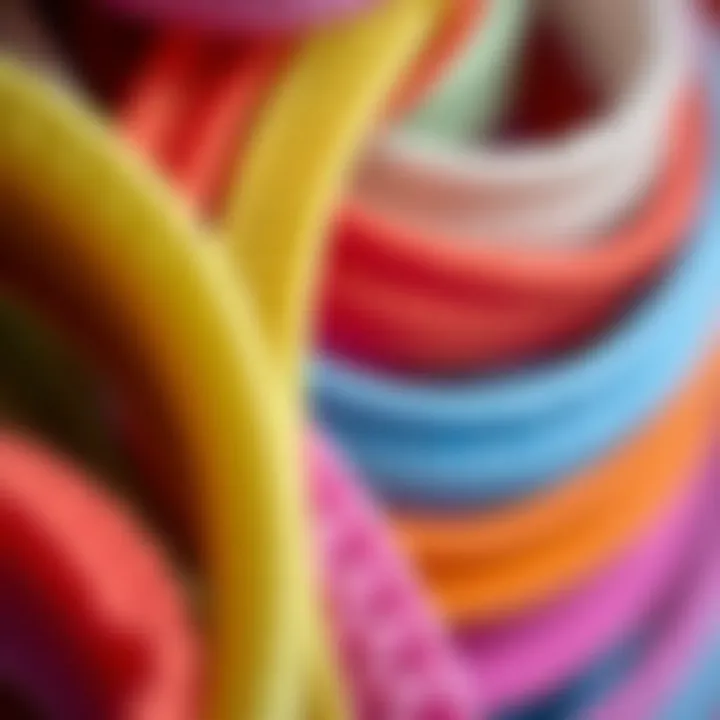
- Customization: Personal expression is at the forefront. Loop strips in vibrant colors and varying textures allow wearers to personalize their looks. This trend aligns with the rising demand for individuality in fashion.
Influential Style Icons
Several style icons have embraced the loop strip trend, showcasing their versatility and appeal. Consider the following:
- Rihanna: Often seen donning outfits featuring striking loop strips, Rihanna blends edginess with elegance, advocating for bold fashion choices.
- Billy Porter: His fashion statements often blur gender lines, using loop strips as a means to emphasize creativity and self-expression, reinforcing that fashion should be boundaryless.
"Fashion is a way to say who you are without having to speak." - Rachel Zoe
These influencers spotlight the broader cultural relevance of loop strips, encouraging a more expressive approach to fashion.
Sustainable Practices
As the fashion industry pushes towards sustainability, loop strips are also adapting, reflecting a growing emphasis on eco-friendly practices.
Eco-friendly Fabrics
Sustainable loop strips often incorporate materials like:
- Organic Cotton: Free from harmful pesticides, this fabric is not only gentle on the skin but also on the earth.
- Recycled Polyester: Utilizing post-consumer plastic waste, this option provides a way to contribute positively to the environment without sacrificing quality.
- Hemp and Bamboo: Both fibers offer natural durability and are biodegradable. Incorporating these into loop strips can make a considerable difference in sustainability.
Ethical Fashion Brands
Several brands have taken strides towards ethical manufacturing of loop strips, ensuring that their practices align with environmentally friendly principles. Notable mentions include:
- Patagonia: Renowned for commitment to sustainability, Patagonia uses recycled materials for its loop strips in various collections.
- Reformation: This brand champions eco-conscious fabrics, balancing trendy aesthetics with responsible sourcing in their loop strip designs.
In summary, loop strips not only serve aesthetic purposes but also embody a movement towards more sustainable and ethical fashion practices. As trends evolve, so too does the role of loop strips within the garment industry. With an understanding of their significance, both aesthetically and environmentally, one can appreciate the thoughtful craftsmanship and innovation behind every stitch.
Understanding Loop Strips
Loop strips, though small, play a significant role in the fashion industry, bringing together both form and function in many garments. Understanding these components is essential for anyone involved in fashion—from designers to consumers. They contribute to not only the functionality of a piece, such as providing support or adjustable fit but also enhance the overall aesthetic appeal. Through this exploration, we will delve into the definition, origins, and materials that make loop strips a noteworthy subject in contemporary fashion.
Definition and Origins
Loop strips, simply put, are strips of fabric, often elasticized, that are sewn into garments to serve various purposes. Whether it's helping to hold things together, adding flair to a piece, or providing elasticity, their origins can be traced back to practical needs in clothing design. Originally used in utilitarian garments, their functional heritage quickly evolved into a distinct design element seen in everything from high fashion to everyday wear.
The concept of loop strips likely started from practical applications, such as keeping straps in place or fastening layers together. As fashion progressed, these humble strips morphed into a critical design choice, showcasing just how well functionality can blend with style.
Material Composition
Loop strips come in a variety of materials, each with its own merits, that directly affect their durability and aesthetic appeal. Examining the composition of these strips provides insight into their diverse applications in clothing design.
Natural fibres
Natural fibres, like cotton and linen, offer loop strips a level of comfort that synthetic materials sometimes lack. One key characteristic of natural fibres is their breathability, making them a popular choice for warm-weather garments. Because they are derived from plants or animals, these fabrics often come with an intrinsic softness that can enhance the wearer's comfort.
A unique feature of natural fibres is their biodegradability, making them a more eco-friendly option compared to synthetic materials. This renders them advantageous for sustainable fashion practices, as they do not contribute as heavily to landfill waste. However, they may not always provide the same level of elasticity as synthetics, which can be a notable disadvantage in certain applications.

Synthetic fibres
On the flip side, synthetic fibres, such as polyester or nylon, bring their own sets of advantages. A standout attribute of synthetic materials is their strength and resilience, making them excellent for loop strips that require durability. With synthetic fibres, you get moisture-wicking properties, which is imperative for athletic wear, as they help in keeping the body cool and dry during vigorous activities.
The unique aspect of synthetic fibres is their ability to retain shape and elasticity, allowing loop strips to stretch without losing their form. However, they come with a caveat; the environmental impact associated with their production is significant. Many synthetic fibres are derived from petrochemicals, which raises concerns about sustainability in the fashion industry.
Blend materials
Blend materials leverage the strengths of both natural and synthetic fibres, providing a balanced approach to loop strips in fashion. One primary characteristic of blended materials is that they often offer increased durability without sacrificing comfort. For instance, a cotton-polyester blend can provide both the breathability of natural cotton and the resilience of synthetic polyester.
The notable feature of blended materials is their versatility, allowing for various applications in fashion design. They can be specifically tailored to meet the needs of different garments, whether that be flexibility for active wear or luxurious texture for high-fashion pieces. However, one downside to blends is that they can complicate care instructions. For example, while natural fibres may be machine washable, blends can require more gentle cleaning methods to maintain their integrity.
In summary, understanding the diverse material composition of loop strips is crucial for anyone vested in fashion design, as it affects both the performance and appeal of garments.
Types of Loop Strips
When it comes to understanding loop strips in fashion, it’s crucial to delve into the various types available. Each type of loop strip serves a distinct purpose, influencing both the functionality and aesthetic of garments. By recognizing the differences, designers and consumers alike can make informed choices that enhance both performance and style.
Elastic Loop Strips
Elastic loop strips are highly valued for their versatility and adaptability. They possess the innate ability to stretch and return to their original shape, offering a snug fit. This elasticity makes them ideal for applications where comfort and movement are essential. For instance, in activewear, such as leggings or sports bras, the inclusion of elastic loop strips allows freedom of movement while providing the necessary support and structure.
Their use isn't restricted to athletic apparel, though. Many fashion-forward designs incorporate these strips in dresses and tops often seen in sports luxe or casual wear. The idea is to create garments that allow for both functionality and style without compromising on comfort. Elastic loop strips can also enhance the garment’s durability. They hold seams together securely, which is particularly beneficial in high-stress areas like cuffs or waistbands. This durability is vital for consumers who often find themselves juggling dynamic lifestyles.
Non-elastic Loop Strips
On the flip side, non-elastic loop strips offer a different set of advantages. These strips are usually made from more rigid materials and therefore do not stretch. While they may lack the elasticity that some designs require, their strength and firmness provide great structural integrity to garments. Non-elastic loop strips excel at maintaining the shape of clothing, making them perfect for structured pieces like tailored jackets or crisp shirts. Moreover, they often play a pivotal role in creating clean, defined lines in garments, which is essential for a polished look in fashion collections. In addition, they can be used for style elements like fastening mechanisms or loops that add an artistic touch to the overall aesthetic of the piece. For example, a jacket could feature non-elastic loop strips that serve both a functional and decorative purpose, ensuring that the garment stands out as a fashion statement while also being practical.
Decorative Loop Strips
Finally, decorative loop strips bring a whole new dimension to garment design. These types of loop strips often prioritize visual impact over functionality. Made from a variety of materials, including lace, satin, or even metallic threads, they can transform an ordinary piece into something extraordinary. The appeal lies not just in their aesthetics but also in their versatility. For instance, a simple top can be elevated into a work of art by strategically placing decorative loop strips that introduce different textures or colors. As the fashion industry increasingly leans towards unique, eye-catching designs, the role of decorative loop strips becomes even more significant. They provide designers with a tool to express creativity and individuality while allowing wearers to showcase personal style. Often found in high-fashion collections, these strips can embody the essence of the brand, drawing from cultural influences or modern trends.
In essence, exploring the various types of loop strips enables fashion enthusiasts and designers to appreciate their unique characteristics and applications. Whether for function or flair, loop strips have carved a niche within the textile and garment sectors, making them integral to modern fashion.
Applications in Fashion
The use of loop strips in fashion transcends mere aesthetics, weaving together functionality and style in a symbiotic relationship. These strips play a pivotal role in how garments are constructed, allowing for innovation and creativity that meets the ever-evolving needs and desires of consumers. By examining the various applications of loop strips, we delve into their significance in enhancing both the practicality and visual appeal of garments.
Functionality in Garments
Supportive elements
Loop strips serve as a foundational component in the design of many clothing items, offering supportive elements that elevate garment functionality. Primarily, these strips provide an unseen backbone, crucial for items like active wear and structured jackets. The key characteristic here is their ability to distribute weight evenly, which offers necessary structural support without compromising comfort.
When designed into a garment, supportive loop strips help maintain the desired shape, preventing the fabric from losing its form through wear and tear. This is particularly beneficial for items frequently worn during movement, such as sports bras or tailored coats. One unique feature of these supportive elements is their capacity to enhance body contours, which can lead to a more flattering silhouette. However, the potential downside lies in actual comfort if the strips are not adequately adjusted or carefully placed, which could result in irritation.
Adjustable features
Another significant component of loop strips is their adjustable features, allowing for garments to be tailored to individual needs. This adjustability is especially crucial in pieces designed for diverse body types and fashion preferences. A noteworthy attribute of adjustable loop strips is their versatility—garments equipped with these elements can easily move from casual to formal, making them a suitable choice for various occasions.
A distinctive feature of adjustable loop strips is their integration with elements like zippers or drawstrings, permitting instant alteration in fit. While this adds convenience and personal customization, a consideration is that complex designs can sometimes lead to confusion during fast adjustments, which could discourage wearers from utilizing this useful characteristic.
Aesthetic Enhancements
Color and texture applications
Beyond practicality, loop strips contribute substantially to the aesthetic appeal of garments. Color and texture applications of loop strips can sway the overall vibe of an outfit, influencing style perceptions amongst consumers. The incorporation of vibrant colors or unique textures can create a standout feature within a piece, signaling creativity and modernity.
This aspect of loop strips allows designers to play with layering techniques, ultimately creating visually rich products. A major advantage of using loop strips for this purpose is that they can add depth and dimension without overwhelming other design elements. Interestingly, while a bold color can assert uniqueness, overuse of intense hues might clash with broader fashion trends, balancing artistic expression with marketability—a fine line to walk in the fashion industry.
Use in layering
Loop strips also excel in contributing to layering strategies commonly found in fashion. By acting as connectors or fasteners between multiple layers, these strips facilitate structures that can adapt to varying climates and styles. Their ability to hold layers together while allowing movement is vital for achieving dynamic looks.
The unique quality of loop strips in layering is their capability to simplify complex designs, permitting a streamlined effect. While this is advantageous for creating clean lines, fashion designers must be wary of the weight that additional layers can impose on a garment. Over-layering can lead to bulkiness, detracting from the aesthetic finesse intended.
"In the intricate world of fashion, loop strips are not just components; they are the threads that weave functionality and beauty together."
In summary, the applications of loop strips in fashion highlight their vital role in enhancing both the functionality and aesthetics of garments. From supportive structures to adjustable features, and the subtle influence they have on color and texture, loop strips are integral to modern clothing design, catering to the discerning tastes of today's consumers.
The Role of Loop Strips in Sustainable Fashion
In today's fashion landscape, sustainability stands as a beacon for innovation, forging paths toward eco-friendly practices. Loop strips, often overlooked, play a crucial part in this evolving narrative. Their contribution reflects a commitment to the betterment of our planet, while enriching the functionality and aesthetics of garments. Emphasizing their role in sustainability, it is evident how these strips can influence not only design but also consumer responsibility and environmental impact.
Eco-friendly Materials
The heart of sustainable fashion lies in the materials used. Loop strips can be crafted from a variety of eco-friendly materials. These include organic cotton, which reduces the usage of harmful chemicals in its production, and hemp, which grows quickly and needs minimal water. Also notable are recycled polyester and nylon, which repurpose waste materials, reducing the need for virgin plastics.
- Organic cotton: Biodegradable and skin-friendly.
- Hemp: Durable, requiring little water and pesticides.
- Recycled polyester: Diverts plastic from landfills and oceans.
Using these materials results in a reduced carbon footprint, promoting a healthier planet. Fashion designers are increasingly leaning toward these sustainable options, and as a result, loop strips become a visible representation of this commitment. They can enhance the quality of a garment while also aligning with consumers' growing values around sustainability.
Waste Reduction Techniques
Another pivotal aspect of loop strips in sustainable fashion is their contribution to waste reduction techniques. Various strategies can incorporate loop strips more efficiently within the garment production process, minimizing leftover fabric and maximizing usability.
For instance, manufacturers can employ:
- Pattern efficiency: Designing garments using loop strips in patterns that limit fabric waste.
- Zero-waste fashion design: Creating pieces where every scrap of fabric is utilized, including the sections used for loop strips, thus ensuring that nothing goes to waste.
- Modular designs: Encouraging customization where consumers can alter or exchange loop strips, prolonging the life of clothing and reducing the need for new garments.
By focusing on these techniques, the reliance on new materials decreases, effectively combatting fashion waste problems that plague the industry. The shift towards using loop strips not only signifies a movement toward sustainability but also showcases a fundamental understanding of design as a responsible practice.
"Choosing sustainable materials and efficient production techniques is not just a trend; it's a necessity for the survival of our planet."
In this growing niche of sustainable fashion, loop strips emerge as more than a mere functional component; they embody an ideology committed to eco-consciousness and innovation, creating a harmonious blend of style and responsibility.
Challenges in Loop Strip Production
The production of loop strips in fashion is not without its hurdles. As designers and manufacturers increasingly turn to loop strips to enhance both the functionality and aesthetics of garments, acknowledging the challenges in this area is indispensable. These challenges span across various aspects, from supply chain issues to concerns about the durability of the strips. Addressing these difficulties is crucial for ensuring the continued evolution and acceptance of loop strips in the fashion industry, ultimately shaping consumer experiences and the market landscape.
Supply Chain Issues
When diving into the supply chain of loop strips, one can encounter a tangled web of complexities. The source of materials, whether natural or synthetic, plays a significant role in the efficiency and reliability of production. For instance, the availability of high-quality cotton or innovative synthetic fibers can fluctuate due to various factors such as agricultural conditions or market demands.
- Sourcing Consistency: The challenge often lies in maintaining a consistent supply of materials. Manufacturers might struggle with irregular shipments or quality variations, leading to production delays.
- Regional Limitations: Some of these materials are only produced in specific regions, making transportation logistics critical. Shifts in trade policies or environmental regulations can further complicate sourcing from these regions.
- Cost Fluctuations: As demand rises and falls, the prices of raw materials can become unpredictable, creating budget strains for smaller brands trying to maintain competitive pricing without sacrificing quality.
"Understanding supply chain challenges not only helps mitigate risks but can also lead to innovative solutions that strengthen the production process."
Durability Concerns
The longevity of loop strips is another crucial factor affecting their adoption in fashion. While they offer many advantages, their ability to withstand wear and tear is often called into question.
- Material Integrity: The type of material used can greatly influence durability. For instance, natural fibers may offer comfort but might age faster than synthetic counterparts. Selecting the right blend, therefore, becomes essential.
- Functional Performance: In garments designed for active lifestyles, loop strips need to maintain elasticity and shape. If a loop strip stretches out or loses its form too quickly, it can diminish the garment's functionality, leading to consumer dissatisfaction.
- Environmental Impact: The concern over the environmental footprint of production processes is also tied to durability. Strips that require frequent replacement not only increase waste but also question the sustainability practices of brands.
To conclude, the challenges surrounding loop strip production must be recognized and addressed thoughtfully. From managing supply chain complexities to ensuring the durability of materials, these considerations can significantly impact the success and perception of loop strips within the fashion industry.
Care and Maintenance of Loop Strips
Understanding how to properly care for loop strips is crucial for maintaining their functionality and aesthetics in garments. Loop strips can wear down over time from repeated use and washing. Ensuring these materials are well looked after can significantly prolong their lifespan, ensuring that the garments remain not only fashionable but also functional.
Washing Guidelines
When it comes to washing loop strips, there are certain key pointers to bear in mind to avoid damage and maintain their integrity. Loop strips, depending on their material, can be sensitive to both water temperature and washing methods:
- Use Cold Water: Washing loop strip garments in cold water helps preserve their shape and color. Hot water can cause the fabric to shrink or warp.
- Gentle Cycle: Whenever possible, choose a gentle washing cycle. This minimizes friction that can fray or stretch the loop strips beyond repair.
- Avoid Bleach: Bleach can weaken the fibers in loop strips, making them more prone to breakage. Using mild detergents is advisable.
- Air Dry: After washing, it’s best to air dry garments. High heat from dryers can shrink or warp the loop strips, leading to functionality issues in the finished product.
"Taking the time to wash your clothes properly can make the difference between a durable and a disposable wardrobe."
Repair Techniques
In the unfortunate event that a loop strip sustains damage, knowing how to repair it can save a garment from the landfill. Here are some effective techniques:

- Sewing Loose Ends: If a loop strip has come undone, a simple stitch can often do the trick. Use a needle and thread matching the original color to sew back any loose ends. This keeps the overall appearance neat.
- Fabric Glue: For minor rips or separations that don’t bear too much stress, fabric glue can hold things together without extensive sewing. It’s crucial to let the glue dry completely before wearing.
- Patch Techniques: For bigger rips, consider using a matching patch over the damaged area. This not only fixes the problem but can also add a unique design feature to the garment.
- Professional Help: If the loop strips are intricate or part of a high-value garment, think about seeking professional tailoring services. They possess tools and expertise that can restore the garment to its former glory.
Maintaining and caring for loop strips can seem like a little extra work, but it pays off immensely in terms of durability and style. By incorporating smart washing techniques and learning easy repair methods, anyone can keep their loop strip garments looking fresh and new.
Trends Influencing the Use of Loop Strips
The landscape of fashion is continually shifting, shaped by various trends that reflect societal values, technological advancements, and shifting consumer priorities. Loop strips, an often-overlooked component in garment design, are increasingly prominent in this evolving industry. Their integration into fashion is influenced by broader trends that necessitate a closer look at their implications not just for designers, but also for consumers and sustainability advocates alike.
Market Trends
In recent years, the market for loop strips has been visibly buzzing with innovation. As brands strive to set themselves apart in a saturated market, loop strips have emerged as a tool for enhancing the functionality and appeal of apparel. Their versatility is being recognized across various segments, from high fashion to activewear. As companies explore new uses, loop strips have found their way into everything from workout leggings to stylish jackets.
Key markers that illustrate this trend include:
- Personalization: Many brands are now offering customizable loop strips that can be adjusted to fit individual styles. This trend allows consumers to tailor their garments according to their preferences.
- Sustainability: There's a growing demand for eco-conscious materials. More brands are sourcing loop strips made from recycled or organic materials, aligning with consumers' increasing desire for sustainable fashion.
- Tech Integration: Modern technology is being integrated into fashion. Loop strips are now being used alongside other innovations like smart textiles, allowing garments to adapt to the wearer’s movements or environmental conditions.
Consumer Preferences
Today's consumers are not just passive shoppers; they are informed individuals who actively shape the market with their preferences and demands. In the context of loop strips, consumer preferences reflect a blend of functionality, style, and sustainability.
Factors influencing consumer choices include:
- Functionality Over Form: Consumers increasingly seek practical elements in clothing. Loop strips that offer adjustable features or additional support resonate well with buyers who value utility.
- Aesthetic Appeal: The design of loop strips matters. Styles that incorporate bold colors or unique patterns have attracted a demographic that appreciates fashion as an expression of personal identity.
- Ethical Considerations: Shoppers are leaning towards brands that demonstrate ethical manufacturing processes. This shift necessitates transparency from companies regarding how their loop strips are produced and sourced.
"The trends surrounding loop strips are a reflection of our times, where consumers are empowered to make choices that align with their values, paving the way for industry-wide shifts that can’t be ignored."
Embracing these trends ensures that loop strips remain embedded in the fabric of modern fashion, influencing both how garments are created and how they are perceived by those who wear them.
Future of Loop Strips in Fashion
As fashion continues to evolve at breakneck speed, loop strips are stepping into the spotlight like a well-tailored suit. Their future is not just about maintaining aesthetics but also about enhancing function and sustainability. The significance of loop strips stretches far beyond the surface of garment design. This section examines the pivotal elements shaping the trajectory of loop strips in the coming years, with a focus on innovative materials and the integration of cutting-edge technology.
Innovation in Materials
One of the most exciting aspects of the future of loop strips lies in the innovative materials being harnessed. Designers are increasingly experimenting with sustainable fabrics that promise longevity and durability, sidestepping the traditional wastefulness often associated with fast fashion.
- Recycled Materials: Companies begin making loop strips from recycled fabrics, furthering the movement towards zero waste. This not only reduces landfill overflow but also promotes a circular economy. The idea of reusing textile waste to create something as versatile as loop strips is revolutionizing not just how garments are made but how consumers perceive sustainability.
- Biodegradable Options: Another trend is the use of biodegradable materials. Natural fibers like organic cotton and hemp are favored because they can break down over time, minimizing environmental impact. Their integration into loop strips aligns with growing consumer demand for eco-conscious choices.
Integration of Technology
Technological advancement stands to transform not just the fashion landscape but the very fabric of how loop strips function in garments. The integration of smart textiles and adaptive clothing points toward a future where functionality meets fashion in revolutionary ways.
Smart textiles
Smart textiles represent a leap into the future that is unfolding right before our eyes. These fabrics can sense environmental conditions, providing feedback to the wearer and adapting the garment accordingly. This characteristic makes smart textiles a popular choice for those seeking both utility and style.
The unique feature of smart textiles is their ability to incorporate electronic components, such as sensors and conductive threads, making them capable of temperature regulation, moisture control, and even health monitoring. While there are clear advantages, such as enhanced comfort and increasing functionality, the disadvantages include higher production costs and more complex care requirements. However, the potential to create garments that improve life quality is paving the way for acceptance and integration in mainstream fashion.
Adaptive clothing
Similarly, adaptive clothing is transforming how loop strips are used, especially for individuals with specific needs. The key characteristic of adaptive clothing is its design that allows for easier dressing and undressing, ensuring comfort and confidence for wearers.
The unique feature of this type of clothing is its inclusivity, often incorporating hidden openings, magnetic fastenings, and adjustable sizes that cater to a broader audience. This not only enhances user experience but also addresses the demand for accessibility within the fashion industry. However, challenges remain, including the need for aesthetic balance; not all adaptive designs have successfully translated into visually appealing garments.
In summary, the future of loop strips in fashion looks promising, driven by a wave of innovation. The blend of sustainable materials and technology adoption could shift paradigms, enabling fashion to serve both form and function more aptly than ever before.
"Sustainability and innovation in fashion aren't just a trend; they are becoming necessary in a world that demands change."
As we continue to navigate this tumultuous landscape, loop strips will likely remain at the forefront of this evolution, guiding both designers and consumers toward a more sustainable and functional future.
Epilogue
In summing up the intricate relationship between fashion and loop strips, it’s clear that these elements are more than just functional components dressed in materials. They signify a unique fusion of form and function, acting as a bridge between aesthetics and usability in garment design. Through the exploration of various types and applications of loop strips, we uncover their importance in providing not only structural support but also enhancing the visual appeal of clothing.
Loop strips have increasingly found a central place in the discourse surrounding sustainable fashion. This is largely due to advancements in material technology and eco-friendly practices that reduce waste during production. Not only do these strips allow for longevity in clothing through easy adjustments, they also emphasize the commitment of brands to a more resource-conscious production model. The emergence of durable loop strips made from natural fibers or recyclable materials has invigorated consumer interest, sparking a trend toward more environmentally responsible purchasing decisions.
"Innovative practices embrace a future where fashion can be both beautiful and sustainable, with loop strips paving the way for this transformation."
As we reflected throughout this article, the integration of loop strips into everyday fashion illustrates just how critical design elements can shift perceptions of clothing functionality and aesthetics. Their diverse applications—from supporting structure in garments to layering in creative ways—demonstrate their versatility. For designers, understanding the impact of loop strips not only assists in creating more innovative garments but also enhances their market appeal. In turn, consumers who are increasingly aware of environmental impact may find that items featuring well-designed loop strips resonate more with their values, creating a ripple effect that benefits the entire fashion landscape.
All in all, the closing thoughts on loop strips encapsulate a broader narrative about the evolution of fashion practices, sustainability, and the continuous cycle of innovation that keeps the industry vibrant. As new materials and technology emerge, loop strips are set to evolve as pivotal elements, further establishing their role in the modern wardrobe.