Exploring Running Shoe Covers: Style and Functionality
Intro
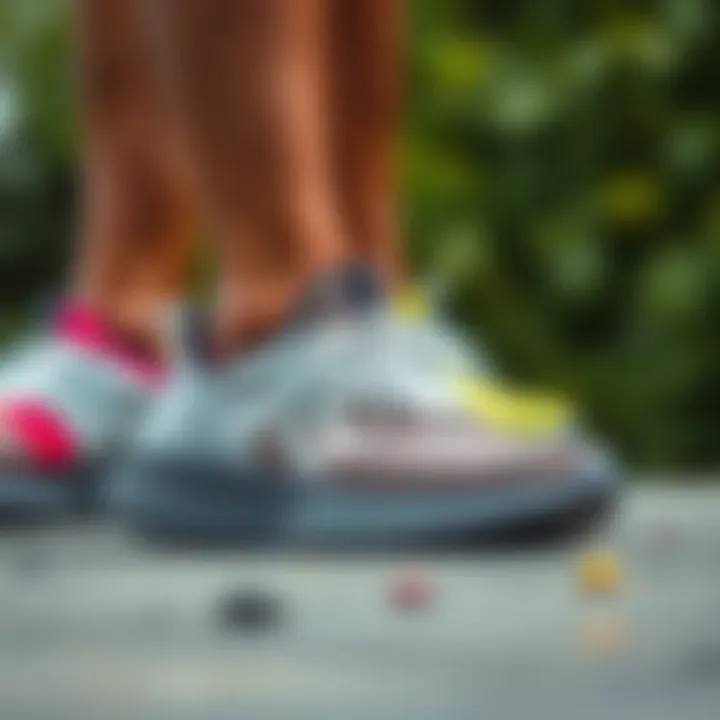
In the competitive world of running, where every detail counts, the accessories worn can make a significant difference. Among these, shoe covers stand tall as unsung heroes, serving both practical and aesthetic purposes. As runners hit the pavement or the trails, these covers act not merely as add-ons but as essential components of their gear. Understanding the range of functions that shoe covers fulfill provides insights not only into enhancing performance but also in elevating one’s style. The blend of functionality and fashion is becoming increasingly important for enthusiasts who want to look good while they jog.
The Purpose of Shoe Covers
Shoe covers for running shoes are designed to protect them from the elements, be it mud, rain, or snow. But let’s not kid ourselves; runners often want to sport something that looks sharp at the same time.
- Protection: From harsh weather to wear and tear, covers shield shoes from external elements.
- Style: Choosing the right cover can express individuality and add flair to the usual running outfit.
- Performance: Innovative materials can even assist with aerodynamics or temperature regulation.
As we navigate through this article, we will delve into the current fashion trends influencing these covers and underscore the importance of sustainability in their design. Running enthusiasts today are not just concerned about their health; they’re also passionate about balancing performance with environmental responsibility. Let’s lace up and explore!
Fashion Trends
Current Seasonal Trends
The running scene, much like any fashion industry, is subject to ebb and flow. This year's trends have seen a pronounced move towards vibrant colors and bold patterns that resonate with a sense of youth and energy. Bright neons, pastel tones, and geometric designs are splashing across the covers of running shoes, merging style with the essence of motion.
- Neon Brights: Jumping on the visibility bandwagon, these colors serve a dual purpose of ensuring runners can be seen in low light while making a bold statement.
- Earthy Tones: Counteracting the bright colors, earth-inspired shades like olive green or dusty rose are gaining traction, promoting a return to nature vibes.
- Layering and Textures: The appeal of layered materials, with different textures playing off each other, adds depth to the visual appeal without compromising functionality.
Influential Style Icons
Several athletes and fashion figures have taken the forefront in showcasing shoe covers that blend both functionality and aesthetic appeal:
- Serena Williams: Not just a tennis superstar, Serena has vocalized her love for athletic shoes adorned with stylish covers, often seen in floral prints and unique textures.
- David Beckham: Known for his style influence off the field, Beckham's choice of meticulously designed covers often sets trends among male runners, merging sport with streetwear.
- Chance the Rapper: A known advocate for fitness, his colorful, expressive aesthetic has played a role in popularizing vibrant shoe covers among the younger crowd.
"Style is a way to say who you are without having to speak." - Rachel Zoe
These icons underscore the movement where athletic gear intersects with fashion, reshaping what running gear looks like and how it is perceived.
Sustainable Practices
Eco-friendly Fabrics
As the shoe cover industry pivot more towards sustainability, an increasing number of brands are turning to eco-friendly materials. Organic cotton, recycled polyester, and even biodegradable fabrics are coming into play. Notably:
- Recycled Materials: Companies like Adidas are creating shoe covers from plastic waste collected from oceans, providing runners with a conscious choice.
- Natural Fibers: Bamboo and hemp are gaining recognition not just for their minimal environmental impact but also for their breathability and comfort.
Ethical Fashion Brands
There’s a burgeoning list of brands that align their business models with ethical practices. One such example includes SAXX, known for their sustainable approach toward athletic wear, and their shoe covers exemplify this ethos as well. Such brands ensure fair labor practices, contributing to the broader conversation on ethical fashion in the sportswear domain.
To effectively explore more about this trend, one might visit resources like sustainability at Adidas; there, the commitment to ethical production is laid out clearly, inspiring consumers to make informed choices.
Understanding the Purpose of Shoe Covers
Shoe covers might not be the most glamorous accessory in a runner's kit, but they serve several vital functions that can significantly enhance the running experience. Whether it's protecting your shoes from harsh conditions, extending their lifespan, or simply adding a dash of flair, understanding the purpose of these covers is essential for anyone serious about their running game. Making informed choices about shoe covers not only preserves your investment in quality footwear but also allows your personal style to shine through.
Protection from Elements
When it comes to running, our footwear bears the brunt of environmental factors—from rain and mud to snow and rocks. Shoe covers act as a shield, protecting your shoes from moisture, dirt, and debris. For instance, waterproof covers are invaluable during those unexpected downpours, ensuring that your shoes remain dry and functional, so you can keep pounding the pavement despite the weather. Imagine navigating puddles and muddy paths without worrying about ruining your favorite pair of sneakers!
The effectiveness of a shoe cover in protecting against moisture can depend on its fit and material. A well-fitted cover keeps elements at bay while also preventing any unnecessary slippage. A flimsy cover can actually lead to more exposure if it shifts out of place during a run. Opting for a reliable design that hugs your shoe can mean the difference between soggy socks and a comfortable run.
Enhancing Durability
The wear and tear on running shoes can add up quickly, particularly for those who clock in high mileage. Investing in shoe covers can extend the lifespan of your running shoes remarkably. By creating a buffer against the elements and rough terrains, these covers minimize visible damage, such as scuffs or scratches, that could alter the shoe’s performance and aesthetic appeal.
Additionally, if you're running in particularly tough conditions—like gravel trails or rocky terrains—a sturdy shoe cover can provide an extra layer of protection, ultimately prolonging the need for new footwear.
Interestingly enough, regular use of shoe covers can help mitigate the effects of dirt build-up, which can often lead to faster deterioration of shoes. A clean shoe not only looks better, but it functions better, too. Overall, shoe covers can lessen the need for frequent replacements, saving you money in the long run.
Style Statement
In the world of athletic gear, fashion increasingly mingles with functionality. Shoe covers are no longer just practical; they can be a bold style statement as well. With a plethora of designs, colors, and patterns available, runners can express their individuality while enjoying the practicality that shoe covers offer.
A stylish pair of shoe covers can elevate your entire running outfit. It’s like putting the cherry on top of a sundae; when you present yourself in a way that feels true to your style, you’re bound to feel good while you run. Some brands even collaborate with designers to create limited edition covers that reflect current fashion trends, appealing to those who see athletic wear as an integral part of their wardrobe.
In summary, understanding the purpose of shoe covers encompasses more than just their functionality. It touches on the protection they offer against the elements, the added durability they provide for expensive footwear, and the style they can inject into an otherwise utilitarian outfit. Choosing the right shoe covers can make a significant impact on both performance and fashion, making them an essential consideration for any serious runner.
Types of Shoe Covers Available
When it comes to the world of running shoe covers, variety is the name of the game. Differently designed covers address unique needs, whether for performance under specific weather conditions or to make a fashion statement. Understanding the types available not only helps runners make informed decisions but also enhances their overall experience while on the move. The right cover can amplify functionality and style, making it crucial for runners and enthusiasts alike to know what their options are.
Waterproof Covers
Waterproof covers are essential for those brisk morning runs or unexpected rain showers. These covers keep your shoes dry, allowing you to focus on your pace, rather than your soggy socks. Often made of materials like nylon or polyurethane, they provide a barrier against moisture. Moreover, they have sealed seams and waterproof zippers to further keep the water out. Here are some notable benefits:
- Keeps Feet Dry: No one enjoys running with wet feet. A good waterproof cover can prevent that discomfort.
- Enhanced Grip: Many waterproof designs come with soles that ensure better traction, even on slick surfaces.
- Versatile Use: Perfect for a variety of weather, they are suitable for city runs or trail paths.
Without a doubt, investing in a quality waterproof cover pays off on those rainy days.
Thermal Covers
When temperatures dip, thermal covers come into play. These covers are typically lined with insulating materials that trap warmth, preventing your toes from turning into ice blocks. A runner's performance can seriously falter in the cold, but thermal covers ensure you can keep going, no matter the chill. Key advantages include:


- Heating Properties: They maintain body heat, which is crucial when you’re running in frigid conditions.
- Comfort and Flexibility: Unlike bulky alternatives, many thermal covers offer a snug fit without restricting movement.
- Wind Protection: Often resistant to wind chill, they shield feet from the biting cold, allowing runners to train effectively in winter months.
With these covers, cold weather doesn't have to mean couch time.
Reflective Covers
Safety is paramount in running, especially during dawn or dusk. Reflective covers serve as a safety feature, ensuring you remain visible to others. These covers are often constructed with reflective materials that illuminate under light, providing an added layer of security. Consider these aspects about reflective covers:
- Increased Visibility: Reflective materials catch light, making you easily seen by passing cars or cyclists.
- Stylish Design: Not only practical, many reflective covers boast modern designs, merging fashion and functionality.
- Multi-Season Use: Perfect for all year round, they are especially effective in low-light situations, even in foggy conditions.
With reflective covers, you can hit the pavement confidently, knowing you’re seen.
Lightweight Covers
For runners who prefer an unencumbered feel, lightweight covers are a game changer. These covers are crafted from ultra-thin materials that offer protection without the bulk, making them invisible while you run. Benefits include:
- Flexibility: They allow for natural foot movement, making them feel barely there.
- Breathability: Often designed to wick moisture away quickly, they help keep your feet dry and cool.
- Portable: Due to their lightweight nature, they can often be packed away easily without taking up much space, perfect for travel or gym bags.
In essence, lightweight covers provide a seamless running experience without sacrificing protection.
Understanding the distinct types of shoe covers available can help every runner select the right pair for their needs, blending performance with fashion seamlessly.
"Selecting the right type of shoe cover can not only enhance your running experience but also play a crucial role in protecting your investment in quality footwear."
For additional information on running gear and shoe covers, check out Wikipedia, or join discussions on platforms like Reddit.
Material Selection for Shoe Covers
When it comes to a well-rounded view on running shoe covers, the material is at the heart of everything. This is not just about how they look; it's about how they perform. The right material can mean the difference between a shoe cover that withstands rain or snow and one that gives up the ghost at the first sign of trouble. Moreover, with so many materials hitting the market, understanding which ones provide what benefits can elevate the running experience significantly.
Choosing the best material for shoe covers affects protection, comfort, and longevity. Let’s dive into the key types of materials commonly used.
Synthetic Fabrics
Synthetic fabrics dominate the running shoe cover scene, a choice for many who need durable, weather-resistant options. These materials, like nylon, polyester, and Gore-Tex, have numerous benefits. They are typically lightweight, water-resistant, and quick-drying, which is a game changer during those unexpected storms.
- Durability: They often boast high tensile strength, making them resistant to tears and stretches.
- Water Resistance: Many synthetic options are treated to repel water, ensuring feet stay dry even in wet conditions.
- Affordability: Generally, synthetic covers are less expensive than their natural fiber counterparts.
However, one must consider the breathability factor. Not all synthetic materials could let enough airflow through, leading to a sweaty mess. Finding a balance between protection and breathability is key, especially for long runs.
Natural Fibers
Natural fibers, like cotton or wool, have their dedicated following, often for their comfort and eco-friendliness. While these materials might not offer the same level of waterproofing as synthetics, they do have their advantages.
- Comfort: Most runners appreciate the softness against the skin, making them enjoyable to wear.
- Breathability: Natural fibers tend to allow moisture to escape, reducing that clammy feeling.
- Biodegradable: When it comes to environmentally-friendly fashion, natural fibers usually have an edge, decomposing easier than synthetics.
On the flip side, they can hold onto water, causing the cover to become heavy and wet rather than dry quickly. This consideration is vital for runners facing unpredictable weather. Knowing when to use natural fibers versus synthetic ones can impact the run significantly.
Recycled Materials
A more recent player in the shoe cover game is recycled materials, an exciting choice for those environmentally conscious runners. These materials often come from recycled plastics or fabrics, potentially reducing waste and environmental harm.
- Eco-Friendly: Helps in cutting down on pollution by reusing materials that would otherwise end up in a landfill.
- Innovative: Brands pushing the envelope in shoe cover production, using tech-infused recycled materials, allow both function and sustainability to merge.
- Toughness: Many recycled options can match or even surpass traditional materials in durability, proving that sustainability doesn’t mean sacrificing quality.
The challenge often faced with recycled materials is ensuring they meet high performance standards, so checking for quality certifications can be helpful.
"The choice of material is as crucial as the design itself; it frames the experience of every runner."
As we navigate through the vast marketplace of running shoe covers, understanding material selection is paramount. Each material brings unique benefits and potential drawbacks, shaping how they perform under various conditions. In the next sections, we'll explore how design features complement materials to enhance the overall running experience.
Design Features of Running Shoe Covers
The design features of running shoe covers play a crucial role in ensuring both functionality and style. When it comes to selecting the right cover, factors such as fit, comfort, and breathability should be top of mind. Their importance can’t be overstated, as these elements can make a significant difference in a runner's experience.
Fit and Comfort
Finding a cover that fits snugly is essential. A well-fitted shoe cover contributes to the overall comfort, allowing runners to focus on their performance rather than dealing with irritations. Comfort is key, especially during long runs. A shoe cover that slides or wrinkles can lead to blisters or sore spots, turning a pleasant jog into a painful affair. The ideal shoe covers often incorporate features such as:
- Adjustable straps for a personalized fit.
- Soft lining that prevents chafing.
- Flexible materials that move with the foot.
Ultimately, it's about making sure the cover carries that second-skin feel without being too tight or restrictive.
Breathability
Breathability is another vital aspect. When runners hit the pavement, their feet generate heat. This heat needs to escape to avoid discomfort and sweating, which can be downright unpleasant. A cover that lacks adequate breathability can turn a refreshing run into a steaming mess. Look for covers that boast:
- Mesh panels allowing air circulation.
- Moisture-wicking materials that absorb sweat away from the skin.
- Ventilation systems designed to keep feet cool.
Choosing breathable covers means you can concentrate better on your pacing rather than your aching feet. Runners often overlook this feature, but ignoring breathability can be a grave mistake.
Ease of Use
Lastly, ease of use should be a significant consideration. Gear that requires a PhD to operate often ends up gathering dust in the corner. Shoe covers should be:
- Easy to slip on and off, even with damp hands.
- Lightweight so they don’t add unnecessary bulk.
- Machine washable for easy care and maintenance.

A product that emphasizes user-friendliness is likely to become a favorite tool in any runner's arsenal. The last thing you want post-run is a struggle to take off soaked and muddy covers. If they're convenient, they’ll be used more often, leading to enhanced durability and protection.
In summary, examining the design features of running shoe covers is essential for runners who take both functionality and style seriously. The fit, breathability, and ease of use are critical aspects that contribute to an overall quality product. Focus on these elements to ensure your running experience is as smooth as can be.
Environmental Considerations in Production
In today's world, the production of running shoe covers must consider its environmental impact. This section uncovers the importance of pure and sustainable practices in this niche of the footwear industry. With increasing awareness about climate change and eco-friendly practices, both consumers and manufacturers are under pressure to prioritize environmental considerations. These covers not only protect the shoes but also have implications for ecological sustainability and ethical production practices.
Sustainable Manufacturing Techniques
Sustainable manufacturing techniques play a pivotal role in reducing the carbon footprint associated with running shoe covers. From the design phase to production, implementing sustainable practices ensures that the environment is not unduly harmed. For instance, manufacturers can adopt processes that minimize waste, such as zero-waste pattern making, which reduces fabric scraps left behind during cutting.
Utilizing renewable energy sources in factories can also diminish the reliance on fossil fuels. Working with suppliers who are committed to ethical labor practices and environmental regulations is another crucial aspect. Here are some key elements of sustainable manufacturing techniques:
- Use of Eco-friendly Adhesives: Many traditional adhesives are harmful to both the environment and the health of workers. Eco-friendly alternatives can help mitigate these risks.
- Recycling Water: Techniques involving water recycling and purification reduce the intake of fresh water, conserving precious resources.
- Energy Efficiency: Implementing energy-efficient machinery and seeking certifications like ISO 14001 can pave the way towards greener production methods.
By embracing such techniques, manufacturers can diminish negative environmental impacts while producing high-quality shoe covers. This approach not only benefits the planet but also resonates with an increasingly eco-conscious market.
Impact of Materials on Sustainability
The choice of materials used in running shoe covers significantly affects their environmental sustainability. Materials such as organic cotton, recycled polyester, and biodegradable fabrics have gained traction for their less harmful impact compared to conventional options.
For example, recycled polyester, which is made from PET bottles, not only helps divert waste from landfills but also requires less energy to produce compared to virgin polyester. This transition towards recycling has a dual advantage: reducing plastic waste and conserving resources.
Moreover, natural fibers like hemp or organic cotton have lower environmental costs. They consume less water during cultivation and are typically farmed without harmful pesticides.
Considerations for materials include:
- Life Cycle Assessment: Understanding the entire life cycle of materials—from production to disposal—can guide consumers toward more sustainable options.
- End-of-life Options: Products that are designed for recycling or composting at the end of their life can significantly reduce waste.
- Carbon Footprint: Some materials may appear sustainable at first glance but may have a high carbon footprint through their production processes. Evaluating the full impact is key.
In summary, a thorough evaluation of materials and the processes involved in making running shoe covers highlights the path toward a sustainable future. For consumers and designers alike, prioritizing eco-friendly materials is not only a style choice but a responsible one that aligns with broader environmental objectives.
“As the world evolves, our choices in fashion should not be at odds with our responsibility to the planet.”
By championing sustainable production practices and responsible material selection, the running shoe cover market can work towards becoming more eco-friendly and in tune with the needs of state of our environment.
Choosing the Right Shoe Covers for Dissimilar Environments
Selecting the proper shoe covers for different environments is crucial for achieving the best performance and ensuring comfort and safety. Different terrains and weather conditions pose distinct challenges for runners. This section will unpack the rationale behind choosing specific shoe covers based on your running context, highlighting key benefits and considerations.
Urban vs. Trail Running
Urban running presents a unique set of challenges. The surfaces are often hard, and there may be debris like gravel, broken glass, or paint spills that can damage your running shoes. Choosing shoe covers designed for urban environments can provide the much-needed protection against these elements. Here are some specific aspects to consider for urban running:
- Material Durability: Look for covers made with reinforced materials that resist abrasions and cuts.
- Grip and Traction: Ensure your shoe covers have rubberized soles or material that enhances grip, especially on slick surfaces like wet asphalt.
- Visibility: Given the hustle and bustle of urban areas, reflective covers can enhance your safety by making you more visible to motorists and pedestrians, especially during twilight hours.
On the other hand, trail runners often encounter varied terrains such as mud, rocky paths, and steep inclines. Therefore, the requirements for trail shoe covers differ. Consider these factors:
- Water Resistance: Trail running can often lead to muddy or wet conditions. Waterproof covers can keep your shoes free from mud and moisture.
- Breathability: While protection is key, your feet will sweat during intense physical activity. Look for breathable materials that allow for ventilation.
- Ankle Support: Some trail covers come with extended fittings that provide added support and protection for the ankles.
So, whether you’re navigating city streets or tackling rugged paths, the right shoe covers can significantly impact your performance and comfort.
Cold Weather vs. Warm Climates
When the seasons change or you find yourself in different climatic zones, your shoe covers should adapt accordingly. Cold weather adds layers of complexity to your running experience, where insulation and protection from the elements are paramount. In these scenarios, opt for shoe covers that feature:
- Thermal Insulation: Materials that trap heat can help keep your feet warm in frigid temperatures, preventing the discomfort that can arise from cold air and moisture.
- Waterproofing: Snow and slush can quickly turn a pleasant run into a soggy ordeal. Waterproof designs help keep your feet dry.
- Non-Slip Soles: Icy conditions necessitate covers with traction to avoid slips, which can be dangerous on hard surfaces.
In contrast, warm climates require a different approach. When the sun bears down, you need shoe covers that allow for breathability and moisture evaporation. Here are elements to keep in mind:
- Lightweight Materials: Choose covers that are thin yet durable, suited for hot conditions where heavier fabrics can lead to overheating.
- Ventilation: Features that promote airflow can help keep your feet cool, reducing sweat buildup.
- UV Protection: Some shoe covers come with added protection against the sun's rays, helping to prevent overheating and skin damage.
Adapting your shoe covers for varying environments not only enhances your overall running experience but also extends the lifespan of your footwear, which is an investment worth considering.
"Choosing the right footwear accessories is as essential as the shoes themselves, influencing both your comfort and performance."
Whether you are navigating the sidewalks of a busy city or hitting the trails in the heart of nature, understanding the differences between environments can guide you to make informed choices. Always consider your specific needs and conditions when selecting your shoe covers, and your feet will thank you for it.
Care and Maintenance of Shoe Covers
Shoe covers serve a crucial role in enhancing the lifespan and functionality of your running shoes. Just like any other gear, proper care and maintenance can significantly impact not only their performance but also their appearance. Maintaining shoe covers ensures they remain effective in protecting your footwear from the elements while also retaining their stylish edge.
Cleaning Guidelines
To keep your shoe covers in tip-top shape, cleaning them should be a regular part of your routine. After each use, especially if you've been through muddy trails or rainy conditions, it’s wise to wash them. Here are some steps to consider:
- Shake Off Debris: Start by shaking the covers to remove loose dirt or debris. You want to get as much off as possible before any washing.
- Spot Clean: For stubborn stains, use a mild detergent with a soft cloth or a sponge. Gently scrub the affected areas without being too aggressive; after all, you don't want to damage the material.
- Machine Wash Considerations: Some covers are machine washable, but do check the label first. If allowed, use a gentle cycle with cold water and be cautious about mixing them with other heavy materials that may snag.
- Air Dry: Avoid putting them in the dryer, which may warp or damage materials. Instead, hang them up to dry in a well-ventilated area.
These simple routines can prolong the life of your shoe covers, keep them looking fresh, and ensure they perform optimally when you're on the run.
Storage Recommendations
When it comes to storing your shoe covers, a little thought goes a long way. Here are some strategies to consider:
- Keep Them Dry: Always ensure that your shoe covers are completely dry before storing them. Dampness can lead to mold or unpleasant odors, a real downer for your favorite running gear.
- Avoid Direct Sunlight: Prolonged exposure to sunlight can fade colors and weaken certain materials over time. Consider using a dark, cool place for storage.
- Use Original Packaging or a Bag: If possible, store them in their original packaging. Alternatively, a breathable bag can provide a protective layer against dust and moisture.
- Separated from Other Gear: If you have several pieces of gear, keep your shoe covers separate to avoid any unnecessary wear from friction with other items.


These tips can help you to maintain not only the functionality of your shoe covers but also their aesthetic value. By caring for your covers properly, you can enhance both their usability and style, ensuring that they remain a worthy companion on every run.
Remember, a little care goes a long way. Your running shoe covers protect your shoes; it's only fitting to return the favor!
Trends in Shoe Covers for Runners
The landscape of running shoe covers is ever-changing, reflecting advances in both technology and fashion. As runners seek benefits that range from protection to aesthetic appeal, understanding the latest trends becomes essential. These trends not only cater to performance needs but also allow individuals to express their personal style. Exploring what’s current in this realm can lead to informed choices, enhancing the running experience while keeping up with shifts in the market.
Technological Innovations
With the rise of new materials and advanced manufacturing techniques, the world of shoe covers is witnessing a technological revolution. The following innovations are noteworthy:
- Smart Materials: Recent developments have introduced materials that adapt to varying temperatures and moisture levels. For instance, there are covers that boast moisture-wicking properties but also keep the feet warm during colder runs.
- Nano-coatings: Coatings at a microscopic level can repel water and dirt more effectively than traditional materials. Products like the Nike Shield range exemplify this, keeping shoes dry and clean even in wet conditions.
- 3D Printing: More brands are exploring the feasibility of 3D printing for custom-fit covers. This technology will allow runners to have covers that mold perfectly to their shoe shape and size, eliminating common comfort issues.
- Integrated Features: Innovative designs now include features such as reflective strips for safety at night, GPS trackers embedded in the covers, or even pockets for small items like keys.
These innovations not only enhance functionality but also ensure that runners can stay stylish while benefitting from cutting-edge technology.
Fashion Influence on Athletic Gear
The shift in running gear from mere functionality to a fashion statement cannot be understated. Consumers now desire style as much as performance, leading to collaborations between athletics and high fashion. Consider these aspects:
- Color Trends: Bright and bold colors have made their way into shoe cover designs. Runners are opting for vibrant shades that stand out on the trails or roads, as seen in collections by Adidas or Under Armour.
- Collaboration with Designers: High-profile collaborations, like those of Puma with renowned fashion designers, showcase how athletic gear is crossing over into premium fashion. These collections often feature unique patterns and cuts, elevating running gear beyond conventional looks.
- Limited Editions and Exclusivity: The idea of exclusivity has taken hold in shoe covers. Brands have realized that launching limited editions creates a frenzy among fashion enthusiasts, making a simple accessory be perceived as a must-have item.
- Sustainability as a Fashion Statement: Eco-conscious designs are trending. Consumers are increasingly interested in shoe covers made from recycled materials or those produced through sustainable practices. Not only does this enhance the environmental aspect, but it also serves as a fashionable choice.
User Experiences and Reviews
Gaining insights from users is essential when evaluating running shoe covers. The experiences and feedback from athletes and consumers provide a real-world perspective that manufacturers usually cannot capture. Understanding how these covers perform in various scenarios contributes to informed choices, ultimately enhancing user satisfaction.
Athlete Insights
Athletes, whether elite or recreational, often express their preferences through firsthand accounts. The insights shared by these individuals revolve around several key factors:
- Performance: Many runners emphasize how different covers affect their overall performance. For example, an athlete might describe a waterproof cover that not only keeps feet dry but also doesn’t compromise breathability. Such accounts allow prospective buyers to gauge which features are most beneficial for their needs.
- Comfort: Comfort is paramount during a run. Athletes frequently comment on the fit of shoe covers, with many reporting that covers that snugly fit without adding bulk can transform their running experience. This is vital for anyone looking to enhance their performance without dealing with discomfort.
- Durability: The longevity of a product is another aspect athletes delve into. Reviews that discuss how well covers withstand wear and tear, particularly in varied environments, provide valuable benchmarks for potential buyers, ensuring that they invest in something that will stand the test of time.
Such insights not only inform your choices but elevate your training experience, helping you to avoid products that may fall short in performance or comfort.
Consumer Feedback
On the other hand, general consumer feedback complements the insights from athletes, offering a broader view of user experiences:
- Versatility: Casual runners typically weigh in on how shoe covers fit into their varied running environments. Feedback often highlights covers that are versatile enough for both urban running and nature trails. This is particularly useful for those who might not be specialized runners but are seeking quality for multiple conditions.
- Style and Fashion: Fashion enthusiasts take a keen interest in the aesthetics of shoe covers. Many consumer reviews touch upon not just functionality, but also how the colors, designs, and styles align with their personal flair. Users often appreciate functional products that look good while ensuring protection.
- Value for Money: Economic considerations can’t be overlooked. Consumer feedback often includes remarks on the pricing of different brands and models, clarifying what users feel is fair for the quality and longevity they receive. This helps others make informed financial choices, determining which products deliver best for their budget.
"The real test is not just in how a product performs during a run but how it becomes part of your running journey."
In summary, user experiences form a cornerstone of understanding running shoe covers. They shed light on the intricate balance between functionality and fashion, guiding potential buyers towards choices that enhance their running experience while meeting personal tastes. Regularly checking forums like reddit.com or specialized running gear websites can provide comprehensive reviews that inform your decisions even further.
Comparative Analysis of Leading Brands
Navigating the landscape of running shoe covers isn’t just about picking a name off the shelf; it’s about understanding which brands stand out in both performance and style. A well-rounded comparative analysis of leading brands provides significant insights into effectiveness and aesthetic appeal, shedding light on specific elements that can make or break the running experience.
By engaging in such analysis, consumers can make informed decisions that enhance both functionality and fashion. With the market filled with numerous options—from minimalistic styles to heavily padded designs—recognizing the nuances allows runners to find covers that meet their individual needs effectively.
Performance Metrics
When evaluating running shoe covers, performance metrics become a central focal point. These metrics can include:
- Water Resistance: The ability of the shoe cover to repel water is crucial for runners tackling wet conditions. Brands like Showers Pass and Gore offer high-rated water-resistant models known for their impermeability.
- Durability: The lifespan of a shoe cover directly affects the long-term investment. Materials like nylon or advanced synthetic fibers generally score high in wear and tear tests, providing value over time.
- Breathability: No one enjoys sweaty feet during a jog. Analyzing the breathability of various models can guide consumers to options that keep their feet comfortable over long distances. Companies like Salomon boast excellent airflow in their designs.
- Fit and Comfort: Proper fit is non-negotiable. Some brands, such as Asics, provide personalized sizing to accommodate a variety of foot shapes, enhancing overall comfort.
These performance metrics often fluctuate from brand to brand, and detailed comparisons help illuminate which may suit specific runner preferences or conditions best.
Pricing Structures
While performance is essential, budget also plays a critical role in decision-making. Thus, a comparative look at pricing is invaluable. Here’s a snapshot of how various brands position themselves price-wise:
- High-End Brands: Companies like Nike and Adidas often sit at the upper tier of pricing. Their products are loaded with cutting-edge technology, ensuring a premium feel and performance.
- Mid-Range Options: Brands like New Balance and Saucony strike a balance between performance and affordability. Their shoe covers often incorporate solid materials without breaking the bank.
- Budget-Friendly Choices: Emerging brands like Freet or DIY solutions found on platforms like Etsy can provide inexpensive options, appealing to casual runners or those seeking temporary solutions.
Knowing the pricing structures helps consumers sift through choices aligned with their financial considerations while still addressing performance needs. The balance between cost and quality can lead to better choices and satisfaction, as the buyer finds the best value relative to excellence.
"Understanding the landscape of running shoe cover brands is not just a task; it’s a strategic choice reflecting your style, environment, and personal needs."
The detailed comparison across brands compounded with performance evaluation and pricing structures empowers fashion enthusiasts, designers, and consumers alike. Being cognizant of these factors not only brings clarity to a crowded market but elevates the running experience, paving the way for informed and stylish selections.
Future Directions in Shoe Cover Design
The design of shoe covers is at a pivotal point in both functionality and aesthetics. Given the increasing emphasis on performance and environmental sustainability, the next chapter of shoe cover design has the potential to blend cutting-edge materials with practicality. This section reflects on how innovation is paving the way for shoe covers that not only protect but redefine style in the running community.
Evolving Materials
As technological advancements continue, the materials used in the production of shoe covers are transforming in exciting ways. The journey from traditional fabrics to modern, high-performance textiles marks a significant trend. For instance, the emergence of bio-engineered fibers is a game-changer, providing not only superior durability but also promising less environmental impact compared to their synthetic counterparts.
Imagine running with covers made from materials like Mylo, crafted from mycelium, which is the root structure of mushrooms. This innovative approach combines sustainability with function, allowing runners to protect their shoes without sacrificing our planet's resources. Moreover, innovations in moisture-wicking technologies and breathable fabrics mean that covers can now effectively manage perspiration, keeping feet drier and more comfortable during rigorous activity.
Additionally, self-healing materials are gaining traction, which have the ability to mend minor damages from abrasive surfaces or harsh weather conditions. Such advancements can significantly prolong the life of shoe covers, making them a worthwhile investment for serious athletes.
Functional and Aesthetic Balance
The intersection of function and style is crucial when considering the future of shoe covers. The traditional view of running gear being purely practical is fading. Today’s consumers desire to express themselves through their athletic wear. Therefore, the designs should not only address the needs of the runner but also resonate with their personal style preferences.
Customization options are another noteworthy trend. Imagine shoe covers with replaceable accents — colors, patterns, or even textures that can be swapped out according to one’s mood or outfit. This adds a unique flair that resonates with a young, dynamic audience while ensuring that the functionality remains a priority. Brands that balance practicality with stunning aesthetic designs are already setting a precedent, enabling runners to showcase their individuality without compromising on performance.
As the future unfolds, it's clear that the evolution of shoe cover design will involve a harmony of engineering, sustainability, and personal expression. Runners will increasingly expect covers that can handle the rigors of their sport while also allowing them to make personal statements about their style and values. Therefore, as both manufacturers and consumers move forward, the continual push for innovation will shape the way footwear accessories are perceived in the realm of fashion and functionality.
Maintaining the balance between function and aesthetics not only elevates the performance of athletic gear but also cultivates a deeper connection between consumers and their gear.
The advancements in materials and the focus on creating a visually appealing product will likely lead to future innovations that empower every runner to thrive in their activity while staying true to their unique style.