
Exploring Mini Treat Boxes: Functions and Design Insights
Intro
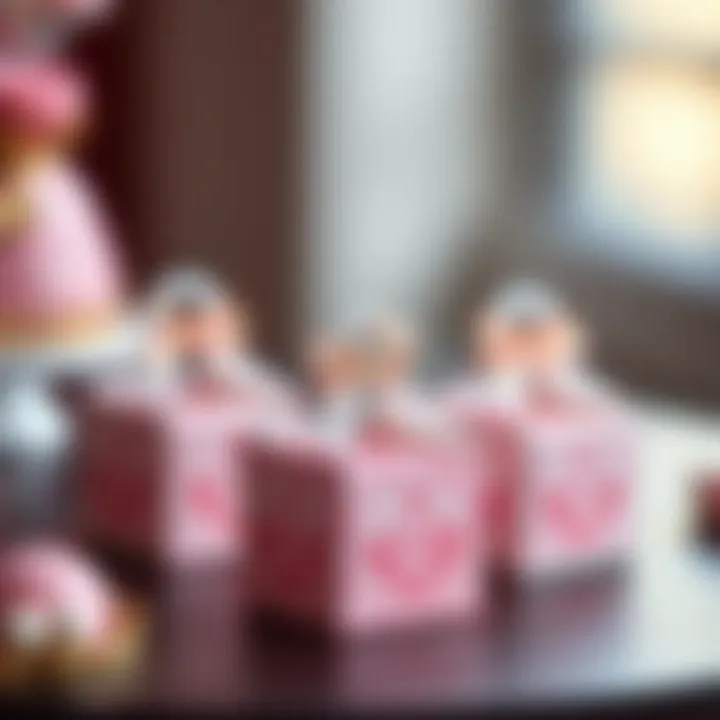
In recent times, the growing interest in gifting culture and personal expression has brought mini treat boxes to the forefront, capturing the imagination of both creators and users. These delightful containers serve not only as practical packaging solutions but also as a canvas for creativity. While they may appear small, the influence of mini treat boxes extends far beyond their dimensions, resonating with themes of sustainability, aesthetics, and cultural significance. This article sets out to explore various facets of mini treat boxes, focusing on their design, functions, and the role they play within contemporary gifting practices.
Fashion Trends
As fashion evolves, so do the ways individuals choose to present their gifts. Mini treat boxes find their place within this dynamic landscape, often reflecting current seasonal trends and the influences of notable style icons. The beauty of these boxes is evident in their ability to adapt to changing preferences while still maintaining a hint of timeless charm.
Current Seasonal Trends
When it comes to current trends, mini treat boxes are more than just containers; they are statements in their own right. For instance, during the fall season, you'll find warm earthy tones and rustic patterns that echo the ambiance of nature, enticing consumers to tap into the seasonal spirit. Meanwhile, spring often showcases vibrant pastels and floral themes, inviting a sense of rejuvenation and celebration into the gifting experience.
Some noteworthy trends include:
- Textures: Incorporating textures like burlap or metallic finishes adds depth and interest.
- Colors: Bright and bold tones are steering the creative direction, often inspired by the natural world.
- Themes: Holiday-themed boxes are gaining traction, playing on various celebrations and traditions.
Influential Style Icons
Celebrities and influencers continually shape gifting trends, and their endorsement of mini treat boxes is no exception. Consider how figures like Taylor Swift demonstrate thoughtful gifting with customized boxes filled with personalized treats, reflecting both style and substance. Similarly, popular social media personalities often share their unique packaging techniques, prompting their followers to embrace the art of gifting with flair. This ripple effect is significant, as it encourages a culture of creative expression and individuality in how gifts are presented.
Sustainable Practices
Shifting gears, the growing emphasis on sustainability has made eco-conscious design crucial within the mini treat box market. It’s not merely about what’s inside the box; it’s equally about the box itself. As more consumers become aware of their environmental impact, there’s an urgent need for alternatives that align with ethical values.
Eco-friendly Fabrics
The fabric used for mini treat boxes plays an integral role in their ecological footprint. Recyclable materials like kraft paper and organic cotton are becoming more prominent, giving consumers a guilt-free option when presenting gifts. Biodegradable elements and minimalistic designs help reduce waste, aligning with larger sustainable practices that many brands now uphold.
Ethical Fashion Brands
Several brands are paving the way for sustainable mini treat boxes. Companies that focus on ethical sourcing and environmentally friendly processes demonstrate the potential for marrying style with responsibility. Collaborations between artisans and sustainable fashion initiatives highlight the impact of thoughtful design.
- Brands like EcoBox emphasize reusable packaging.
- Green Treats focuses on all-natural materials and promotes recycling.
By embedding sustainable practices into the design of mini treat boxes, these brands contribute positively to the culture of gifting, making it more appealing and responsible.
"The choices we make in our gifting practices can either clutter or enrich our environment. Mini treat boxes offer a unique opportunity to combine aesthetics with eco-consciousness." - Fashion Sustainability Advocate
Thus, as we further explore the realm of mini treat boxes, it becomes clear that their functionality intertwined with design and sustainability not only enhances the gifting experience but also reflects broader societal values that resonate with today's consumers. The discussion ahead will delve deeper into how these aspects can inspire innovative design approaches that cater to a modern audience.
Prelims to Mini Treat Boxes
Mini treat boxes represent a fascinating intersection of functionality and design. By encapsulating small delights—whether it's baked goodies, trinkets, or promotional items—these boxes serve purposes that extend far beyond mere containment. With a growing inclination towards personalized gifting and creative packaging solutions, mini treat boxes have carved out a significant niche in both social gatherings and commercial endeavors. They not only elevate the presentation of items but also act as tangible expressions of thoughtfulness and care.
In the realm of gifting and events, mini treat boxes evoke a sense of anticipation and delight. They can be simple, with straightforward designs, or elaborate, featuring intricate patterns that catch the eye. The essence of these boxes lies in their ability to adapt to various contexts, catering to weddings, birthdays, or corporate events. Their versatility is a major factor contributing to their popularity, as they can be tailored to align with both the theme of an occasion and the personal taste of the recipient.
From an economic standpoint, businesses have begun to recognize the value of aesthetically pleasing packaging. Research shows that consumers are more likely to make a purchase when products are presented in visually appealing boxes. This article aims to explore the multi-faceted nature of mini treat boxes—from their design elements to their sustainable practices—ensuring a comprehensive understanding of their role in modern culture.
Mini treat boxes are not just containers; they're the icing on the cake in any celebration.
This exploration will help fashion enthusiasts, designers, and consumers recognize the impact of mini treat boxes—a small item that can carry significant weight in aesthetics, practicality, and sustainability.
Definition and Purpose
Mini treat boxes are compact packaging solutions designed to hold a variety of small items, often intended as treats or gifts. Their primary purpose centers around presentation and usability. For instance, a confectionery shop may use these boxes to showcase a selection of artisanal chocolates or a bakery could employ them for a variety of cookies during festive seasons. These boxes not only provide protection for the items contained within but also enhance the overall presentation, making the treats more enticing.
The practical uses range from commercial marketing strategies to personal gifting. For businesses, these boxes serve as a powerful branding tool; they capture attention, convey a brand's identity, and create an immediate connection with consumers. In personal settings, they express affection, gratitude, or celebration, acting as a vessel for memories—one that can be cherished long after the sweet contents have been enjoyed.
Historical Context
The evolution of mini treat boxes is as rich as their use today. Historically, packaging has always had a purpose—protection and presentation. Ancient civilizations used woven materials, such as reeds and grasses, to create containers, while the Egyptians famously crafted ornate boxes to hold precious items and offerings. As time progressed, materials evolved—wood, metal, and eventually paper and cardboard began to dominate.
In the 19th century, with the rise of mass production, packaging became a more integrated aspect of marketing. The introduction of printed designs allowed for branding opportunities long before the concept of branding became mainstream. Mini treat boxes as we know today gained traction alongside the growth of the confectionery and bakery industries, particularly during celebrations and festivities.
Today, as society becomes increasingly aware of sustainability, the historical narrative of mini treat boxes takes on another layer. The trend towards eco-friendly materials reflects changing consumer preferences, intertwining the legacy of practical design with a modern emphasis on environmental consciousness. This shift not only honors the past but also shapes the future of how we experience and utilize mini treat boxes.
Design Elements of Mini Treat Boxes
The design elements of mini treat boxes play a crucial role in their effectiveness as both functional items and visual delights. When it comes to discussing mini treat boxes, design is not just about looking good; it addresses practicality and the psychological aspects of gifting and presentation. The right combination of materials, sizes, shapes, and aesthetic choices ensures that these boxes not only serve a purpose but also elevate the overall experience of the recipient.
Materials Used
Cardboard
Cardboard is a favored material in the production of mini treat boxes. One of the many reasons for its popularity is its lightweight nature, which allows easy transportation without sacrificing sturdiness. Additionally, cardboard can be easily printed on, making it perfect for branding or personal messages. Its unique feature lies in the ability to mold into various shapes, increasing creativity in design.
The downside, however, is its susceptibility to moisture, meaning cardboard boxes may not be the best option for items that need to stay dry. Still, its reusability and recyclability make it a go-to choice for many.


Plastic
When considering durability and versatility, plastic has a lot to offer. This material is highly resistant to wear and tear, meaning that mini treat boxes made from plastic can often be reused multiple times without showing significant damage. The aesthetic quality of plastic can also enhance the circular design; it can be transparent or colored, allowing for a unique unboxing experience.
However, despite its benefits, plastic does face criticism for its environmental impact, which some consumers are increasingly concerned about. The challenge lies in balancing usability and sustainability.
Eco-Friendly Options
With sustainability at the forefront, eco-friendly materials are becoming increasingly sought after in the production of mini treat boxes. These materials include options like bamboo or recycled paper. The key characteristic of eco-friendly options is their reduced environmental footprint, appealing to consumers eager to make responsible choices.
A prominent advantage is their biodegradable nature, meaning once a consumer is done with the box, they can dispose of it in an environmentally conscious way. Whether it’s an innovative kaleidoscope of designs or the functionality of compostable materials, eco-friendly options provide a myriad of choices for the conscientious consumer.
Size and Shape Considerations
Standard Sizes
Standard sizes play an essential role in the usability of mini treat boxes. Retailers frequently use these sizes to streamline production and packaging. Having a set range of dimensions, such as 4x4 inches or 6x4 inches, allows for immediate identification and efficiency in inventory management.
Nonetheless, while convenience is a significant advantage, standard boxes may lack the distinctiveness that many brands seek to convey. This uniformity can sometimes lead to a less memorable presentation.
Custom Shapes
Custom shapes take the concept of mini treat boxes to another level, catering to specific themes or events. Think of a heart-shaped box for Valentine’s Day or a star-shaped one for celebratory occasions. The uniqueness of custom shapes allows brands to stand out in a crowded market, offering consumers something that feels personal and meaningful.
The downside might be the potential for increased costs in production and possibly longer lead times for creativity. Still, their distinctive appearance can lead to memorable gifting experiences.
Aesthetic Aspects
Color Schemes
A strong color scheme can evoke a range of emotions that enhance the gifting experience. Bold colors might convey excitement, while softer tones might articulate elegance or warmth. Brands that choose their color schemes wisely can create an immediate impact, making their boxes instantly recognizable.
Yet, it’s important to remember that not all colors appeal universally. What works for one demographic may clash with another’s taste. As such, selecting the right color palette requires a careful understanding of the target audience.
Graphics and Illustrations
Graphics and illustrations serve as a visual language, transforming simple boxes into art pieces that tell a story. From whimsical illustrations for kids’ parties to sleek, minimalistic designs for corporate uses, graphics greatly enhance the box's functionality. They can communicate brand messages and create memorable impressions.
However, there’s a risk of going overboard; too many graphics can make a box look cluttered. Clarity and purpose should always guide visual design to ensure the message is conveyed appropriately.
Practical Applications of Mini Treat Boxes
Mini treat boxes serve various practical purposes, making them highly valuable in numerous contexts. These containers, while small in stature, pack a mighty punch when it comes to their application in events, marketing, and gifting. They provide a unique way to present treats, enhance brand recognition, and cater to diverse occasions. Understanding their various practical uses can not only inform designers in creating more effective packages but also help consumers appreciate their versatility.
Events and Celebrations
Mini treat boxes are synonymous with celebrations and events, particularly highlighting their role in significant gatherings like weddings, birthdays, and corporate functions. Unlike generic packaging, these boxes add a special touch, making the treats feel unique and curated.
Weddings
When it comes to weddings, mini treat boxes play a special role. They often serve as favors, offering guests a sweet reminder of the special day. Their customizable nature allows couples to choose designs that align with the wedding theme, be it rustic, elegant, or whimsical. One key characteristic is that they can be filled with a variety of treats such as candies, chocolates, or even small baked goods. This versatility makes them a popular choice, ensuring that each guest leaves with something memorable.
However, one should consider that while mini treat boxes add charm, they can also increase costs. It is important for couples to balance their budget while seeking that perfect look.
Birthdays
In the realm of birthdays, mini treat boxes shine brightly as delightful additions to any celebration. They can be tailored to match a birthday theme with colors and designs that reflect the personality of the birthday person. The joy of receiving a beautifully decorated box filled with snacks or treats underscores the importance of thoughtfulness in gifting.
The unique feature here is the personal touch: options to add personalized messages or names can elevate the experience, promoting a sense of intimacy. However, there’s a downside; some may overlook the importance of quality over quantity, losing sight of the essence of the celebration.
Corporate Events
In a corporate context, mini treat boxes are emerging as a popular way to leave a lasting impression at events. They serve not only to provide snacks during meetings or conventions but also as branded giveaways. Companies utilize these boxes during product launches or client presentations to enhance brand recall. The simple act of offering something delicious can break the ice and facilitate conversations.
A major advantage of using mini treat boxes in this setting is their ability to communicate brand identity simply through effective design and content. On the flip side, there can be challenges in maintaining quality control; if the treats inside aren't up to par, they can misrepresent the brand’s values.
Retail and Marketing
The retail and marketing sectors significantly benefit from mini treat boxes. They can create memorable shopping experiences, translating to increased consumer satisfaction and loyalty.
Product Sampling
In retail, utilizing mini treat boxes for product sampling is a clever marketing strategy. Brands can introduce new products without overwhelming consumers with options. By presenting a small selection in an attractive box, brands catch the eyes of potential buyers. One key characteristic here is ease—small sizes make these boxes perfect for on-the-go sampling.
However, there's a downside; if the samples do not excite the customer, the effort can fall flat. Ensuring that what’s inside is as enticing as the packaging is essential.
Promotional Giveaways
Mini treat boxes are also widely used in promotional giveaways. They help to increase brand visibility while offering something delightful to potential customers. The key advantage is how effectively they can draw in attention during events, encouraging consumers to engage with the brand. Unique designs can turn heads, while the treats inside can create a positive association with the brand.


Yet, there is a challenge in distribution. If not planned effectively, promotional giveaways can lead to wastage, especially if the boxes do not reach the intended audience.
Ultimately, the practical applications of mini treat boxes extend beyond mere storage. They announce presence and convey care, making every treat feel like a gift.
Sustainability in Mini Treat Boxes
In today's fast-paced world, the call for sustainability rings louder than ever before. Mini treat boxes, once seen merely as decorative packaging, are now at the forefront of eco-conscious design. The importance of sustainability in this realm cannot be understated. Consumers are increasingly aware of the environmental impact of their choices. Hence, ensuring that mini treat boxes are made with sustainable materials is not just a trend but a necessity.
Eco-Friendly Materials
Recycled Materials
Recycled materials serve as a cornerstone for sustainability efforts in mini treat box design. These materials often come from post-consumer waste, making them a responsible choice. A key characteristic of recycled materials is their ability to reduce landfill waste as they are repurposed for new products. Choosing recycled cardboard or paper allows brands to minimize their carbon footprint. This eco-friendly option stands out because it transforms what could be waste into something valuable.
However, it’s essential to notice that while recycled materials often have lower environmental impact, their availability can fluctuate. Sometimes, not every manufacturer can access high-quality recycled options, potentially leading to inconsistencies in the product quality. Nevertheless, the long-term benefits certainly outweigh the challenges, making recycled materials a celebrated choice in sustainable packaging.
Biodegradable Options
Biodegradable options offer another layer of sustainability when it comes to mini treat boxes. These materials decompose naturally, breaking down into organic matter. This characteristic not only helps in reducing pollution but also enriches the soil once disposed. A popular choice among brands prioritizing an eco-conscious image, biodegradable materials often come from plant-based sources.
One unique feature of biodegradable options is their ability to align business practices with environmentally friendly values, enhancing brand loyalty among consumers who prioritize sustainability. That said, they may have a shorter shelf life than traditional materials, which poses a challenge for brands needing a longer-lasting product. Balancing functionality with environmental considerations is key for successful use of biodegradable options.
Consumer Impact
Shift in Buying Patterns
Consumer habits are rapidly changing, especially when it comes to sustainability. The shift in buying patterns reflects growing preference towards brands that showcase social responsibility. When individuals look for mini treat boxes, they now consider sustainability as a major factor influencing their choices. This shift is beneficial because it encourages businesses to innovate, offering eco-friendly solutions.
One notable aspect of this shift is the willingness of consumers to pay a premium for products that align with their values. However, this is a double-edged sword as brands must ensure that the quality of sustainably packaged products remains high to avoid alienating customers who may feel disappointed.
Awareness on Sustainable Packaging
Awareness surrounding sustainable packaging has soared in recent years. As consumers become more educated about the impact of plastic and non-biodegradable materials, they lean towards brands that prioritize sustainability in their packaging choices. This heightened awareness signifies a cultural change in consumer behavior and has far-reaching implications in the mini treat box market.
Importantly, effective communication of sustainability efforts plays a significant role in shaping consumer perceptions. Brands that demonstrate transparency about their sustainable practices foster trust. One downside, however, can be the greenwashing phenomenon, where companies exaggerate their eco-credentials to draw consumers in. It’s crucial for customers to look beyond marketing claims and dig into the real impact of the products they choose to support.
By integrating sustainability in mini treat boxes, brands are not only helping the planet but also aligning themselves with a new wave of consumer expectations.
Customization and Personalization
When it comes to mini treat boxes, customization and personalization play a significant role in making these containers truly unique. Tailoring a box to fit specific needs or preferences elevates not just the product itself but also the experience surrounding it. Choosing the colors, shapes, and designs also allows for deeper emotional connections, whether it’s for a business or personal occasion. Tailoring a treat box can truly transform its significance, making it resonate on a more personal or brand level.
Design Your Own
DIY Mini Treat Boxes
Creating your own mini treat boxes is a fantastic way to add a personal touch, reflecting individual creativity and intent. DIY mini treat boxes allow you to select materials, shapes, and finishes that align with your vision. This hands-on approach is appealing, especially for those who cherish the art of crafting or want to produce something distinctive for a celebration.
One of the main characteristics of DIY mini treat boxes is that they can be entirely tailored to fit an event's theme. For instance, using recycled paper and vibrant paints can transform a plain box into a colorful centerpiece for a child’s birthday party, or go for a minimalist design for a corporate gathering. The primary advantage in creating these boxes yourself is the immense satisfaction in being able to imprint your identity on your creations.
However, the downside is that DIY projects can be time-consuming, and mastery of craft skills is necessary for a polished finish. Also, for bigger events, production might become a monumental task. Not everyone has the luxury of time, so considering this is vital when opting for DIY solutions.
Online Customization Tools
On the other side of the spectrum, online customization tools offer a method to design mini treat boxes swiftly and efficiently. Websites dedicated to packaging customization often come equipped with user-friendly interfaces that allow customers to select designs, colors, and materials with just a few clicks.
The key characteristic of these online platforms is accessibility. They enables anyone to craft personalized boxes without needing crafting skills. For instance, tools from platforms like Vistaprint or Packlane allow users to visualize their designs in real-time, which is highly beneficial. You can see how your choices change the overall look, providing a form of instant gratification.
However, a potential drawback is that while they provide convenience, these options may lack the warmth and individuality that a handmade box offers. Moreover, the reliance on preset designs might limit creativity for those looking for something truly original. Nonetheless, for fast-paced projects or personalization at scale, online tools are a lifesaver.
Branding Opportunities
Logo Placement
Branding choices are pivotal, especially in commercial contexts. One of the most significant aspects of branding mini treat boxes is logo placement. Placing your brand’s logo on a box transforms it from a simple container into a marketing tool. This effort solidifies brand recognition and reinforces customer loyalty as people start to associate these delightful boxes with particular products or occasions.
A key feature of well-placed logos is their visibility. Strategically positioning them on the front or top of a box ensures they catch the attention of consumers right away. This kind of branding effectively communicates company identity and values at a glance.
On the downside, too much emphasis on logos can detract from the overall aesthetic of the box. If not integrated well, they might overpower the design and could lead customers to overlook the contents inside. Thus, brands need to strike a balance between marketing and visual appeal while designing.
Unique Designs
When we talk about unique designs, we're referring to the creative options available to customize treat boxes that truly stand out. Unique designs may range from elaborate patterns to innovative shapes that catch the eye. These choices contribute significantly to both the aesthetic aspects and functional uses.
What sets unique designs apart is their ability to provoke curiosity and conversation. For example, a hexagon-shaped box with floral prints can allure a customer’s attention more effectively than traditional rectangular options. The added characteristics of these designs allow brands to express individuality in a saturated market.
Nonetheless, unique designs also come with challenges. Depending on trends and consumer taste, certain unique features may quickly become outdated. Additionally, complex designs might increase production costs and complexities in logistics for companies, potentially making pricing less competitive. Thus, balancing creativity with practicality remains a challenge in the realm of mini treat boxes.
"Customization goes beyond mere aesthetics; it's about making a connection with the audience on multiple levels, whether through DIY efforts or professional branding."


By considering both DIY methods and online customization, along with branding opportunities through logo placement and unique designs, the world of mini treat boxes opens up myriad possibilities for both individuals and businesses alike. Manufacturers and consumers benefit greatly from exploring these facets, promoting creativity, identity, and emotion in what would otherwise be an ordinary packaging item.
Cultural Significance of Mini Treat Boxes
Mini treat boxes hold a special place within various cultures, extending well beyond their role as mere containers for sweets or small gifts. They embody the essence of tradition, expression, and social connection. Understanding their cultural significance unveils how these charming packages serve as vehicles for interaction among people, bridging gaps and conveying emotions. Their design and function are influenced by cultural traditions and gift-giving customs, further enhancing their relevance in our lives.
Cultural Traditions
Culinary Practices
Culinary practices around the world are often intertwined with mini treat boxes, especially during festive occasions. In many cultures, these boxes are filled with homemade delicacies that highlight local flavors and ingredients. For example, during Diwali in India, people share boxes of sweets such as ladoos or barfis, wrapped in colorful packaging. This not only showcases the regional cuisine but also fosters community bonds as families exchange these gifts.
The key characteristic of culinary traditions involving mini treat boxes is customization. Each box typically reflects the individual's personal touch - be it through unique recipes or creative packaging. This distinct feature makes culinary treat boxes a popular choice for celebrations, as they foster a sense of belonging and connection. However, using non-traditional ingredients or modern designs may overshadow the original flavors, possibly losing some cultural authenticity.
Gift-Giving Customs
Gift-giving customs across various cultures also underscore the importance of mini treat boxes. The act of presenting a gift is often laden with significance, symbolizing appreciation and thoughtfulness. In many societies, mini treat boxes serve as perfect vessels for small tokens, from chocolates to local artisanal crafts. For instance, during Christmas, decorative treat boxes filled with cookies are exchanged among friends and colleagues as a gesture of goodwill.
The highlight of gift-giving customs is their role in strengthening relationships. A carefully chosen mini treat box not only conveys a gift but also an emotional connection between the giver and receiver. However, one must navigate the fine line of cultural sensitivity – missteps in selecting gifts that do not resonate can lead to misunderstandings. Ultimately, mini treat boxes are useful in enriching the act of giving, elevating it into an experience that goes beyond material exchange.
Symbolism
Expressions of Affection
Expressions of affection often find a tangible form in mini treat boxes. These small packages represent love, care, and appreciation, especially during significant life events such as weddings or anniversaries. A beautifully wrapped box filled with homemade chocolates can speak volumes about one's sentiments. In essence, gifting these boxes conveys deeper emotions than mere words might express.
The key characteristic of expressions of affection is their personal touch. The choice of treats, accompanied by heartfelt messages, transforms a simple box into a cherished keepsake. However, constructing these boxes must consider the recipient's preferences as mismatched flavors or styles might hinder the intended expression.
Social Status
Social status is another facet where mini treat boxes find relevance, often acting as subtle indicators of one's affluence or social standing. Luxurious treat boxes—often packed with gourmet items or designer labels—are occasionally presented as status symbols during high-profile events or exclusive gatherings.
The highlight of this symbolism in relation to social status is the idea of exclusivity. When a lavish treat box is bestowed, it can convey not just generosity but also a sense of belonging to an elite circle. That said, this practice may generate a divide, where the perceived value of a person’s gift is tightly coupled with social stratification, possibly detracting from the true essence of gift-giving.
Innovative Trends in Mini Treat Box Design
As one delves into the world of mini treat boxes, it becomes glaringly obvious that innovation is at the heart of their evolution. These little packages aren’t just a feast for the eyes; they're also embracing advancements that cater to the modern consumer’s needs and preferences. In this section, we dissect the trends reshaping mini treat box design, focusing on interactive elements and unique functionalities that enhance their appeal.
Interactive Elements
Augmented Reality Integration
Augmented Reality (AR) integration in mini treat boxes is shaking things up in the packaging universe. Imagine receiving a box that, when scanned with your smartphone, comes to life with animations. This element not only captures attention but also enhances user engagement. The key characteristic of AR is its ability to create a virtual experience that complements the physical product. For instance, a brand might showcase how to use the product inside the box or provide additional recipes.
Because people are always looking for fresh and memorable experiences, this trend is gaining traction. However, one must weigh the advantages against potential drawbacks; while AR can elevate the experience, it requires sophisticated technology and might not appeal to every consumer demographic.
QR Codes
QR codes offer a straightforward and effective means to provide additional information or promotional offers related to the contents of mini treat boxes. With a simple scan, customers can access anything from recipes to discounts or even interactive games related to the product inside. The charm of QR codes lies in their accessibility—just about anyone with a smartphone can scan them without needing special apps.
This functionality presents a dual edge: while they enhance engagement, their effectiveness is contingent on the user's willingness to interact with technology. If consumers are uninterested in the QR content, then this feature risks becoming just another printed square that goes unnoticed.
Unique Functionalities
Reusable Designs
The push for sustainability has led to the creation of reusable designs in mini treat boxes. These packages are not only crafted to hold treats but are also designed for future use. The idea is simple, a consumer receives a charming box, enjoys its contents, and then repurposes it for storage or gift-giving. The key characteristic here is practicality combined with aesthetic appeal.
Reusable designs tap into consumers’ growing desire to minimize waste and contribute positively to the environment. However, it’s crucial to ensure these boxes remain visually appealing and are functional beyond their initial purpose; otherwise, they may end up gathering dust instead of being utilized.
Transformable Boxes
Transformable boxes take creativity to the next level by allowing the packaging to morph into something else after it has served its primary function. For example, a box can transform into a decorative holder for stationery following the consumption of its original contents. The standout feature of this design is the duality it offers – enhancing usability and prolonging the lifecycle of the packaging.
This trend plays into a consumer's desire for multipurpose items, but it does come with its own hurdles. Designing a box that transitions smoothly from one purpose to another without compromising structural integrity can be a challenge, yet the rewards—both in terms of user satisfaction and sustainability—are often worth the effort.
In a time where sustainability and engagement matter more than ever, these innovative design trends are setting the gold standard for the future of mini treat boxes.
Finale
In summing up the insights explored throughout this article, the significance of mini treat boxes emerges as more than just functional items; they are vital tools in modern gifting and branding practices. Understanding their multifaceted roles helps navigate their uses, design considerations, and social implications more effectively.
Summary of Key Points
- Definition and Versatility: Mini treat boxes serve a variety of functions, spanning from practical uses in events to thoughtful gifts, illustrating their versatility as containers.
- Design Considerations: The aesthetic elements, including materials and sizes, play a critical role in their appeal and usability. The right design can elevate even a simple treat.
- Sustainability Practices: There's an increasing emphasis on eco-friendly materials in production, driving changes in consumer preferences towards sustainable packaging options.
- Cultural Relevance: These boxes carry cultural weight, often featuring in culinary practices that highlight their roles in celebrations and gifting traditions.
- Innovative Trends: Technological advancements like QR codes and augmented reality integrations are shaping their future, aiming to create interactive and memorable consumer experiences.
Future Perspectives
Moving forward, the trends surrounding mini treat boxes suggest a stronger alignment with sustainability and personalization. As consumers become more environmentally conscious, the demand for biodegradable and recycled materials will rise. This push for eco-friendliness may compel manufacturers to rethink their materials and processes, prioritizing sustainability without compromising aesthetics.
Moreover, the integration of technology is likely to expand. We might see more interactive elements in box designs, enhancing user engagement. Brands could leverage these innovations not just for marketing purposes, but also as a way to build deeper connections with customers.
As the market evolves, it’ll be crucial for designers, consumers, and brands to stay attuned to these emerging trends, ensuring that mini treat boxes not only reflect creativity but also uphold the values of environmental stewardship and cultural sensitivity.
The journey of mini treat boxes is ongoing, making it an exciting field to watch in the coming years as trends shift and evolve.