Enhancing Interiors with Decorative Rainbow Window Film
Intro
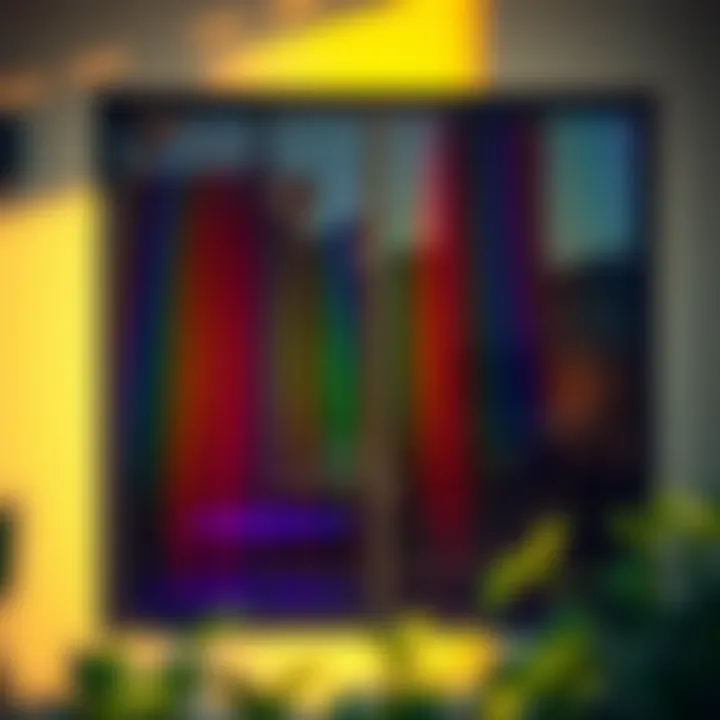
In recent years, decorative rainbow window film has woven its way into the fabric of modern interior design, transforming plain spaces into vibrant, inviting realms. This emerging trend is more than just a temporary embellishment; it embodies a harmonious blend of innovation and artistry that speaks volumes about the ever-evolving nature of our living environments.
The unique aesthetic appeal of these films attracts many people, from homeowners looking to brighten their spaces to designers eager to explore this contemporary medium. Renowned for its ability to filter light while introducing a spectrum of colors, decorative window film not only enhances visual interest but also serves functional purposes. In this article, we'll embark on a journey to uncover the various aspects of rainbow window films, from their aesthetic allure and practical benefits to their environmental impact. We'll explore how this design choice is gaining traction in homes and commercial spaces alike, ultimately enriching our appreciation for the connection between artistry and functionality in interior design.
The story of decorative window films, especially the rainbow variety, is layered with history and innovation. With installation methods varying from simple applications to more intricate designs, there's much to discern about how this medium works effectively in different contexts. As we progress, we’ll also touch upon current market trends and consumer behaviors, analyzing how preferences shape the industry.
To set the scene, let's begin by delving into the Fashion Trends associated with the decorative rainbow films.
Prologue to Decorative Rainbow Window Film
The field of interior design is ever-evolving, constantly influenced by emerging trends and shifting consumer preferences. One particularly captivating trend taking center stage is the use of decorative rainbow window film. This innovation primarily serves as an aesthetic feature, enriching a space with colorful patterns and a unique sense of style.
So why is this topic important? Decorative rainbow window film accomplishes more than just beautifying an area; it can significantly shift the atmosphere of a room. By filtering sunlight through vibrant colors, it creates an inviting ambiance that can enliven even the dullest corners of your home or office.
Key Elements and Benefits
- Enhanced Visual Appeal: The vibrant colors of rainbow window film can brighten a room, transforming spaces that may have once seemed uninviting. A well-placed film can turn an ordinary window into a stunning centerpiece, astounding guests and inhabitants alike.
- Privacy without Sacrificing Light: Many homeowners grapple with juxtaposing the need for privacy with a desire for natural light. Decorative window films provide a solution, offering obscurity while still allowing diffused sunlight to filter in, thus maintaining a warm and vibrant environment.
- Energy Efficiency: This window film can also contribute to energy efficiency. By reflecting sunlight, it keeps interiors cooler during the hot summer months, potentially reducing air conditioning costs.
- Variety of Designs: With infinite styles available, from geometric shapes to floral motifs, there's a rainbow window film that can match any decor theme or personal taste. One can choose bold patterns for modern aesthetics or softer designs for more traditional spaces.
Considerations
While the advantages are plentiful, there are also important considerations to keep in mind when choosing decorative rainbow window film. Firstly, the quality of the film can vary greatly. Investing in high-quality products ensures durability and better aesthetic results. Additionally, the installation method (whether DIY or professional) can impact the final outcome. Poor installation may disrupt both the clarity and vibrant colors of the film.
In summary, decorative rainbow window film offers a multifaceted approach to modern interior design. By being mindful of benefits and potential pitfalls, consumers can enhance their living spaces in a unique and colorful way.
Understanding Window Film Varieties
When it comes to elevating interior spaces, understanding window film varieties provides a solid foundation. Window films can enhance both aesthetics and functionality, making them a popular choice among decorators and homeowners. These films are not merely decorative coverings; they are also tools for managing light, privacy, and energy efficiency in spaces. As people aim to create unique atmospheres at home and in commercial environments, knowing what types of films are available and their benefits becomes vital.
Types of Decorative Films
Decorative films come in various designs and functionalities. The primary types include:
- Frosted Films: These provide a sleek, minimalist look while ensuring privacy. They allow light to filter through, which can brighten a space without compromising on confidentiality.
- Patterned Films: This category includes a variety of designs, from floral to geometric patterns. Such films can serve as focal points or subtle enhancements, depending on placement and design choice.
- Textured Films: With surfaces that mimic natural materials like grass or stone, these films can add depth and interest to plain windows. They offer both a tactile experience and visual intrigue.
- Colored Films: Often used to dramatize themes, colored films can transform dull interiors into vibrant environments. These come in every shade imaginable, making them easy to coordinate with existing decor.
Decorative films represent more than just a visual upgrade; they also cater to specific needs. For instance, frosted films can be dedicated to office spaces needing privacy without obstructing natural light.
Functional vs. Aesthetic Films
Understanding the distinction between functional and aesthetic films can guide choices in interior design.
Functional Films These films prioritize practical benefits. For example, many functional films offer UV protection, reducing glare and preventing the fading of furniture. Others focus on thermal regulation, helping to keep interiors cooler in warm weather. They contribute significantly to energy efficiency, which can lead to reduced utility bills.
Common examples include:
- Solar Control Films: Designed to block UV rays and heat, these are perfect for sunny locations. They not only protect interiors but also help maintain a comfortable living environment.
- Security Films: These are thicker and can protect against breakage, enhancing safety. They prevent shattering upon impact, providing peace of mind in residential or commercial settings.
Aesthetic Films On the other hand, aesthetic films are all about visual appeal. They can create moods and add character to otherwise bland spaces. These films are often chosen for their artistic qualities, contributing to the overall design narrative of a room.
Examples include:
- Designer Films: Collaborations with artists who create unique patterns or images. These films can elevate an average room into an art gallery of sorts.
The Appeal of Rainbow Patterns
Decorative rainbow window film has gained remarkable traction in recent years, and understandably so. With its vivid colors and stunning visuals, it adds an inviting and dynamic touch to both residential and commercial spaces. The appeal of rainbow patterns goes beyond mere aesthetics; it invokes emotional responses and can transform an ordinary room into a vibrant sanctuary. The magic lies in its ability to meld art and functionality, providing not just a decorative layer but also enhancing privacy and energy efficiency.
Visual Impact in Design
When it comes to interior design, the visual impact of rainbow patterns is nothing short of striking. These films play with light in creative ways, creating a dance of colors that shifts throughout the day. Imagine mornings when sunlight streams through your window, flooding your room with a cascade of colors. This light display can stimulate creativity and positivity, transforming how you perceive your environment.
In practical terms, rainbow film can be a focal point. Whether it is placed in a cozy nook at home or featured in a lobby of a corporate office, the use of such striking patterns invites attention. Designers can leverage this to break the monotony of traditional spaces. It’s a perfect blend of playfulness and professionalism, making it easier to strike a balance in a variety of settings. Using rainbow window film can soften hard edges of modern furniture or stark white walls, inviting a more warm and approachable atmosphere.
Consider various placements: a sunny kitchen with rainbow film might create a cheerful environment that energizes morning routines, while a serene living room could use subtler patterns to promote relaxation. Blending styles and color schemes becomes simpler when such films are incorporated, giving space owners unprecedented flexibility.
Psychological Effects of Color
Colors have long been associated with emotions and psychological responses; rainbow patterns encapsulate a spectrum of these interactions. Each color carries its unique essence—blue often signifies tranquility, while yellow can ignite happiness. Combining these hues into a single design evokes a medley of feelings, engaging occupants on multiple levels.
Research supports the idea that color can influence moods and behaviors. For example, vibrant reds can stimulate energy and excitement, making them ideal for creative spaces. In contrast, cooler tones such as green can inspire calm and balance. By using rainbow patterned window films, homeowners and businesses tap into these psychological effects. They are not merely choosing a decoration; they are strategically curating their environment to support the emotional needs of their inhabitants.
Whether it's a child’s playroom brightened with cheerful hues or an office designed for productivity, these colorful films serve their purpose beyond visual appeal. They articulate a narrative of sustainability and wellness that resonates in today's design landscape.
"Colors are the smiles of nature." – Leigh Hunt
Applications in Interior Design
In the realm of modern interior design, the use of decorative rainbow window film has carved out a unique niche. This design element is not merely about aesthetics; it's about creating a space that resonates well with functionality and personal expression. The applications of rainbow window film are both diverse and impactful, enhancing environments in ways that evoke emotion and intrigue.
Rainbow patterns can transform the mundane into the remarkable, introducing a splash of vibrancy that can rejuvenate any space. They serve numerous purposes, from increasing privacy to controlling glare, all while bringing a sense of whimsy and joy into our lives. The psychological benefits of color, coupled with the film's ability to filter light, make these films an essential consideration for both residential and commercial spaces.
Residential Spaces
When it comes to residential applications, decorative rainbow window films can redefine the atmosphere of a home. Picture this: sunlight streams through a window, casting a myriad of colors onto your living room walls. This effect can contribute to a positive mood throughout the day. In kitchens, rainbow window film can brighten up the space, adding a playful touch that makes meal prep more enjoyable.
- Privacy and Light Control: Homeowners often seek ways to retain privacy without resorting to heavy drapery. Decorative films can provide this, allowing natural light to flood in while keeping prying eyes at bay.
- Room-Specific Options: Different rooms may call for different film applications. A bedroom may benefit from a more muted film for restful ambiance, while a children’s room could embrace brighter colors and more dynamic patterns.
- Seasonal Changes: Rainbow films can accentuate seasonal decorations. In the spring, for instance, a vibrant film can reflect the renewal of life outside, aligning the interior with the changing seasons.
Adding a rainbow window film can also be an economical means of updating the appearance of a home. Instead of expensive renovations, a simple application can lead to a dramatic shift in the vibe of a room. Moreover, these films are easy to remove or change, allowing homeowners to keep their interiors fresh and contemporary without breaking the bank.
Commercial Settings
In commercial environments, decorative rainbow window film finds its place not only in enhancing visual appeal but also in branding and customer experience. Retail stores can use colorful films to create an inviting atmosphere that draws customers in. The right window film can signify excitement, creativity, and modernity, contributing to a brand’s identity.
- Brand Expression: Businesses can select films that resonate with their branding or target demographic. For example, a children’s toy store may opt for playful and vivid patterns, while a café might choose softer hues that encourage a relaxed environment.
- Client Relations: In spaces such as customer service centers or consultation offices, rainbow window films can alleviate a sterile atmosphere. The joyful colors help establish a welcoming relationship with clients, easing the tension of formal meetings.
- Energy Efficiency: Beyond aesthetics, some decorative films also offer benefits like UV filtering that helps regulate temperature and protects furniture from fading. This is particularly beneficial in commercial spaces that experience high traffic and lengthy exposure to sunlight.
"The application of decorative rainbow window films in commercial settings doesn't just appeal aesthetically, but also creates a mood that can enhance customer experience and drive sales."
In both residential and commercial applications, decorative rainbow window film has proven to be a versatile, cost-effective, and impactful choice. As design continues to evolve, these films will likely play an even greater role in shaping our interiors, blending utility and beauty in a harmonious dance. By incorporating these films into design schemes, individuals and businesses alike have the opportunity to express creativity, foster connection, and create positive, vibrant spaces.
Sustainability Considerations
In the ever-evolving landscape of interior design, the significance of sustainability cannot be overstated. As the globe shifts towards more eco-conscious practices, decorative rainbow window film surfaces not just as a trend, but as a beacon of responsible design. Implementing sustainable practices in design enhances not only aesthetic value but fosters a connection to environmental stewardship. In this regard, the following sections illuminate the eco-friendly materials utilized in window films and the long-term benefits they impart to both the environment and the consumer.
Eco-Friendly Materials
The backbone of any sustainable design initiative is the materials that are chosen. Decorative rainbow window films commonly incorporate a range of eco-friendly materials that reduce environmental impact. Many manufacturers focus on non-toxic adhesives and inks, which means that these films are not just visually striking but also safe for indoor air quality. For example, some windows films utilize polyester as their base, which can be sourced from recycled plastics, giving new life to materials that might otherwise end up in landfills.
Moreover, the production processes of these films often prioritize energy efficiency. This means less energy waste and, in turn, a lower carbon footprint during manufacturing. The use of UV-resistant materials also means that less heat escapes through windows, potentially lowering energy costs in homes and offices. Ultimately, when choosing decorative window films, the selection of eco-friendly materials goes a long way toward maintaining an environmentally-friendly interior design.
Long-Term Benefits
Beyond the immediate aesthetic appeal, the long-term benefits of installing decorative rainbow window film resonate on multiple levels. Firstly, these films can significantly improve energy efficiency. By reflecting excess sunlight in warmer months and enhancing insulation during colder months, they contribute to a more stable indoor climate. This not only prompts savings on energy bills but extends the lifespan of heating and cooling systems, paving the way for reduced maintenance and replacement costs.
Secondly, the durability of quality films cannot be overlooked. Unlike standard window treatments, which may require frequent replacement, high-quality decorative films can last many years with proper care. This longevity also represents a reduction in waste, as less frequent replacements mean fewer resources expended in manufacturing, shipping, and disposal.
Moreover, many companies have adopted extended producer responsibility practices, meaning they will take back used or damaged films for recycling or safe disposal. This not only demonstrates a commitment to sustainability but also reduces the burden that consumer waste puts on landfills.
"Choosing decorative window films contributes to a sense of responsibility and environmental awareness that resonates far beyond personal aesthetics."
Relevant Resources
- Wikipedia - Window Film
- Britannica - Sustainability
- EPA - Sustainable Materials Management
- Reddit - Interior Design Discussions
Installation Techniques
Installing decorative rainbow window film can be an intricate process that demands both precision and understanding of the materials involved. This section delves into the various methods of installation, discussing the pros and cons of hiring professionals as opposed to taking a DIY approach. Furthermore, we’ll highlight the essential tools required for a successful application.
Professional vs. DIY Installation
Opting for professional installation can often take a weight off your shoulders. Skilled experts have the know-how from working on a wide range of projects. They typically bring a wealth of experience to the table, which translates into a polished final product. Moreover, they can offer insight on the types of films available and help you make the best choice for your specific needs.
On the flip side, choosing a DIY route can save you some bucks. Many homeowners relish the chance to tackle projects themselves, transforming the windows into statement pieces while adding a personal touch. DIY installation, however, isn’t without its challenges. It requires careful planning, time, and a decent skill set to prevent issues down the line, such as bubbling or misalignment. Here are some considerations:
- Pros of Professional Installation:
- Cons of Professional Installation:
- Pros of DIY Installation:
- Cons of DIY Installation:
- Access to expertise
- Often faster than DIY
- Guaranteed results
- Higher cost
- Scheduling conflicts may arise
- Cost-effective
- Personal satisfaction
- Flexibility in scheduling
- Potential for mistakes
- Learning curve involved
Tools Required for Application
Whether you decide on a professional or to tackle it yourself, having the right tools is crucial. The following items are essential for a smooth installation of decorative window film:
- Squeegee: This tool is vital to eliminate air bubbles and achieve a tight seal after application.
- Utility Knife: For cutting the film to the desired dimensions. Precision is key here.
- Measuring Tape: A standard tool for ensuring you get all dimensions right before cutting.
- Spray Bottle: Fill it with a mixture of water and a few drops of dish soap. It provides a slippery surface when placing the film.
- Lint-Free Cloth: For cleaning the glass surface beforehand to ensure it’s free from dust and debris.
Remember, proper preparation is half the battle—clean windows are essential for a successful installation.
Maintaining Decorative Window Film
The results of enhancing your living space with decorative rainbow window film are visually striking, but keeping that beauty intact over time requires proper maintenance. Understanding the nuances of maintaining these films is crucial, whether for personal enjoyment or to impress guests. Investing time and care into upkeep offers several benefits. Not only does it prolong the life of the film, but it ensures that your design element continues to turn heads and bring joy.
Cleaning Guidelines
Maintaining clarity and vibrancy is key to preserving the aesthetic value of your window film. Fortunately, cleaning is not a daunting task, but there are some rules you want to follow to avoid damaging the film. Here are some tried and tested guidelines to keep in mind:
- Use a Soft Cloth: Opt for microfiber cloths or soft sponges. Avoid rough sponges or scrubbers, as they can scratch the film.
- Mild Detergent: Mix a gentle detergent with warm water to create a cleaning solution. Avoid any harsh chemicals, vinegar, or ammonia-based products that can harm the film.
- Gentle Wiping: Use a circular motion when cleaning the surface. This minimizes streaks and ensures that every corner of your gorgeous film shines.
- Dry Quickly: After washing, gently pat the surface dry with a soft cloth to avoid water spots.
With these tips, not only can you maintain the brilliance of your decorative film, but you can also ensure a clean ambiance in your space.
Longevity Factors
The life expectancy of decorative rainbow window films can vary significantly depending on a mix of factors, including exposure to sunlight, type of film, and environmental conditions. Here’s what to keep in mind:
- Film Quality: Higher-quality films, while sometimes more expensive, often come with greater longevity. Invest in reputable brands that guarantee durability in their products.
- Sun Exposure: Prolonged exposure to direct sunlight can degrade the film over time. You may want to consider positioning to mitigate intense rays or invest in UV-resistant options.
- Environmental Conditions: Excess moisture or temperature fluctuations can affect the adhesive and makeup of the window film. Try to maintain a stable environment to prolong its effectiveness.
Balancing daily aesthetics with practical maintenance ensures your decorative rainbow window film remains a thriving and vibrant addition to your interior design for years to come.
Cost Analysis of Window Films
Understanding the cost analysis of window films is crucial for homeowners and designers alike. This section not only highlights the immediate financial implications but also considers the long-term value these films bring. When contemplating design choices such as decorative rainbow window films, it's important to assess both initial investment and potential savings. Proper financial evaluation reflects more than just numbers; it’s about acknowledging the role of these films in enhancing comfort and style in living spaces.
Initial Investment vs. Value
When diving into window film investments, one must distinguish between initial cost and the value over time. Initially, decorative rainbow window films might present a sticker shock, especially when compared to traditional window treatments. However, their benefits can often justify the upfront cost.
- Energy Efficiency: These films are not just about looks; they can insulate your windows, helping save on energy bills. Users can experience cost savings on both heating and cooling.
- Protection from UV Rays: They can block harmful UV rays, potentially extending the lifespan of interior furnishings like sofas and carpets. This protection offers direct monetary value by preventing the need for premature replacements.
- Privacy & Aesthetic Appeal: While less tangible in direct financial terms, the enjoyment derived from enhanced aesthetics and improved privacy can't be overlooked. It’s about the experience and the satisfaction that comes from a well-designed space.
Thus, although the initial investment might seem steep, consider the cumulative benefits over several years.
Comparative Cost Studies
A deep dive into comparative costs can shed light on one’s choices in window films. Buyers can benefit significantly from understanding how various brands and styles stack up against one another. Here are some common parameters to consider:
- Brand Reputation: Established brands often carry a premium but sometimes offer better guarantees and customer satisfaction ratings. Wells Window Films, for example, is known for high durability and aesthetic finishes, but at a higher price point.
- Material Differences: The type of materials used can greatly influence the costs. Films made from polyester tend to be more affordable compared to multilayered ceramic films that provide superior performance.
- Installation Costs: Don’t forget to factor in installation costs. Professional installation often provides a better finish compared to DIY attempts that could potentially lead to additional expenses through errors.
For those looking to compare different options, consider utilizing platforms like Reddit for community feedback and firsthand experiences. Moreover, resources such as Wikipedia and Britannica can provide baseline information on types of window films.
Therefore, comprehensively analyzing costs not only prepares buyers for the financial commitment but also ensures that they make informed choices aligned with their design visions.
Market Trends in Decorative Films
As the interior design landscape continues to evolve, staying abreast of market trends in decorative films is essential for creating spaces that not only resonate with current aesthetics but also speak to the sensibilities of consumers. Decorative rainbow window film, in particular, is a focal point as it offers both vibrant color palettes and practical benefits. This section aims to elucidate how these trends affect buying behavior, design choices, and overall consumer satisfaction.
Consumer Preferences
When it comes to decorative films, consumer preferences have shifted significantly. No longer is window film merely an afterthought; today, it serves as a crucial element of design identity. Recent studies suggest that individuals are leaning towards products that not only enhance beauty but also promote personal well-being. This shift can largely be attributed to several factors:
- Aesthetic Diversity: People desire a wide range of options to match their unique styles. Decorative rainbow window films appeal to those wanting to make a bold statement or subtly enhance their interiors.
- Sensitivity to Environment: Increased awareness regarding mental well-being has encouraged consumers to turn towards colors that inspire positivity. Bright and varied colors can uplift mood, making decorative films more attractive.
- Quality Over Cost: There is a growing willingness to invest in quality materials, with consumers often prioritizing longevity and durability over lower-priced options. This reflects an understanding that good design is an investment in quality living.
"Choosing the right window film is not just about aesthetics; it's about making spaces feel more alive and welcoming."
Evolving Design Trends
The decorative film market is also influenced by changing design trends that reflect broader societal shifts. As globalization continues to shape aesthetics, different cultural inspirations are impacting design in significant ways:
- Embrace of Natural Light: Modern designs are leaning heavily toward maximizing natural light. This has led to an uptick in demand for films that can diffuse light beautifully while ensuring privacy.
- Sustainability Focus: Eco-conscious consumers are driving demand for window films made from sustainable materials. Films that achieve aesthetic goals while boasting eco-friendly certifications are gaining traction in the market.
- Integration of Technology: Innovations in smart window films that adjust or change colors based on temperature or time of day are becoming more prevalent, merging functionality with creativity. This versatility not only enhances appeal but positions window films as a tech-savvy choice.
In summary, the trends in decorative films reflect a deeper understanding of personal and cultural expressions, with a clear shift towards choices that align with consumers' values and aesthetics. As the market continues to grow, those engaged in design, whether at a personal level or professionally, must acknowledge these trends to create inspired spaces.
Cultural Influences on Design
Cultural influences play a pivotal role in shaping design trends, especially when it comes to decorative elements like rainbow window film. Understanding the symbolism of colors and their historical context can significantly impact how these films are perceived in various settings. This exploration reveals why rainbow patterns in window film resonate so deeply across different cultures and epochs.
Symbolism of Colors
Colors are not merely visual elements; they carry meanings and evoke emotions. In many cultures, each hue is imbued with symbolism. For instance, red is often associated with passion and energy, while blue evokes calmness and serenity. When integrating rainbow window films into interior design, it is crucial to consider how these colors will affect the mood of the space.
- Red: Often represents love and warmth, making spaces feel inviting.
- Orange: Linked to creativity and enthusiasm, ideal for energizing workspaces.
- Yellow: Symbolizes happiness, perfect for children's rooms or play areas.
- Green: Signifies nature and balance, calming for living spaces.
- Blue and Violet: Elicit feelings of peace and spirituality, suitable for restorative environments.
This understanding allows designers and homeowners alike to use decorative films in ways that resonate with personal and cultural values. A well-placed rainbow window film can turn an ordinary room into a vibrant sanctuary, celebrating cultural diversity and personal expression.
Historical Context
The history of color use in design often reflect broader social and cultural movements. Take, for example, the colorful glass windows of medieval cathedrals. These weren't just aesthetic choices; they told stories and conveyed religious beliefs. Similarly, the modern trend of decorative rainbow window films draws on a rich tapestry of design history.
Rainbow patterns can be traced back through the ages, from the stained glass of yore to contemporary art movements that experiment with color in innovative ways. Today’s window films can be viewed as a modern renaissance, bringing fresh interpretations to classic concepts. These films don’t just block sunlight; they also tell a story, whether inspired by a cultural motif or a historical movement.
- Art Deco: A style that emphasized geometric patterns and vibrant colors, heavily influencing today’s designs.
- Pop Art Movement: Introduced bold colors and graphic designs, including lenses for window films.
Gaping at the long shadows of the past gives us a deeper appreciation for color interplay in interior spaces. Window films that incorporate cultural themes can draw from history, offering a sense of continuity while allowing for innovative expression.
“In design, every color, every pattern carries a story, weaving a narrative that connects us to our history and culture.”
Understanding these cultural influences enriches not only the aesthetic appeal of decorative window films but also their emotional impact. This melding of colors and narratives can create in the observer an emotional resonance that transcends mere decoration, transforming spaces into culturally aware environments.
Case Studies of Effective Use
The inclusion of decorative rainbow window film in interior design has blossomed into a fascinating trend. These case studies serve to uncover its depth beyond mere aesthetics, giving life to regions in both residential and commercial settings. Using real-world illustrations, it becomes evident how transformative these films can be. They provide more than privacy; they shape the vibe, enhancing the environment.
Residential Examples
Using rainbow window film in homes isn’t just a trend; it’s a movement toward personalization and creativity. Many homeowners now find themselves opting for such films, depending on their unique styles and preferences. For instance, a family in Portland decided to enhance their living space by installing decorative films in their sunroom. This choice not only filtered sunlight but also cast beautiful rainbow patterns across their walls.
- Benefits observed:
- Enhanced aesthetic appeal: The colors meld in a dance of light, adding a cheerful atmosphere.
- Increased privacy: Residents could enjoy their spaces without feeling exposed.
Another striking example is in a modern loft in San Francisco, where decorative films were used in a bedroom and kitchen. The owners selected a subtle gradient design that transformed a plain, dull glass panel into a centerpiece of color and interest. The film not only delivered a pop of creativity but also mimicked stained glass, which resonated with the tenant’s appreciation for art and design.
"The color plays with the natural light, elevating my otherwise typical urban space," says Julia, the homeowner.
Commercial Success Stories
Commercially, the application of rainbow films has shown remarkable success, leading to brand recognition and enhanced customer experience. A local bakery in Chicago experimented with these films on their front windows. They chose a vibrant selection that matched their branding. When the sun shines through, it creates inviting colors that beckon passersby, increasing foot traffic and, eventually, sales.
- Key elements contributing to success:
- Eye-catching aesthetics: A colorful facade draws in customers.
- Reflecting brand identity: Displays the bakery's playful and warm nature.
In another scenario, a tech startup based in Seattle employed decorative window films for its conference rooms. They embraced bold rainbow hues that not only served as a conversation starter but also fostered a creative atmosphere during meetings. The calming yet energetic colors helped to inspire productivity and collaborate ideas in innovative ways.
In summation, these real-world examples highlight the existing potential of decorative rainbow window film. The real-world applications in both residential and commercial settings illustrate how these films can craft emotional connections, elevate design, and resonate with personal or business identities. Through careful implementation, window films can be much more than just a protective layer—they become vital elements of the interior narrative.
Challenges and Limitations
When diving into decorative rainbow window film, it’s crucial to acknowledge both its allure and the challenges it brings to the table. The incorporation of colorful films offers a fresh perspective to interior design, but like any trend, it comes with its own share of limitations and potential drawbacks that homeowners and designers need to consider.
Potential Drawbacks
Decorative rainbow window films, while they can truly elevate a space, are not without their downsides. Here are some specific areas of concern:
- Durability Issues: Over time, exposure to sunlight and environmental factors may lead to fading or peeling. This could diminish the aesthetic you intended to create.
- Privacy Concerns: While these films can enhance the beauty of your home, they may not provide the level of privacy homeowners desire. Not all films are designed for obscuring views, which can leave living spaces exposed, particularly in busy neighborhoods.
- Installation Difficulties: Achieving a perfect application can be tricky, especially for those who decide on a DIY route. A poor installation can lead to bubbles, creases, or misalignment, which affects the overall appearance of the space.
- Cost Considerations: While decorative films can initially seem affordable, there are hidden costs associated with professional installation, cleaning, and possible replacements over time.
Mitigation Strategies
Despite these drawbacks, several strategies exist to help mitigate the limitations of decorative rainbow window film:
- Choosing Quality Products: Investing in higher-quality films can lead to greater durability and better aesthetic performance in the long run. Researching brands and materials before purchase can save headaches later.
- Professional Installation: Hiring professionals for installation not only ensures a seamless application but also enhances the durability, as they have the experience and tools to do it right.
- Layering for Privacy: Consider using a combination of standard and decorative films. This can provide the whimsical aspect of color while maintaining your desired level of privacy.
- Regular Maintenance: Establishing a regular cleaning routine can prolong the life of your window film. Using gentle, non-abrasive cleaners will keep the films looking fresh and vibrant.
In summary, while decorative rainbow window film presents challenges, these can be effectively managed with careful planning and consideration. By being aware of the potential issues and employing smart strategies, enthusiasts can enjoy the vibrant benefits these films offer without compromising on quality or design.
Future Prospects of Decorative Films
The future prospects of decorative window films, particularly rainbow patterns, are looking exceptionally bright. As the world increasingly gravitates towards personalization and individual expression in design, these films stand at the forefront of this shift. With the emphasis on aesthetic appeal and environmental consciousness in today’s decor choices, understanding the direction in which these products are heading is crucial for both consumers and designers alike.
Innovation in Materials
In recent years, the landscape of decorative films has been influenced significantly by innovative materials. Manufacturers are now experimenting with sustainable options such as recycled PET (polyethylene terephthalate) materials. This shift not only reduces waste but also addresses the growing demand for eco-friendly products. New technologies have introduced films that not only capture rainbow spectra beautifully but also enhance insulation properties, leading to energy efficiency in interiors. For instance, ceramic grades are making waves in terms of durability and resistance to fading.
Key Innovations include:
- Self-adhesive films that are easier to apply and remove,
- Nano-coating technologies that enhance the film’s lifespan,
- Films treated with UV protection properties, safeguarding both the material and the occupants.
Such advancements play a pivotal role in retaining the aesthetic quality of rainbow films while ensuring that they are suitable for longer-term applications. Given these developments, consumers can make informed decisions without compromising on style or sustainability.
Predicted Market Growth
The market for decorative window films is expected to grow substantially, driven by both residential and commercial sectors. According to a recent report by a market research firm, the industry could see a compound annual growth rate (CAGR) of around 5% over the next several years. This growth is primarily fueled by an increasing focus on interior aesthetics and the rise of DIY culture, with homeowners seeking unique ways to spruce up their living spaces.
Additionally, architets and designers are increasingly recognizing the benefits of incorporating decorative films into their designs, realizing that these films can add character and vibrancy to otherwise mundane interiors. The consumer's desire for customization and a personal touch is fuelling demand. As more suppliers enter the market and the variety of options continue to expand, prices may stabilize, making these decorative solutions more accessible.
Predictions suggest we could see an influx of creative collaborations between artists and film manufacturers, further enriching the offerings available to consumers.
"The potential for decorative films to transform spaces while being mindful of the environment opens doors to new possibilities in design."
End
The discussion surrounding decorative rainbow window film is not just about aesthetics; it encapsulates a myriad of benefits, considerations, and possibilities in modern interior design. Understanding the importance of this decorative element enhances our appreciation of how it can transform spaces, adding both flair and functionality.
Summary of Key Points
- Aesthetic Enrichment: Decorative rainbow window films offer an enchanting blend of colors that can radically change the ambiance of a room, making spaces feel more inviting and vibrant. The interplay of light and color can evoke various emotions and moods within a space.
- Functional Benefits: Beyond beauty, these films serve practical purposes. They can provide privacy while still allowing natural light to filter through. Additionally, many of these films are UV resistant, helping to protect furniture and flooring from sun damage.
- Sustainability: With growing concerns about environmental impact, many manufacturers focus on eco-friendly materials. Choosing decorative films that are sustainable can not only beautify homes but also align design choices with environmental responsibility.
- Installation and Maintenance: The adaptability of decorative window films makes them accessible for a variety of applications, whether in residential homes or commercial spaces. Featuring a relatively straightforward installation process, they can easily be modified or removed as design trends evolve.
- Market Trends and Consumer Preferences: As consumers become more aware of design choices and their impacts, the demand for colorful, decorative films continues to rise. Market responses are adapting, reflecting a shift towards more sustainable and aesthetically pleasing products.
"Decorative rainbow window films aren't just a passing trend; they represent a shift towards integrating beauty with functionality in interior design."
As we study the trajectory of decorative films in this context, it's clear that they embody more than just a temporary trend. They are becoming an enduring choice for those who appreciate the value of artistic flair in their living environments, melding together creativity, practicality, and sustainability. This makes decorative rainbow window films an essential addition to any contemporary design vision.