
The Cow Pattern Tablecloth: Style and Substance


Intro
Cow pattern tablecloths represent not just a whimsy in design but a reflection of evolving aesthetics in both fashion and home decor. This article aims to explore how these distinct black-and-white designs have carved their niche in modern interiors and wardrobe essentials. It’s not merely about shape or color; it’s about the narrative these patterns weave into our everyday lives. They bring a rustic charm that can effortlessly transition from a casual outdoor gathering to a chic indoor dinner party.
Not only do these tablecloths add personality to a dining setup, but they also echo broader themes in fashion today—sustainability, the return to nature, and making bold style statements. As we delve into their characteristics, we will highlight various aspects, from the origins of cow patterns to the significant role of eco-friendly materials in today’s fashion trends.
Let’s begin our exploration of the current fashion trends that embrace the cow pattern amidst the myriad of styles dominating the market today.
Intro to Cow Pattern Tablecloths
In recent times, decorative elements in our homes have taken on a life of their own, with the cow pattern tablecloth emerging as a surprising yet significant player in the landscape of interior design. This section serves as a gateway to understanding not just the aesthetic appeal of these tablecloths, but also the deeper meanings they may embody. One may wonder—what makes a cow pattern tablecloth stand out amongst the varied designs available? Well, it’s a blend of unique visuals, cultural ties, and even a touch of nostalgia.
The cow pattern, often associated with rustic charm, can easily juxtapose with modern and minimalist decor, creating an intriguing contrast that appeals to a wide range of tastes. From casual dining settings to more formal events, this design offers versatility like no other. For those constructing a stylish yet homely atmosphere, adopting this pattern can significantly enhance the space’s warmth and character.
Defining the Cow Pattern
When one defines the cow pattern, the imagination often leaps to the familiar black and white shapes reminiscent of a cow’s hide. This particular design is characterized by irregular shapes and bold contrasts, which allow each piece to have its own personality. But beyond mere aesthetics, the cow pattern is a celebration of nature—a design that draws its inspiration straight from the pastoral beauty of the countryside. It encapsulates the essence of freedom, evoking feelings of simplicity and earthiness.
The versatility inherent to this pattern is astounding; it can be both kitschy and classy, depending on how it’s styled. Picture a dining room draped in a cow-patterned tablecloth juxtaposed against crisp white dinnerware—it is this mix of elements that can create a compelling visual narrative.
Cultural Significance of Patterns in Design
Patterns have long played a vital role in design, functioning as expressive tools that communicate identity and culture. The cow pattern, for instance, is not just a design of aesthetic allure; it embodies stories and traditions rooted in agrarian lifestyles. It captures the spirit of pastoral existence, which resonates with many who seek a connection to the land and their heritage.
In various cultures, patterns symbolize a plethora of concepts ranging from status to familial ties. The cow pattern could be seen as a representation of rural life and the narratives that surround farming and livestock. In many ways, it invites an appreciation for simpler times while making a statement in today’s fast-paced world.
The rise of a more conscious society has made these patterns even more significant, as consumers seek authenticity and substance in their decor. Thus, integrating designs with meaningful backgrounds can transform ordinary spaces into thoughtful collections of stories, bridging the past with the present in unique ways.
"Patterns are not merely adornments; they are the fabric of our histories woven into our modern lives."
As we venture further into this article, we will explore the historical context of cow patterns, their evolution, and the materials that contribute to their widespread appeal.
Historical Context and Evolution
In examining the cow pattern tablecloth, it is crucial to understand its historical context and evolution within the broader tapestry of design. This section delves into the origins of animal patterns in textiles and traces the emergence of cow motifs as they found their place in contemporary design, reflecting societal shifts and evolving aesthetics. The intersection of heritage and modernity in these designs offers insights into their lasting appeal and relevance in today’s markets.
Origins of Animal Patterns in Fabrics
The use of animal patterns in textiles is as old as fabric itself. Early civilizations, such as the Egyptians and Mesopotamians, incorporated various motifs depicting fauna to signify strength or fertility. These designs often had symbolic meanings, serving not just as decorative elements but also imbued with cultural significance.
Interestingly, animal prints, like those of tigers or leopards, have dominated the narrative in textile history. However, the cow pattern—while perhaps overlooked in some discussions—holds its own story. Historically, cows have been central to rural life, symbolizing sustenance and agricultural prosperity. Fabrics adorned with cow imagery started cropping up in rural and pastoral communities, often hand-painted or stitched by artisans who sought to celebrate their everyday lives.
As crafts traveled across regions, they absorbed influences from different cultures, and cow motifs began to narrate tales of local traditions and agricultural practices. From woven fabrics in rural America to painted textiles in European kitchens, the cow pattern became a universal emblem. Whether it’s a farmer’s apron or a rustic table setting, animal patterns, including those of cows, conveyed a narrative of lifestyle and environment.
Rise of Cow Patterns in Contemporary Design
Fast forward to the present day, and the cow pattern has evolved into a contemporary design staple. Its rise can largely be attributed to a desire for authenticity in décor. As people increasingly yearn for homes that reflect personal stories and experiences, motifs that connect back to nature and simplicity have surged.
The cow pattern, in particular, resonates with individuals drawn to rustic aesthetics and pastoral lifestyles as they intertwine with modern chic. This trend is well exemplified in cafes and dining establishments aiming to create cozy atmospheres that evoke feelings of warmth and simplicity.
Moreover, the cow motif’s versatility is noteworthy. It merges seamlessly with various design styles, from farmhouse chic to minimalist spaces. Designers have embraced its potential to contrast with sleek, modern decor, bringing about an exciting dialogue between the old and the new.
"Cow patterns serve as a bridge between tradition and innovation, showcasing how design evolves while honoring heritage."
As the demand for eco-friendly practices grows, textiles featuring cow patterns are being produced using sustainable materials, further solidifying their place in contemporary design. Emerging brands are finding unique ways to incorporate cow prints, whether through digital prints or traditional hand-dye methods, thus granting them both environmental and aesthetic appeal.
In summary, understanding the historical roots of animal patterns, especially cow motifs, enriches the appreciation of cow pattern tablecloths today. It reflects broader societal shifts towards sustainable, meaningful design while championing stories of tradition and evolution in contemporary textile art.
The Aesthetics of Cow Pattern Tablecloths
The aesthetics of cow pattern tablecloths play a significant role in how these unique textiles blend into modern interior design. They are not just a practical choice; they also reflect a sense of character and personal style. From casual dining areas to more sophisticated settings, the visual appeal of cow patterns provides an interesting dialogue between rustic charm and contemporary chic. Understanding the aesthetics aids consumers and designers alike in leveraging these tablecloths for maximum impact.
Visual Appeal and Design Trends
The cow pattern has made quite the impression on design landscapes, capturing the hearts and eyes of many. Its inherent boldness and distinctiveness allow it to stand out in a crowd. Often, patterns like these evoke a certain nostalgia while simultaneously introducing an avant-garde style to home decor.
In recent years, this pattern has undergone a transformation in design trends. Once relegated to country kitchens, cow patterns have now found their way into urban settings, showcasing their versatility. Designers incorporate cow prints into various textiles, creating striking tablecloths that can serve as focal points in any dining space. From geometric adaptations to oversized prints that demand attention, cow patterns can elevate a table setting considerably. This transition indicates an evolving taste in consumers who appreciate both tradition and modernity.
Moreover, seasonal trends also embrace this style. For instance, during summer gatherings, lighter fabrics with crisp black and white cow prints complement the outdoor vibe beautifully. In contrast, fall and winter witness deeper hues and rich textures that provide warmth and comfort, appealing to the senses.
Lastly, the ability to mix and match cow pattern tablecloths with different styles or themes reflects the growing trend of individuality in home design. Whether coupled with elegant silverware or casual dishware, these tablecloths add flair that resonates with the user's personality.
Color Combinations and Their Impact
When it comes to cow pattern tablecloths, color combinations can drastically alter the mood of a space. The classic black and white combination embodies sophistication while being edgy enough to captivate interest. But this is just the tip of the iceberg; various other color palettes can be embraced, each bringing its own energy and feel.
- Earthy Tones
Combining browns and creams with traditional black and white patterns can deliver a warm, earthy vibe that harmonizes beautifully with rustic decor. This combination finds a home in country-style kitchens or dining areas that value a connection to nature. - Vibrant Accents
Adding bursts of color, such as bright reds or sunny yellows, with cow patterns can inject a playful spirit into the dining atmosphere. These tablecloths encapsulate joy and vibrant energy, making them ideal for casual gatherings or family get-togethers. - Monochromatic Schemes
For those who prefer a minimalist aesthetic, playing with varying shades of gray and black can create a striking visual effect without overwhelming the senses. This approach aligns particularly well with modern design philosophies, where less is often considered more.
A savvy choice of colors not only emphasizes the cow pattern but also reinforces the overall theme of the dining experience. Careful thought should go into selecting color combinations that facilitate the desired mood and atmosphere, ultimately ensuring that the tablecloth accentuates, rather than clashes with, the surrounding decor.
"A striking cow pattern tablecloth can turn an ordinary meal into a visually stimulating experience, enriching both the ambiance and the conversation that follows."
Material Considerations
When it comes to cow pattern tablecloths, the materials used play a crucial role in their overall appeal and functionality. Understanding different fabrics, their strengths, and their weaknesses can enhance your choice, ensuring that the tablecloth not only looks stylish but also serves its purpose effectively.
Selecting the right material can really make a difference. The texture, durability, and ease of care vary significantly among options. Consumers often seek materials that balance aesthetics with practical use.
Common Fabrics Used in Cow Pattern Tablecloths
Cotton
Cotton is a well-loved choice for tablecloths, and it's easy to see why. Its softness and breathability make it a comfortable fabric for casual dining. When you think about cotton, think of its absorbency. This feature makes it practical for everyday use, as it can handle spills quite well. People love using cotton for a down-home, rustic feel, especially combined with cow patterns. However, one downside is that cotton typically requires more maintenance. It has a tendency to wrinkle and may fade over time when exposed to sunlight.
Linen
Linen stands out for its elegance and natural texture. When you’re after a more sophisticated vibe, linen might just be your go-to. Its crisp finish lends a touch of class, making it a favorite for formal events. This fabric is known for being highly breathable and moisture-wicking, perfect for warm weather. What's more, linen has a unique charm that unfolds over time. As it ages, it becomes softer. But, it’s not all sunshine; linen can be prone to wrinkles, which can be a bit of a nuisance in a busy household.
Polyester
Polyester is where style meets practicality. This synthetic fabric is often praised for its durability and stain resistance. Tablecloths made from polyester hold their shape well and are easy to clean, making them suitable for those who lack time for high-maintenance fabrics. Moreover, polyester can mimic the appearance of natural fibers while being more affordable. However, it can be less breathable than natural alternatives, which is something to consider when choosing a tablecloth for warmer settings.
Sustainable Material Choices
As eco-consciousness rises among consumers, opting for sustainable materials is gaining traction. Using items that are kinder to the environment not only appeals to the conscious buyer but reflects a trend towards responsible fashion.
Bamboo
Bamboo is remarkable for its rapid growth and minimal environmental impact. This material is biodegradable and naturally antibacterial, making it an appealing option for tablecloths. Beyond its sustainability, bamboo has a silky feel, which can elevate your dining aesthetics. However, bamboo can sometimes lack the vibrant color options that other fabrics offer, which might limit its appeal to those who are color-conscious.
Tencel


Tencel, made from sustainably sourced wood pulp, is another star in the eco-friendly arena. This fabric is breathable and moisture-wicking, making it a fantastic choice for tablecloths that need to look fresh and inviting. The production process for Tencel is also less harmful to the environment, utilizing closed-loop systems that recycle water and chemicals. However, as with any sustainably produced material, it can have a higher cost compared to conventional fabrics.
Organic Cotton
Organic cotton takes the standard cotton fabric a step further by avoiding harmful pesticides and fertilizers. This not only benefits the environment but also results in a softer fabric that can be gentler on sensitive skin. It's a favorite for those who want high-quality and eco-friendly options. Yet, organic cotton might be somewhat more expensive, which can deter budget-conscious shoppers.
"Choosing the right material for cow pattern tablecloths can significantly alter the aesthetic and functional value, providing not just a decorative touch but also ensuring durability and ease of maintenance."
Practical Applications
When discussing cow pattern tablecloths, it's vital to consider their practical applications in everyday settings. These tablecloths serve more than an aesthetic purpose; they can be an integral part of both casual and formal gatherings, transforming the atmosphere and adding a distinctive touch to a variety of occasions.
Tablecloths for Various Occasions
Casual Gatherings
Cow pattern tablecloths shine at casual gatherings like family brunches or friendly get-togethers. The key characteristic here is their ability to blend effortlessly into a relaxed, social environment. Their playful design helps in breaking any ice, making the setting feel more inviting. This informality makes them a popular choice for occasions where comfort is key, allowing people to feel at ease while sharing a meal.
The unique feature of these tablecloths lies in their playful patterns—each spot adds a bit of zest to the table, sparking conversation and laughter. However, potential disadvantages include their sometimes playful aesthetic that may clash with certain themes or decor styles, necessitating careful consideration when choosing them for unique settings.
Formal Events
Contrastingly, cow pattern tablecloths can also find a place in formal events, though with a bit more intention behind their selection. The key characteristic for such occasions is their unexpected flair that can elevate a standard format. At a formal dinner or wedding, a cow pattern tablecloth can serve as a stunning focal point, introducing an element of surprise while maintaining an air of elegance.
Their unique feature lies in offering a fresh take on traditional decor elements, making a statement in environments often dominated by more predictable styling. However, one must be strategic in using them, as not all formal settings may welcome such an avant-garde choice. Choosing complementary colors and decor can help in striking the right balance.
Combining Cow Patterns with Other Textiles
Integrating cow pattern tablecloths with other textiles offers an exciting opportunity to explore contrasts and harmonies within design. For example, pairing them with solid-colored linen napkins or even embroidered table runners can create visual interest and texture variation. The synergy can amplify the aesthetic appeal of any table setting while maintaining a cohesive look.
Care and Maintenance Tips
Understanding how to properly care for and maintain cow pattern tablecloths is crucial for preserving their vibrant designs and extending their lifespan. This section touches on practical advice that not only protects your investment but also keeps your dining atmosphere fresh and inviting.
Washing Guidelines for Different Materials
When it comes to washing cow pattern tablecloths, different materials require tailored care to ensure they maintain their beauty. Below are guidelines for some popular fabrics used:
- Cotton: Most commonly used, cotton tablecloths are generally machine washable. Use cold water on a gentle cycle and avoid using bleach, as this can fade the colors. Hang to dry to avoid shrinkage, and iron on a low setting if necessary.
- Linen: Although stylish and luxe, linen is notorious for wrinkling. Hand wash or machine wash on a gentle cycle with cold water. Iron while slightly damp to smooth out those wrinkles reaking havoc on your table's chic look.
- Polyester: Known for its durability, polyester can handle slightly more abrasive washing. A regular machine wash in cold water will suffice. Low heat for drying works best, as high temperatures can melt the fibers.
Taking special note of the fabric type can significantly impact the longevity and look of your cow pattern tablecloth.
Best Practices for Stain Removal
Stains are practically a rite of passage for tablecloths. Cow patterns might hide them a bit, but they’re still there. Here are some tried and true methods for removing pesky stains:
- For Food Stains: Act quickly! Blot the stain with a clean cloth, avoiding rubbing that can set the stain. Mix a tablespoon of dish soap with two cups of cold water. Soak a cloth in this solution, then dab on the stain until lifted before rinsing.
- For Wine or Sauce Stains: Sprinkle salt to absorb moisture for a few minutes, and then rinse with cold water. Mix a paste of baking soda and water, apply it to the stain, and let it sit for about 15 minutes before rinsing.
- Grease Stains: A sprinkle of cornstarch can work wonders on grease. Let it sit to absorb the oil, then brush off and wash normally.
"The quicker you treat a stain, the better the chances for removal."
Keeping a vigilant eye on spills and knowing how to address them promptly can make a world of difference.
By following these washing and stain removal strategies, you ensure that your cow pattern tablecloth not only enhances your dining space but also continues to do so without the burden of unsightly marks or fading colors.
Cow Pattern Tablecloths in Sustainable Fashion
Cow pattern tablecloths represent more than just a quirky style choice; they embody a growing movement towards sustainable fashion paradigms. As consumers become more aware of the environmental footprint of their purchases, the demand for ethically produced and eco-friendly textiles has surged. Cow patterns can be seen as an artistic reflection of this consciousness, marrying aesthetic appeal with a commitment to sustainability. This section digs into the various dimensions that underscore the relevance of cow pattern tablecloths in fostering greener design practices.
Role of Patterns in Eco-Friendly Design
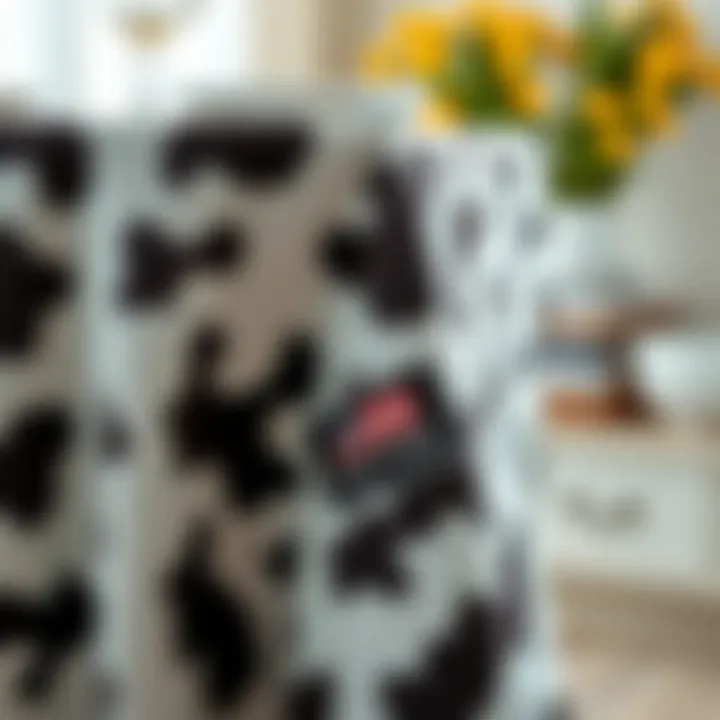
Patterns have always served as a means of expression in textiles. In particular, cow patterns have emerged as a favorite in eco-friendly designs, helping to highlight the importance of organic and sustainable materials. Why is this significant? First, the use of animal motifs like the cow design plays into our fascination with nature, prompting consumers to make choices that honor and reflect that relationship. Moreover, the production processes often involve reducing synthetic dyes and employing organic fibers, harkening back to traditional craftsmanship that prioritizes our environment.
When it comes to contemporary design, utilizing recognizable patterns allows artisans to convey messages about sustainability without overtly preaching. A cow pattern tablecloth can evoke nostalgic rural imagery, pushing the narrative of conscious consumption and organic living.
"Patterns, like nature, are infinitely beautiful and can inspire the choices we make in our everyday lives."
Promoting Conscious Consumption through Designs
Cow pattern tablecloths are not merely decorative; they play an integral role in promoting a lifestyle centered around conscious consumption. This concept often extends beyond just the aesthetics. Here’s how:
- Awareness: Featuring bold and memorable cow designs can pique interest in the sourcing of materials used. Many consumers begin to question where, how, and from what their products are made.
- Education: Brands committed to sustainability often accompany their products with educational information, helping consumers understand the benefits of choosing eco-friendly options. Consumers are more likely to buy products that tell a story — including the narrative of sustainability.
- Support for Local Artisans: By choosing cow pattern designs, consumers often find themselves supporting local artisans who prioritize environmentally sound methods in production. This creates a community around sustainable practices, fostering deeper connections between buyers and makers.
In essence, cow pattern tablecloths serve as a bridge between aesthetics and ethics. As the future beckons towards a more mindful and responsible approach to shopping, these tablecloths stand out as not just a decorative choice but a statement for change.
DIY Cow Pattern Tablecloth Projects
When it comes to home decor, DIY projects can add a personal touch that pre-made items often lack. Cow pattern tablecloths are not just a quirky element; they carry a sense of nostalgia and whimsy that can transform a dining area. This section dives into how to make your own cow pattern tablecloths, emphasizing creativity and individual expression through customized designs.
Creating Your Own Unique Design
A DIY cow pattern tablecloth can serve as a canvas for your artistic inclinations. Why settle for generic when you can craft something that resonates with your personality? The first step involves selecting a base fabric that can withstand wear and tear. Cotton or canvas is usually a great start as they're durable and easy to work with.
Next, gather resources for the cow pattern design. Fabric paints are a common choice, but stencils offer precision that can make your work stand out. You might want to sketch your cow spots on paper before transferring them to fabric to ensure the arrangement pleases your eye. Think of varying sizes and orientations to achieve a more organic look, imitating real cowhide.
Don’t forget to think about color—traditional black and white is classic, but introducing hues like chocolate brown or even pastel shades can give your tablecloth a modern twist. After you've perfected your design, allow it to fully dry and don’t forget to iron it to fix the paint.
Once you've finished, you’ve not just created a tablecloth; you’ve made a statement piece. A unique cow tablecloth is a conversation starter, turning an ordinary meal into an extraordinary experience.
Upcycling Existing Fabrics with Cow Patterns
Upcycling is a fantastic way to reimagine old textiles into something fresh and stylish. Instead of buying new fabrics, consider scouring your wardrobe or thrift stores for fabrics that can be adapted to the cow print aesthetic. For instance, an old white sheet or even a set of mismatched pillowcases can become a stunning tablecloth with a touch of creativity.
Here's how to approach this project:
- Materials Needed: Old fabrics, fabric paint or dye, brushes, and perhaps binding for finishing edges.
- Preparation: Wash and iron the fabric to eliminate any wrinkles. Make sure it's smooth for the painting process.
- Pattern Application: Using stencils or freehand techniques, apply cow spots with fabric paint. Alternatively, you can dye sections of the fabric to achieve varying shades—think ombre effects that mimic the natural colors of a cow's hide.
- Finishing Touches: Once you are satisfied with the design, allow your masterpiece to dry thoroughly. You might want to sew on a decorative edging or turn down the hem, giving it a polished look.
"Upcycling isn’t just green; it’s a thrilling way to express yourself while being eco-conscious."
These projects highlight creativity while allowing for sustainable practices. With every tablecloth, you create a piece that echoes your taste and commitment to conscious consumption—a perfect blend of style and substance.
End
In wrapping up our exploration of cow pattern tablecloths, it’s clear that these uniquely designed textiles offer more than just aesthetic appeal. Their combination of style and practical benefits speaks volumes about their relevance in contemporary decor and fashion.
The Enduring Appeal of Cow Patterns
Cow patterns possess an irresistible charm, much like a favorite well-worn jacket that brings a sense of comfort. They evoke a rustic yet chic vibe, which can complement various interior styles—be it a cozy farmhouse or a modern urban loft. The boldness of these patterns can effortlessly transform an ordinary setting into something that catches the eye and sparks conversation. The duality of traditional motifs meeting modern design is what keeps cow patterns in demand. For many, these tablecloths become a symbol not just of style, but of a lifestyle that appreciates both nature and craftsmanship.
Moreover, their versatility allows for integration into numerous settings, from casual family dinners to more elaborate gatherings. As such, they aren't just a flash in the pan; they have solidified a long-term position in the annals of design thinking. Many designers express enthusiasm to experiment further with cow motifs, suggesting a promising future ahead.
Future Trends in Tablecloth Design
Looking forward, it is likely that tablecloth design will embrace even more innovation while staying rooted in tradition. The rise of sustainability consciousness among consumers lingers in the background of design discussions. Moving away from mass-produced items, emerging trends may see a rise in handcrafted tablecloths featuring cow patterns made from ethical materials:
- Hand-dyed fabrics that celebrate artisanal techniques
- Recycled materials transformed into trendy table settings
- Digital printing technology that enables distinctive custom designs
As personal expression continues to flourish in home decor, future tablecloths will likely reflect individual tastes in more varied colors and layouts, pushing the envelope of conventional design.
Overall, cow pattern tablecloths are poised to remain a staple in fashion and design, blending history, culture, and modernity. Their enduring nature and potential for evolution makes them not just a decorative choice, but a thoughtful one.
Whether one is crafting a rustic dining experience or expressing a sense of personal flair in a contemporary setting, cow pattern tablecloths stand solidly as a choice that marries both style and substance.