Exploring the Benefits of Non-Slip Rubber Boots

Intro
In today's fast-paced world, where style and functionality often collide, non-slip rubber boots have emerged as a must-have accessory for both practicality and fashion. These boots are not just about keeping your feet dry; they offer cutting-edge innovations that make them a favorite among fashion enthusiasts and outdoor lovers alike. This exploration focuses on their various innovations, particularly emphasizing their design features, material choices, and applications in different environments.
In the realm of contemporary fashion, non-slip rubber boots play a pivotal role, as they blend seamlessly with current styles while providing unmatched safety and durability. With an increasing shift towards sustainability, it’s also essential to consider how these boots fit into the broader conversation about ethical production practices and eco-friendly materials. Moreover, as we dive deeper into care tips and styling options, readers will gain valuable insights into how to wear these boots to elevate their look while maintaining comfort.
Thus, this discussion is not merely about shoes; it’s about understanding how non-slip rubber boots are carving out a niche where functionality meets elegance.
Fashion Trends
As we stroll through the seasons, non-slip rubber boots have been steadily making waves in fashion circles. Their ability to transition from rainy outings to semi-casual gatherings is nothing short of remarkable.
Current Seasonal Trends
During the spring and autumn months, these boots are a staple, and designers are continuously pushing boundaries. Neutral colors like beige, grey, and black remain popular, yet vibrant shades such as deep green, bright red, or even metallics often pop up on the runway. This blend of classic and bold creates versatility that fashion enthusiasts appreciate. The material allows for standout designs that can incorporate patterns or even textures, catering to various aesthetic preferences.
Similarly, ankle-height boots are making a strong comeback, providing a sleek silhouette that pairs well with many outfits—from fitted jeans to flowy dresses. Consumers looking for stylish yet practical footwear have a wealth of options.
Influential Style Icons
Style icons and influencers have not turned a blind eye to the rise of non-slip rubber boots. Social media platforms are flooded with posts showcasing how these versatile footwear items are styled.
Individuals such as Rihanna and Gigi Hadid have been seen sporting them, which undoubtedly contributes to their popularity. These icons often pair them with fitted leggings or oversized coats, offering a roadmap for those keen on embracing this trend without sacrificing comfort for style.
It's apparent that the narrative around non-slip rubber boots is changing. They are no longer restricted to rugged utility; they are becoming synonymous with chic street style, creating a delightful fusion of aesthetics and practicality.
Sustainable Practices
As environmental consciousness rises, the demand for sustainable and ethical products also increases. Non-slip rubber boots are leading the charge, addressing concerns related to both material sourcing and manufacturing processes.
Eco-friendly Fabrics
The materials used in manufacturing non-slip rubber boots are evolving. Many brands are now opting for recycled rubber or natural latex derived from sustainable rubber tree plantations. These choices significantly reduce the carbon footprint associated with the production process.
Further, brands that focus on environmentally friendly practices often provide consumers with a product that is both pleasant to wear and responsible in its impact. This aligns perfectly with the growing trend of consumers seeking environmentally conscious alternatives, making buying decisions not just about the product but also about its impact.
Ethical Fashion Brands
Many brands embody ethical fashion principles by ensuring fair labor practices and sustainable methods of production. Companies like Hunter and Tretorn are recognized for their commitment to quality, environmental responsibility, and ethical manufacturing processes.
In today’s market, the presence of ethical fashion brands is becoming even more pronounced. They not only attract eco-conscious customers but also set a benchmark for other brands to follow, amplifying the shift towards sustainability in fashion.
"Fashion is about more than just looks; it’s about making choices that embody our values." - Unknown
For more information on the evolution of sustainable footwear, visit Wikipedia or Britannica.
Preamble to Non-Slip Rubber Boots
In the ever-evolving world of footwear, the role of non-slip rubber boots stands out distinctly, illustrating a blend of functionality and safety. These boots hold significant importance, especially given the myriad of environments in which their use is critical. From bustling kitchens to muddy construction sites, the inherent advantages of these boots go beyond mere protection against the elements; they also offer a safeguard against slips and falls, which can lead to severe injuries.
Many industries prioritize safety, and non-slip rubber boots function as a frontline defense against hazards. They are not just another option in the footwear market; they represent a growing need for enhanced safety protocols for workers and outdoor enthusiasts alike. This discussion around non-slip rubber boots isn't just about fashion; it’s crucial for ensuring that individuals remain upright and secure in their activities.
Additionally, as more consumers lean towards environmentally responsible choices, the production of non-slip rubber boots utilizing sustainable materials becomes relevant. The integration of eco-friendly practices in manufacturing speaks volumes about a brand's commitment to the planet, thus influencing purchasing decisions.
In summary, this exploration of non-slip rubber boots will delve into their unique materials, innovative designs, and practical uses, aiming to equip readers with a holistic understanding of their benefits in various settings. Non-slip rubber boots are indeed more than footgear; they embody a blend of safety, style, and sustainability, deserving our attention and consideration.
Material Composition of Non-Slip Rubber Boots
The material composition of non-slip rubber boots plays a crucial role in their functionality, durability, and overall performance. Understanding these materials can help consumers make informed choices about which boots to purchase. The unique combinations of rubber types, waterproof properties, and breathability considerations all come together to enhance the user experience, making these boots both practical and safe in diverse environments.
Types of Rubber Used
When it comes to non-slip rubber boots, the rubber type matters significantly. Manufacturers typically use a blend of natural and synthetic rubbers. For instance, natural rubber offers excellent elasticity and strength, making it a popular choice for footwear. On the other hand, synthetic rubbers, like nitrile or neoprene, provide superior resistance to chemicals and oils, which is essential for those working in industrial settings.
This blend allows for flexibility without compromising toughness. Vulcanized rubber, well-known for its durability, is often employed to ensure that the boots withstand wear over time. The choice of rubber not only affects performance but also impacts overall comfort, reflecting the careful thought that goes into materials selection.
Waterproof Properties
One of the standout features of non-slip rubber boots is their waterproofing capabilities. Ensuring dry feet is non-negotiable in many circumstances—be it gardening in muddy conditions or working near water in any capacity. The waterproof properties derive from the rubber's inherent characteristics but are enhanced further through composite materials and construction methods.
Many brands implement advanced sealing techniques that restrict water ingress while maintaining flexibility. For example, adding coatings or laminates can bolster these waterproof qualities. This advancement prevents moisture penetration while allowing the boots to remain comfortable and functional, ensuring no one has to contend with wet socks mid-task.
Breathability Considerations
Though non-slip rubber boots are predominantly celebrated for their waterproof nature, maintaining air circulation inside the boot is vital to prevent discomfort. Breathability is a crucial aspect of design and hinges on the materials and structure used. Some manufacturers incorporate permeable membranes, which allow moisture from sweat to escape while still preventing water from entering.
For instance, boots lined with moisture-wicking materials can create an optimal microclimate for the feet. The ability to keep feet breathable while ruggedly resisting the elements is a fine balance that showcases advanced engineering in non-slip rubber boots.
In summary, when choosing non-slip rubber boots, considering the materials used is paramount. High-quality rubber types, effective waterproofing methods, and thoughtful design around breathability ensure that these boots meet user needs across various applications. With this understanding of their composition, shoppers can feel more confident in their selections.
"Quality materials not only enhance performance but also pave the way for user satisfaction and safety."
By focusing on these key aspects, non-slip rubber boots stand out in the market, offering a blend of safety, comfort, and durability for a range of users.
Design Features That Enhance Slip Resistance
In everyday life, slips and falls can lead to serious injuries. Here lies the importance of design features that enhance slip resistance in non-slip rubber boots. These design elements are not merely aesthetic; they serve a crucial role in ensuring stability and safety for wearers. Manufacturers aim to incorporate features that not only enhance traction but also improve overall functionality in various environments.
Sole Patterns and Traction


When it comes to non-slip rubber boots, the sole pattern often makes or breaks the deal. Different designs—be they lug patterns or ribbed configurations—create varying levels of friction with surfaces. For instance, deep lugs can bite into mud or snow, providing reliable grip and reducing the likelihood of slipping. Conversely, a flat sole might slide across wet surfaces, nullifying the very purpose of these boots.
- Benefits of Optimal Sole Designs:
- Improved grip on wet or slippery surfaces.
- Enhanced stability when navigating uneven terrain.
- Reduced fatigue from constant adjustments to maintain balance.
Traction is not just about grooves; it’s about the material too. Higher-quality rubber compounds, like those used in brands such as Muck Boot or Bogs, offer improved friction and flexibility, adapting to diverse conditions that range from oily floors to muddy trails. Sole patterns are essential; it's simply a matter of finding the right balance between design and functionality.
Height and Ankle Support
Another vital consideration is the height and ankle support provided by a boot. A taller boot allows for better ankle stabilization, reducing the risk of twisting an ankle on uneven surfaces. It’s like adding another layer of protection.
- Stability Factors:
- Boot height: Taller designs lend support when navigating obstacles.
- Ankle support systems: Internal structures, like padded collars, keep the foot secure in the boot.
For professionals working in rugged conditions, a higher shaft can mean the difference between a safe day at work and an unexpected trip to the emergency room. Retail models from Kamik and Hytest provide multiple heights, catering to the individual needs of users, illustrating that functionality and safety can blend seamlessly.
Construction Techniques
The way these boots are built also impacts their slip-resistant properties. Manufacturers leverage advanced construction techniques which can significantly enhance performance. For example, molded soles help with seamless attachment, reducing vulnerabilities that stitched soles often encounter.
- Key Techniques to Note:
- Injection molding: This method ensures solid bonding at the sole and upper, leaving no weak points.
- Lining materials: Waterproof but breathable linings can keep feet dry, which contributes to better footing since moisture can lead to slipping.
By exploring construction technology such as over-molding or heat-weld bonding, a manufacturer can produce boots that not only resist slip but also increase durability and user satisfaction. If you have your eye over brands like Red Wing or Sorel, pay attention to how they implement these methods in their boot lines.
"Effective design features provide not just reliance, but show how thoughtfully engineered boots can elevate safety and performance in the real world."
To sum up, the design features that enhance slip resistance are integral in making non-slip rubber boots effective. From the unique sole patterns to robust construction techniques, every detail counts towards ensuring that wearers remain both safe and stylish, whether trudging through a muddy garden or working in a bustling kitchen.
Applications of Non-Slip Rubber Boots
When it comes to footwear that merges protectiveness with functionality, non-slip rubber boots stand tall. The various applications of these boots highlight just how versatile they can be in everyday life. Whether it’s on a factory floor, during outdoor escapades, or in high-stakes rescue situations, non-slip rubber boots prove invaluable.
Work Environments
In industrial settings, safety is non-negotiable. Non-slip rubber boots are tailored specifically to meet the demands of work environments, particularly those where moisture and slippery surfaces are part of the daily grind. Think about construction sites, factories, or even kitchens—having footing that holds firm is like having a safety net.
The soles of these boots often feature specialized tread patterns that grip multiple surfaces, ensuring that workers remain upright and reduce the likelihood of accidents. This becomes all the more vital when hazardous conditions exist, such as wet floors or uneven terrain. Additionally, these boots typically provide a layer of insulation against electrical risks and chemicals, making them a wise choice for professions that encounter such dangers.
"Wearing non-slip rubber boots at work isn't just about comfort; it's about safety and efficiency in every step."
Outdoor Activities
For enthusiasts who thrive in the great outdoors, non-slip rubber boots are a game changer. They offer the perfect balance between ruggedness and comfort, making them ideal companions for hiking, fishing, or farming. When venturing across muddy trails or slippery riverbanks, having appropriate footwear can make a world of difference.
The flexibility that these boots provide complements their protective qualities, allowing outdoor lovers to engage deeply with nature without the fear of losing their footing. They are also designed to be breathable while still maintaining waterproof characteristics. This is crucial for activities that might catch individuals in wet conditions, ensuring that no one has to brave soggy socks on an adventure.
Emergency and Rescue Operations
In scenarios where every second matters, non-slip rubber boots are essential gear for first responders. Emergency and rescue operations frequently occur in gritty conditions, where the risk of slipping is heightened. These boots are crafted to ensure maximum stability, enabling personnel to perform their duties without trepidation.
The ability to traverse through unpredictable terrains—be it floodwaters, mudslides, or even snow—while maintaining grip can save lives, both for the rescuer and the individual in distress. Alongside their slip-resistant properties, many models offer puncture-resistant features, making them formidable tools for those brave enough to face emergencies head-on.
In summary, the applications of non-slip rubber boots span various domains, each benefitting from the unique innovations that these boots provide. Their design not only ensures safety but encourages optimal performance, whether that’s in everyday work or high-stress situations. With a thoughtful choice in footwear, you set the stage for success and security in every step.
Health and Safety Benefits
The role of health and safety in any profession or activity is paramount, and non-slip rubber boots serve as a crucial shield in various scenarios. Not only do these boots offer protection against environmental hazards, but they also enhance overall well-being through specific features tailored to minimize risks. Understanding these benefits can influence the choices consumers make and ultimately lead to improved safety standards in numerous settings.
Preventing Slips and Falls
Slips and falls can happen in a blink of an eye, and they can bring about serious injuries that affect one’s daily life. Non-slip rubber boots tackle this head-on by incorporating innovative sole designs that maximize traction. The patterns on the soles are typically designed with various grooves and textures to grip surfaces, reducing the likelihood of slipping on wet or oily floors.
- Enhanced Grip: Many models feature soles composed of specialized rubber that adapts to different floor types, whether it's slippery tile or uneven terrains.
- Stability: The structural design of the boots often includes wider soles that provide better stability, making it easier for wearers to maintain their footing.
"The best shoe is not just about style; it’s about safety too!"
By opting for non-slip rubber boots, individuals can significantly reduce their chances of accidents that could potentially lead to long-term health issues.
Reducing Fatigue
For those required to be on their feet for long periods—like workers in warehouses or healthcare settings—comfort is non-negotiable. Non-slip rubber boots are frequently equipped with cushioning and support features that alleviate foot strain. This contributes to overall fatigue reduction, allowing wearers to stay productive throughout the day.
- Arch Support: Many designs include contoured footbeds that support the arches, which can be perfect for people who spend hours walking or standing.
- Shock Absorption: The rubber materials often have built-in shock-absorbing qualities that minimize impact when walking on hard surfaces.
Those who prioritize comfort often report that they feel less drained and can perform their tasks more effectively, paving the way for a healthier, more fulfilling lifestyle.
Protecting Against Hazardous Materials
In work environments such as construction sites, laboratories, or kitchens, exposure to harmful substances is a real concern. Non-slip rubber boots frequently come equipped with protective features that combat this risk.
- Chemical Resistance: Many boots are crafted from materials that resist corrosive substances, offering greater safety in situations where spills might occur.
- Waterproofing: The waterproof nature of these boots not only keeps feet dry but also protects against harmful contaminants that might be present in various environments.
Using non-slip rubber boots is an effective way to create a protective barrier against hazardous materials that can lead to health complications, keeping feet safe and ensuring that individuals stay focused on their work rather than worrying about their safety.
Durability and Longevity of Non-Slip Rubber Boots
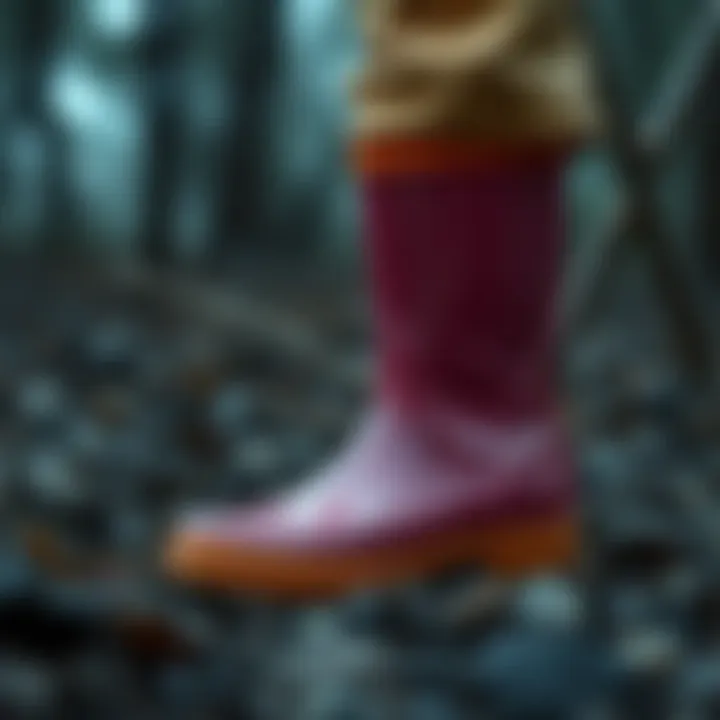
When choosing footwear, especially non-slip rubber boots, it's imperative to pay attention to durability and longevity. These traits significantly contribute to the user experience, ensuring not only that the boots are a viable investment but also that they uphold their purpose in varying conditions. For individuals who work in challenging environments or partake in outdoor activities, the reliability of these boots can make all the difference in both safety and comfort.
Wear and Tear Resistant Features
One notable feature that sets non-slip rubber boots apart is their resistance to wear and tear. Quality rubber compounds are designed to withstand rigorous usage. For instance, the soles are often reinforced with specialized materials that absorb shock and resist punctures. These soles usually have a thicker gauge, providing added protection against daily abrasions, whether you're trudging through mud or navigating rocky terrains.
In addition, many manufacturers incorporate cushioning or added layers that bolster strength against typical degrading factors. A good example is Vibram outsoles, known for enhancing durability and grip, which can be critical when working on slippery or uneven surfaces. These design choices contribute not only to the longevity of the boots but also to user safety, giving wearers peace of mind in their movements.
"A well-crafted boot can endure the test of time, offering both safety and reliability."
Maintenance and Care
While non-slip rubber boots are built for durability, maintaining them is essential for extending their lifespan. Regular cleaning is a must. After each use, it's effective to rinse off mud or dirt and allow them to air dry in a shaded area. Harsh chemicals or abrasive cleaners should be avoided, as they can compromise the rubber’s integrity.
It's also wise to periodically check for cracks or splits. Minor damages, if left unchecked, can worsen and lead to more significant problems. For those who might neglect or forget the maintenance routine, setting reminders or developing a schedule can be helpful.
Another aspect of care involves storing the boots correctly. Keeping them in a cool, dry place protects them from unnecessary deterioration caused by moisture or extreme temperatures. Consider rotating your boots, if possible, to allow one pair to rest while you wear another. This simple practice can significantly boost their longevity, ensuring they remain ready for action when you need them the most.
Sustainability Considerations
When discussing non-slip rubber boots, a crucial aspect that should not be brushed aside is sustainability. As more and more consumers lean towards environmentally aware choices, it's vital to consider how these boots are produced and what implications their manufacturing has on the planet. The narrative around sustainability is not merely a marketing strategy; it embodies ethical production and responsible consumerism.
Eco-friendly Manufacturing Processes
One of the key innovations within the realm of non-slip rubber boots is the shift towards eco-friendly manufacturing processes. Companies are increasingly adopting methods that minimize environmental impact. For instance, some brands have switched to using water-based adhesives instead of traditional solvents, which can be harmful to both the environment and human health. Additionally, production techniques aiming to reduce energy consumption are becoming more common. This shift not only decreases the carbon footprint associated with boot production but also often leads to a longer product life—meaning fewer boots go to waste. Some manufacturers even utilize renewable energy sources, like solar or wind, further enhancing their sustainability credentials.
The journey towards sustainable footwear is not merely a trend but rather a necessary evolution in our approach to fashion and functionality.
Material Sourcing
When it comes to sustainability, the sourcing of materials is another significant facet to consider. Non-slip rubber boots today are being crafted from a variety of materials, aimed at ensuring that the ecological impact is minimal. Brands are often opting for natural rubber, which comes from rubber trees and is biodegradable, as opposed to synthetic options derived from petroleum.
Moreover, there is a notable move towards ethical sourcing practices. This involves more than just ensuring that materials are environmentally friendly; it's also about making sure that the sourcing process supports fair labor practices. Companies that engage in this practice not only contribute positively to the environment but also uplift the communities involved in the production process, thereby aligning sustainability with social responsibility.
Style and Fashion Aspects
The relevance of style and fashion in the realm of non-slip rubber boots cannot be ignored, especially as consumer preferences continue to evolve. Today’s market sees a more discerning consumer base that seeks not only functionality but also aesthetics when selecting footwear. Rubber boots once held a reputation for being purely utilitarian, often lacking in visual appeal. However, innovations in style have transformed them into a fashion statement acceptable in various social settings.
Variety in Design
There’s no one-size-fits-all when it comes to rubber boots, and that's a tremendous plus for consumers. Various designs exist that cater to different tastes and functionalities. From classic solid colors to vibrant patterns, the choices are plentiful. Some popular designs include:
- Animal prints: Such as leopard or snakeskin add an element of wildness and fun.
- Floral patterns: Ideal for those with a love for nature, they can be paired seamlessly with summer dresses.
- Metallic finishes: Offer a unique twist, bringing a hint of glam to a normally rugged piece.
These designs can suit a range of environments, whether it’s a muddy field, a cozy cafe, or a stylish outdoor festival. More than just functionality, companies are adopting chic silhouettes that can make a bold statement. For example, knee-high models provide a sleek profile, making them suitable for various occasions.
How to Pair with Outfits
Pairing rubber boots with outfits requires a bit of creativity, yet the versatility they offer is unparalleled. Here are a couple strategies to keep in mind:
- Casual Everyday Look: Pair patterned rubber boots with slim jeans or leggings and an oversized sweater. This not only emphasizes comfort but also adds a trendy look. It’s a perfect outfit for a day out in nature or running errands.
- Smart Casual Outfit: For a smarter ensemble, consider matching solid-colored boots with tailored trousers and a fitted blazer. This blend of styles can create a sophisticated yet practical look suitable for both the workplace and social gatherings.
- Play with Accessories: Accessories such as scarves, hats, and bags can enhance your overall look. A brightly colored bag can make a set of neutral rubber boots pop.
- Seasonal Considerations: In the fall, combining boots with tights and a stylish dress lends an elegant edge, while in summer, pairing with shorts can yield a casual, breezy outfit.
"Fashion is about something that comes from within you." – Ralph Lauren. The right pair of rubber boots can reflect personality while providing necessary safety and comfort.
Understanding how to incorporate both style and fashion into the use of non-slip rubber boots can elevate an ordinary look into something remarkable. With a plethora of choices available, consumers can express themselves while enjoying the safety and durability that these boots provide.
Comparison with Other Footwear Options
In today’s bustling world, where every step counts, choosing the right footwear isn’t an afterthought. Among the myriad of options out there, non-slip rubber boots stand out, but how do they stack up against the competition? Understanding the nuances between different types of footwear options can guide consumers in making informed decisions, especially when safety and functionality are paramount.
Rubber Boots vs. Traditional Boots
When it comes to rubber boots, a few distinct characteristics highlight their advantages over traditional boots. Traditional boots may be made of leather or synthetic materials, primed for casual settings and style but often fall short in less forgiving environments. Here are some points that differentiate them:
- Materials: While traditional boots often utilize leather, which can soak up water, non-slip rubber boots are designed primarily to repel moisture. This is an advantage in damp conditions, making rubber boots a go-to for farm work or wet terrains.
- Traction: The slip-resistant properties in rubber boots provide superior grip compared to regular boots. This is crucial for people who work in industries where spills are common or where surfaces tend to be slick.
- Ease of Cleaning: Rubber boots can be cleaned easily compared to some traditional styles. A quick rinse usually suffices, while traditional boots might require more diligent care to keep them looking pristine.
However, traditional boots do bring their own flair:
- Style Versatility: Traditional boots can be more stylish and better suited for various casual or semi-formal occasions. A nice pair of leather boots can elevate an outfit more than a pair of rubber ones.
- Foot Support: Some traditional styles, particularly those designed for hiking or trekking, may provide better arch support and cushioning, making them a comfortable option for prolonged wear outdoors.
Ultimately, it boils down to one’s specific needs and settings. Are you trudging through mud or skirts in an urban garden? Here, rubber boots will likely do the trick.
Assessment of Slip-Resistant Alternatives
With the growing emphasis on safety, there’s a burgeoning market for footwear that promises slip resistance. While non-slip rubber boots are a heartening frontrunner, it's valuable to take a broader lens and assess other promising alternatives. Here are some popular options and their key features:
- Athletic Shoes: Designed for agility and comfort, many athletic shoes come with slip-resistant soles. However, they often lack water resistance, so while they might treat you well during a jog, they could falter in muddy or wet environments.
- Safety Shoes: Often used in industrial settings, these shoes are built for durability and slip resistance. They combine materials like steel toe with slip-resistant outsoles. Yet, despite their safety features, they might not compete on style or comfort level if work isn’t needing such rigors.
- Outdoor Boots: Designed for hiking or rugged terrains, these boots offer solid grip due to advanced tread designs. However, in extreme wet conditions, they might not perform as effectively as rubber options.
Key Point: Non-slip rubber boots offer specialized advantages in wet or hazardous environments, providing safety and durability that many traditional options may not match.
Consumer Insights and Choices
Consumer insights play a vital role in the footwear market, especially in the realm of non-slip rubber boots. Understanding what consumers are looking for—not just in terms of aesthetics but also functionality—can make or break a brand's standing. As fashion enthusiasts and practical users alike seek footwear that serves dual purposes, insights into purchasing choices become invaluable.
What to Look for When Purchasing
When considering the purchase of non-slip rubber boots, several key factors come into play. Fit is crucial; a boot that doesn’t fit well can lead to discomfort, causing the very issues you’re trying to avoid. Look for boots that offer a snug fit around the ankle while still providing enough room in the toe box. This can often save you from blisters and soreness during longer wear.
- Material Quality: Inspect the rubber quality. Premium rubber is not only more durable but also provides better slip resistance. Cheap rubber can wear down quickly, especially in wet conditions.
- Grip and Sole Design: The pattern on the sole matters a lot. Take a gander at the traction patterns. Deeper treads can offer better grip on slippery surfaces.
- Waterproof Features: Not all rubber boots promise to keep your feet dry. It’s essential to check if the seams are sealed to enhance waterproofing.
- Breathability: You'd want boots that allow your feet to breathe. Look for options that incorporate mesh panels or moisture-wicking linings.


Evaluating Brand Claims
In a saturated marketplace, many brands assert their superiority with extravagant claims. Thus, assessing these statements critically is essential for making a well-informed choice. Research and reviews from other consumers can be particularly revealing. One should check platforms like Reddit or dedicated footwear forums where honest opinions are shared.
"Always read the fine print. Brands can often make grand claims about slip resistance or comfort levels that just don't meet reality."
Here’s a quick list of what to do:
- Check Certifications: See if the boots comply with safety regulations relevant to slip resistance and waterproofing.
- Read Independent Reviews: Consulting multiple sources can provide a balanced perspective. Websites like Consumer Reports offer unbiased assessments of footwear.
- Test Out the Fit in Store: If possible, try on the boots before you buy. Walking around can reveal a lot about comfort levels.
Ultimately, consumer insights guide us toward the best purchasing decisions, steering clear of brands that overpromise and underdeliver. The modern buyer is savvy; they weigh factors like durability, safety features, and brand reputation before making a choice. Understanding these aspects is crucial not just for personal satisfaction but also for ensuring you’re getting value for your hard-earned money.
The Future of Non-Slip Rubber Boots
The future of non-slip rubber boots is an intriguing subject that resonates with fashion enthusiasts, designers, and consumers. As we step further into an era where technology and sustainability are at the forefront, it is essential to consider how these boots will evolve. Innovations in materials, manufacturing processes, and design will intricately shape the next generation of footwear. This exploration not only highlights upcoming trends but also emphasizes the significant role that these innovations play in enhancing safety and comfort in our everyday lives.
Innovations in Footwear Technology
As technology advances, so does the potential for non-slip rubber boots to become more efficient and stylish. For example, the introduction of smart materials can lead to boots that adjust their grip in response to different terrains. Imagine a sole that softens on slippery surfaces and hardens on dry ground for increased traction.
Nanotechnology is also breaking ground, allowing for features such as self-cleaning materials. Boots could repel dirt and moisture, meaning less maintenance for wearers. This is essential for those who venture into muddy environments or work in wet conditions but detest the constant battle against grime.
Moreover, integrating breathable membranes into the design can elevate comfort — think of pleasantly dry feet even after hours of use. Several companies are already incorporating such innovations, and as competition heats up, we can expect a rapid acceleration of these advancements in non-slip footwear.
Potential Market Trends
In tandem with these technological advancements, market trends are shifting in fascinating ways. One undeniable trend is the increased consumer demand for sustainable products. Many buyers today are making choices guided by their commitment to environmental responsibility. Non-slip rubber boots that are produced with eco-friendly materials or that utilize processes aimed at reducing waste are poised to capture greater market share.
Additionally, the growing prevalence of the outdoor lifestyle cannot be ignored. With more individuals engaging in various outdoor activities — from hiking to gardening — the need for durable, stylish, and functional footwear is paramount. As a result, non-slip rubber boots will likely see diversification in design to cater not just to traditional work environments, but also to leisure and lifestyle markets.
"The footwear industry is adapting to the preferences of a more environmentally conscious consumer base, and non-slip rubber boots are at the heart of this transition."
In a nutshell, the future of non-slip rubber boots looks bright. By marrying cutting-edge technology with a keen sensitivity to market shifts, manufacturers can create products that not only meet functional needs but also reflect modern values and aesthetic preferences.
User Testimonials and Experiences
The realm of non-slip rubber boots extends beyond mere specifications and technicalities. User testimonials and experiences provide a vital insight into how these boots truly perform in real-world scenarios. When it comes to choosing footwear that's both functional and stylish, knowing what actual users think can make a world of difference. This section delves into how authentic feedback shapes consumer decisions and highlights the kind of benefits that come from personal stories.
Case Studies from Different Professions
To truly grasp the value of non-slip rubber boots, it helps to look at specific professions where they play a crucial role. For instance, take a chef working in a bustling kitchen. Maria, a professional chef, recounts her experience with non-slip rubber boots while juggling hot pots and slippery floors. She emphasizes, "These boots are not just about keeping me safe; they allow me to focus on my craft without worrying about a tumble." This sentiment is echoed across various fields:
- Healthcare Workers: Many nurses and hospital staff rely on these boots to navigate often harrowing environments. John, an emergency room nurse, shared that his boots have saved him from numerous slips during hectic shifts, providing both comfort and agility.
- Construction Workers: On construction sites, safety is paramount. Sam, an engineer, mentioned that wearing high-quality non-slip boots has become a standard in his team, helping prevent accidents even on muddy or oily surfaces.
- Agricultural Workers: Anne, a farmer, expressed that wet weather is a constant challenge. With her non-slip boots, she feels secure when moving through puddles or muddy fields, allowing her to focus on her tasks without impediment.
These case studies underscore the boots' performance, demonstrating their utility across various settings.
Always Consider Personal Preferences
While user testimonials offer valuable insights, it's essential to recognize that footwear is a deeply personal choice. What works for one may not work for another, thus recognizing individual preferences is key when choosing the right pair of non-slip rubber boots. Consider the following:
- Fit and Comfort: Some buyers prioritize a snug fit for maximum support, while others may favor a looser design for breathability. Always try on boots to ensure comfort, as this aspect can significantly influence safety and effectiveness.
- Style and Aesthetic: Fashion enthusiasts might lean towards boots that align with their personal style. The diverse range of designs available means you don’t have to sacrifice look for functionality.
- Purpose of Use: The context in which boots will be worn can heavily influence choice. Casual gardeners might opt for more stylish options, while industrial workers will need rugged, function-driven designs.
It’s also useful to interact with online communities, like those on reddit.com, where users frequently share their experiences and preferences. Engaging in discussions can uncover which brands and styles truly stand out in the market.
As such, it's wise to consider both the qualities described by users and your own specific needs. Understanding these perspectives allows for a well-rounded decision that not only meets safety standards but also aligns with personal taste.
Regulatory Standards and Compliance
In the realm of non-slip rubber boots, understanding regulatory standards and compliance isn't just a mere formality—it's absolutely crucial. These guidelines ensure that the footwear meets safety, quality, and performance benchmarks that protect users in various environments. When one considers the myriad conditions these boots endure—from slick factory floors to muddy hiking trails—it's evident how vital these regulations are.
Safety Regulations
Safety regulations pertain to the set rules and requirements that footwear manufacturers must adhere to, ensuring their products provide a certain level of protection against hazards. For non-slip rubber boots, this can include slip-resistance testing, which evaluates the tread design and material properties under different conditions. Specific standards, such as those outlined by ANSI (American National Standards Institute) or ASTM (American Society for Testing and Materials), help consumers determine whether the boots they've chosen can withstand the rigors of their intended use.
Moreover, these regulations often dictate that boots must be made from materials that are free from harmful substances. Adhering to such standards not only enhances user safety but also protects the environmental integrity of the production process. For instance, certain guidelines restrict the use of toxic chemicals in rubber compounding, ensuring that non-slip products are not just safe for the wearer but also environmentally friendly. This alignment with safety regulations provides both peace of mind and assurance of quality, allowing consumers to make informed choices and reduce the risk of accidents at work or play.
Quality Certifications
Quality certifications serve as a benchmark for consumers, offering a reliable assurance that a particular product has undergone rigorous testing and met specific industry standards. In the context of non-slip rubber boots, certifications from reputable agencies signify that the boots are not only durable but also perform as claimed. For example, boots that display the CE mark have been vetted by European health, safety, and environmental protection standards, indicating they’re safe for wear in various settings.
When choosing non-slip rubber boots, look for specific certifications that validate the quality. Here are some notable ones to keep in mind:
- ISO 9001: This certification relates to maintaining quality management systems within the manufacturing processes, suggesting consistent product output.
- ASTM F2913: This is a recognized slip-resistance test that many footwear manufacturers rely on to ensure their products can handle various surfaces.
- ASTM F2413: This standard covers performance requirements for protective footwear, relevant for boots designed for hazardous working conditions.
Having these quality certifications not only assures users they are investing in a reliable product but also helps manufacturers stand out in a competitive market. By focusing on regulatory compliance, both wearers and producers can contribute to a safer, more responsible footwear landscape.
By adhering to established safety regulations and maintaining quality certifications, manufacturers of non-slip rubber boots cultivate trust within their customer base, reassuring them that safety and performance are top priorities.
Finale and Recommendations
Drawing from the extensive discourse around non-slip rubber boots, it's vividly clear how vital they are for anyone seeking safety without forgoing style. As we’ve explored through various sections of this article, the innovations in design and material usage position these boots at the forefront of both functionality and fashion. Essential particularly in slippery environments, these boots are a safeguard against accidents while also adapting to diverse settings. Whether you’re a professional working in rugged conditions or an outdoor enthusiast, selecting the right non-slip rubber boots can enhance your experience significantly, making it imperative to understand key benefits and thoughtful selection criteria.
Summarizing Key Benefits
- Enhanced Safety: The specialized soles are designed to maximize grip, a much-needed feature when navigating slippery surfaces. This alone diminishes the chances of slips and falls, which is crucial in several workplaces like kitchens, construction sites, or even leisure areas.
- Durability and Longevity: Unlike standard footwear, non-slip rubber boots are made to withstand wear and tear, extending beneficial life cycles while reducing material waste. Opting for high-quality boots can save you both money and time in the long run.
- Comfort: Various models incorporate features like cushioned insoles and breathable materials, providing comfort even throughout prolonged wear. This can significantly reduce fatigue during long shifts or hiking expeditions.
- Fashion Versatility: Gone are the days when utility ruled over aesthetics. Many brands are weaving style into their non-slip designs, allowing wearers to seamlessly transition from functional needs to chic urban attire.
- Eco-Friendly Options: Awareness of sustainability has led to eco-conscious brands creating rubber boots that feature recycled materials and sustainable production methods, appealing to the environmentally aware consumer.
Understanding these advantages prepares potential buyers to make informed decisions that will not only meet their functional needs but also resonate with their lifestyle choices.
Final Thoughts on Selection
When selecting non-slip rubber boots, personal preferences should guide your choice heavily. Consider factors such as:
- Fit and Comfort: Ensure the boots fit well without being too tight or too loose. A snug fit can contribute to better stability while walking.
- Environment of Use: Think about where you’ll be wearing the boots. Different soles and materials are designed for different terrains and activities, so pick accordingly.
- Design: As fashion plays an increasingly significant role, selecting a design that suits your personal style can also enhance the joy of purchase.
- Brand Reputation: Researching various brands can also help. Reviews from professionals or fellow consumers can provide insights into the longevity and effectiveness of the boots.
Choosing the right pair demands thoughtful consideration of both user needs and prevailing market offerings. By keeping these key aspects in mind, you can find the non-slip rubber boots that not only promise safety but also align well with your personal flair.